This follows on from the first blog post
Arriving in Helsinki felt a little like stepping into a northern version of Canberra—calm, clean, and not overwhelmingly busy. The weather was milder than I expected (12°C in the morning and 18°C in the afternoon), with just enough crispness in the air to remind me I was in northern Europe.
Jet lag hit me hard after arriving early in the morning, but I didn’t want to waste my day. I’d booked a private room at the Yard Hostel for the night before, which allowed me to go straight in after a long flight rather than waiting for the usual 3 pm check-in—a small detail that made a big difference.
After settling in and having a nap, I joined a walking tour that started at 11 am, the perfect way to get my bearings without overdoing it. The tour covered the main sights: Market Square buzzing with locals, the elegant University Library, and the South Harbour (Eteläsatama), which sits opposite the President’s office. Along the way, I tried Fazer chocolate—an absolute must-try in Finland.
After the tour, I meandered back to the hostel. It was quiet, comfortable, and offered enough social interaction to meet some great people, but without being overwhelming. Later that evening, a few of us went out for drinks, and to my surprise, I even found Saigon beer in a Helsinki bar.
One of the highlights for me was visiting Oodi Helsinki Central Library, the city’s striking new “living room.” It’s not just a library—it’s a community hub. The building is divided into different levels: an open, light-filled “book heaven” on the top floor, and in between, a mix of spaces you can reserve—meeting rooms, group work areas, recording studios, video gaming rooms, even maker spaces. If you’re interested in urban design, creative spaces, or just seeing something unique, it’s worth a visit.
Helsinki shows how libraries can evolve into cultural and social anchors for a city, while also being completely free to access.
Like Canberra, Helsinki is a capital city without the frantic pace of a global metropolis. With around 680,000 residents (and over a million in the metro area), it still feels approachable and easy to navigate. The trains to and from the airport were fast, clean, and reliable—exactly how public transport should be. And while Finland isn’t cheap, Helsinki felt more affordable than many other European cities, and even the airport was a breeze.
Helsinki Airport impressed me straight away. Despite being far larger than Canberra’s, it was calm, logical, and quick to navigate. Automated bag drops worked perfectly (Sydney airport take note), and the whole process felt seamless—just what you want when jet-lagged and eager to get on with your trip.
Later that afternoon, I flew Finnair economy to Milan. Like all my Finnair flights, the crew were excellent—friendly, efficient, and professional. The flight wasn’t full, so I had extra space, and while there was no seatback entertainment, my iPad kept me perfectly content. For a three-hour hop, the meal service was more than adequate, and the whole experience felt relaxed and easy.
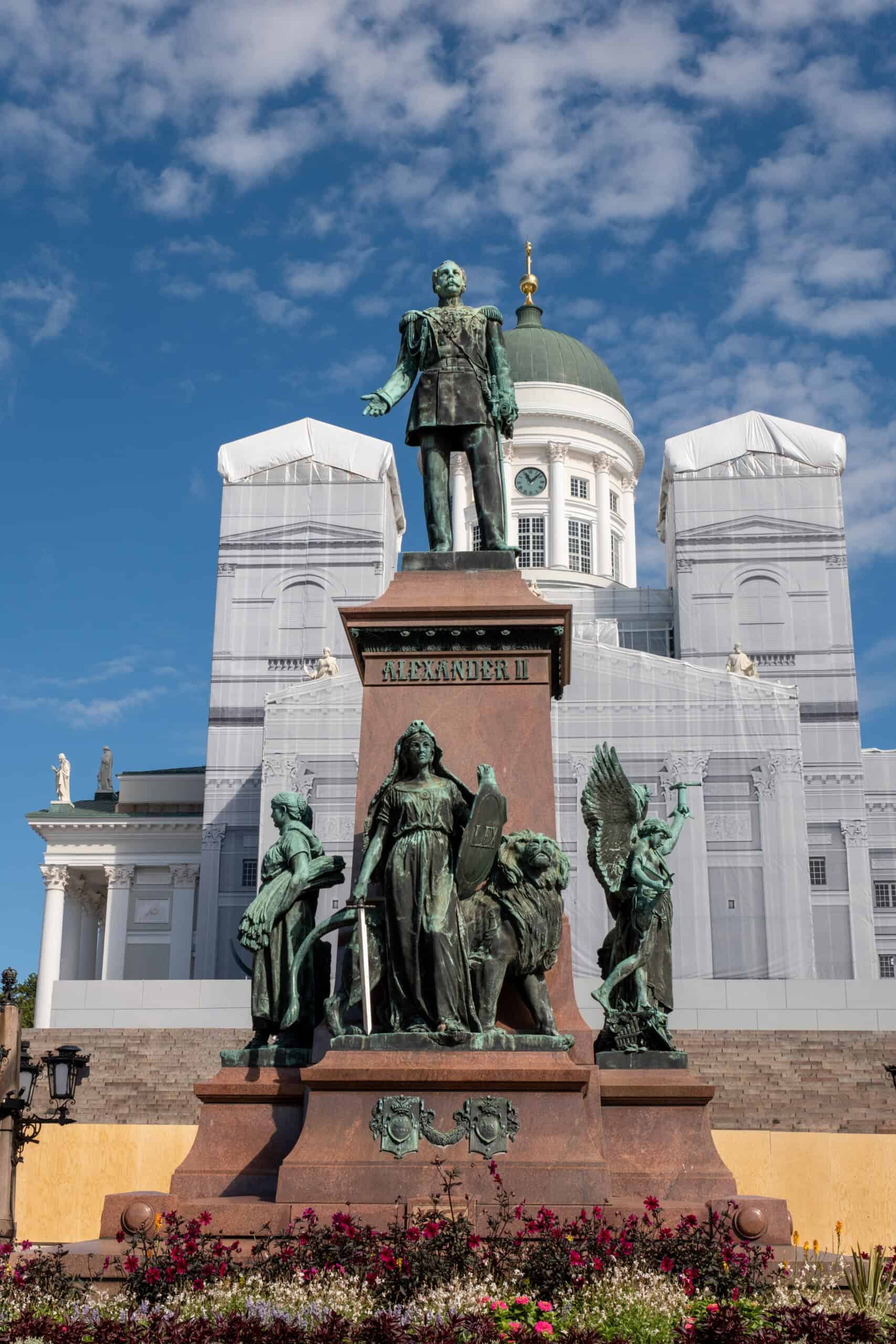
Alexander II statue in Senate Square, Helsinki
Milan
Arriving in Milan in the evening, the heat hit me immediately. Temperatures hovered around 40°C, which felt brutal after leaving Finland behind. I’d booked a hostel near the Duomo, thinking the location would be convenient, but the reality was different. The hostel was massive, and while the people were friendly, the dorms had broken lockers, and I quickly realised that dorm-style hostels aren’t my thing anymore.
After one night, I upgraded to a hotel, and the difference was immediate and needed. Milan isn’t cheap, which is why I booked the hostel in the first place.
The city itself was a mix of charm and challenge. Graffiti was everywhere—not the creative street art kind, just ugly tags and overflowing dumpster bins—and ongoing construction around the Duomo made walking confusing at times.
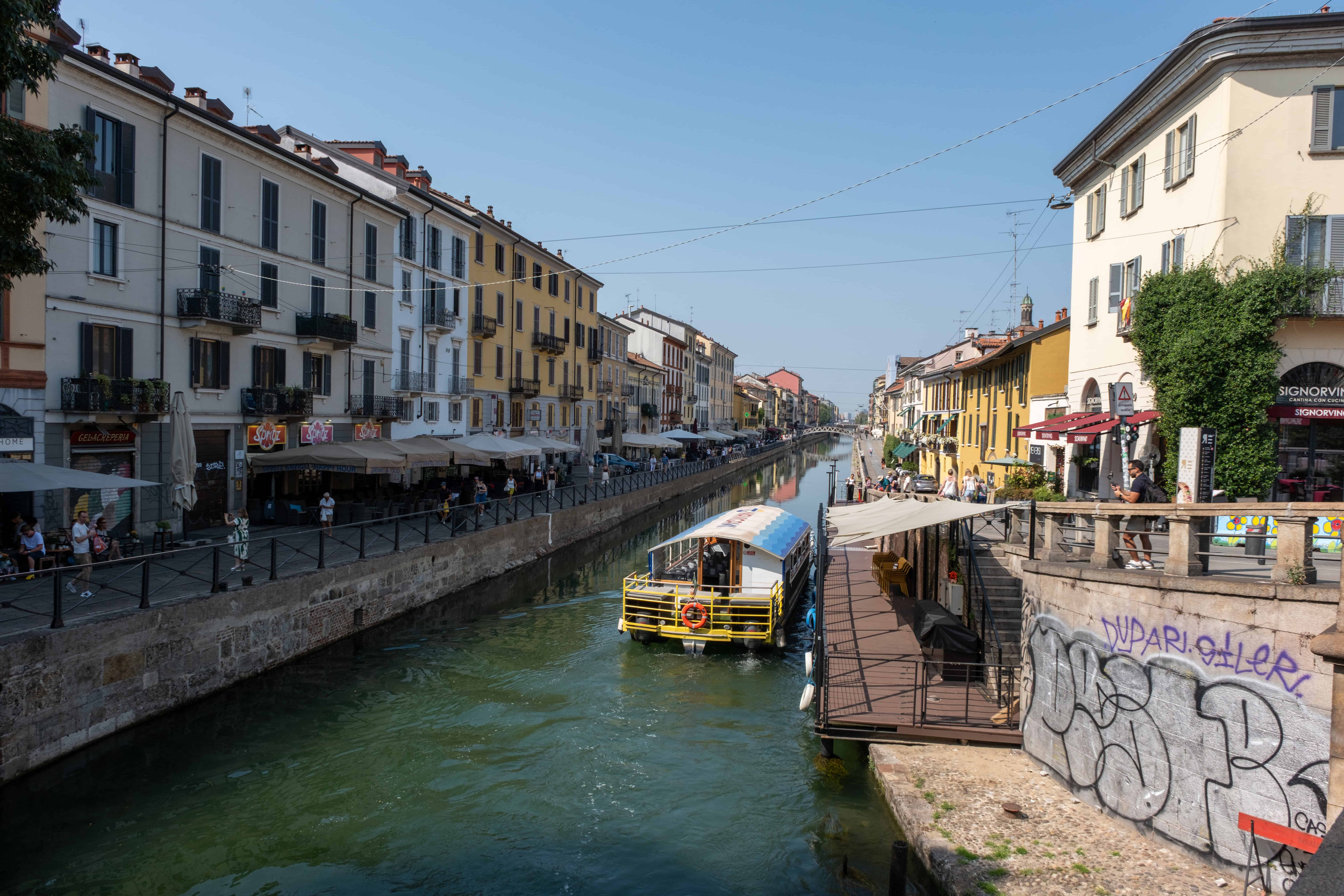
Graffiti
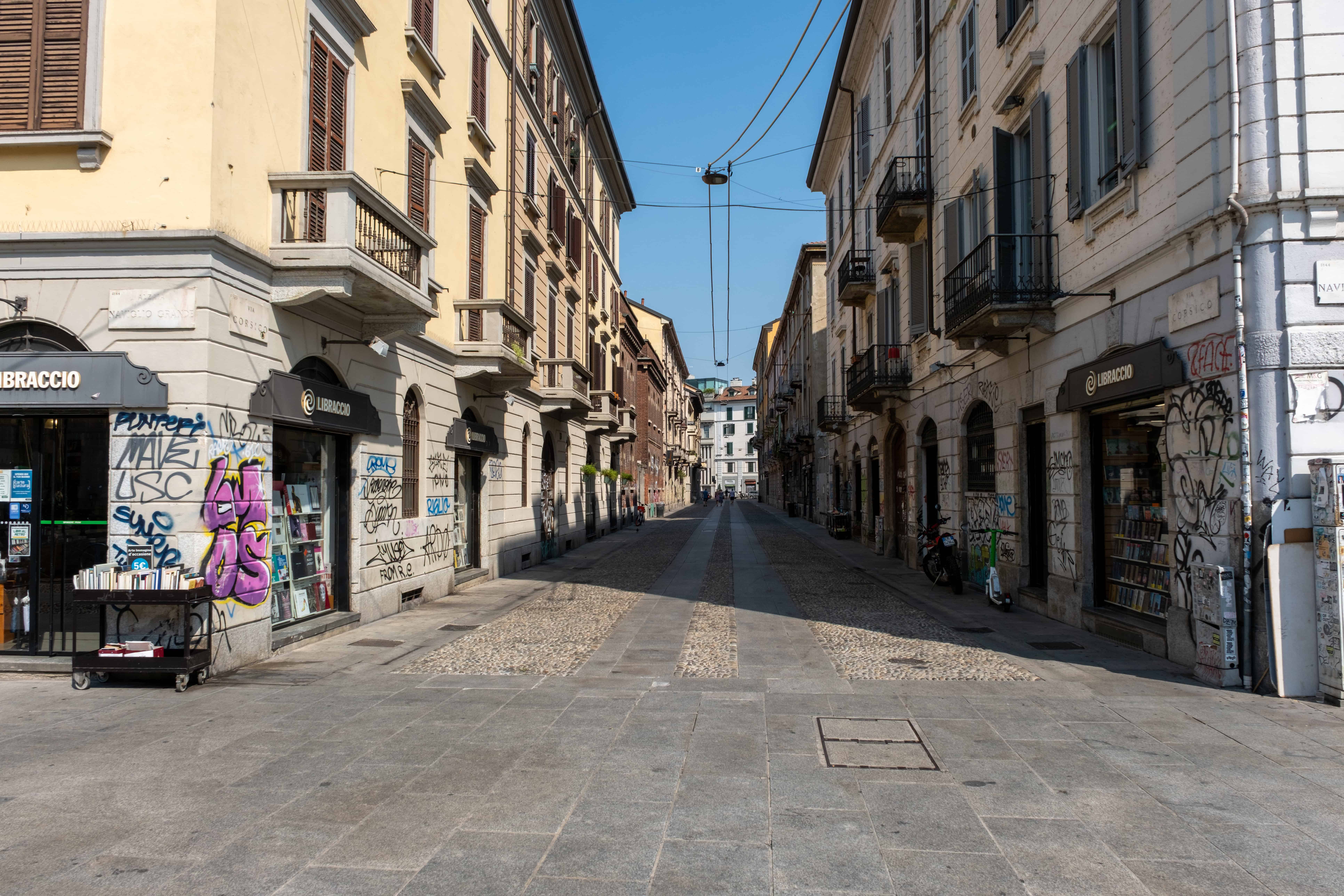
Graffiti
But the highlight of Milan for me was the Vintage Tour Milano.
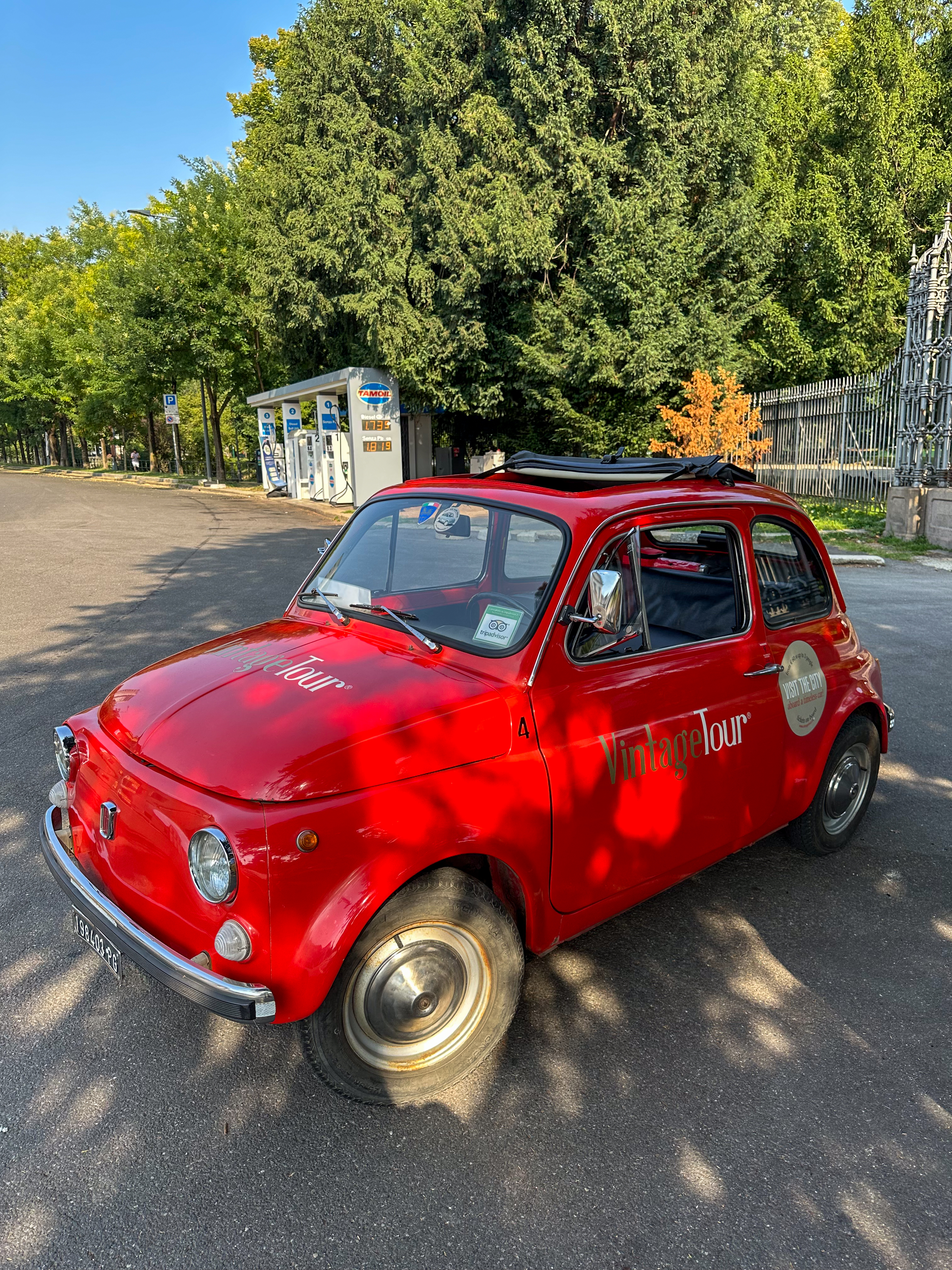
If you’re looking for something different during your visit, this is it. My guide was passionate about his city and fleet of little red cars, and the 1971 Fiat 500 we drove (#4) was a delight. No seatbelts, no air conditioning, and the back seats were more decorative than functional—but that was part of the charm.
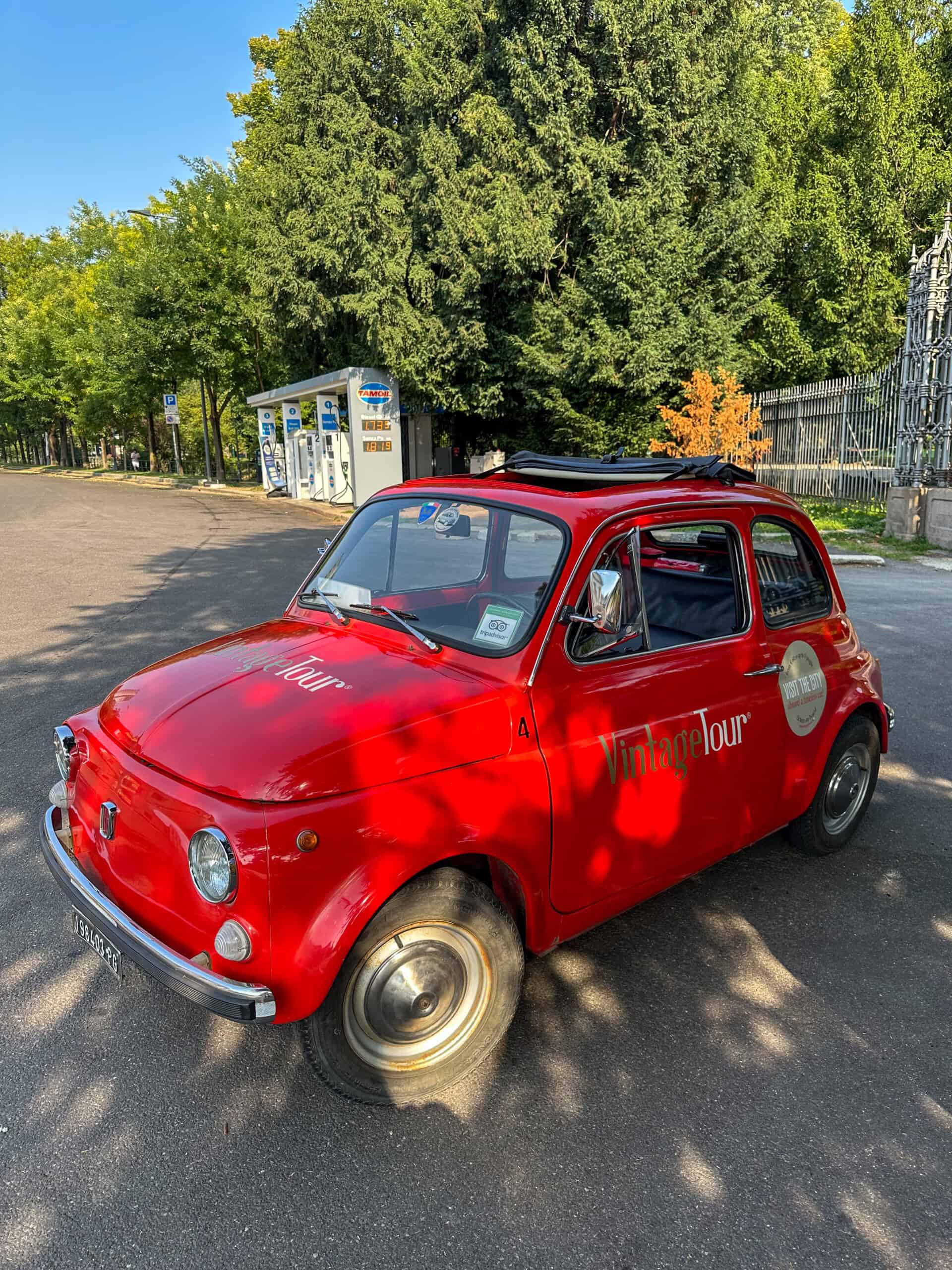
1971 Fiat 500 #4
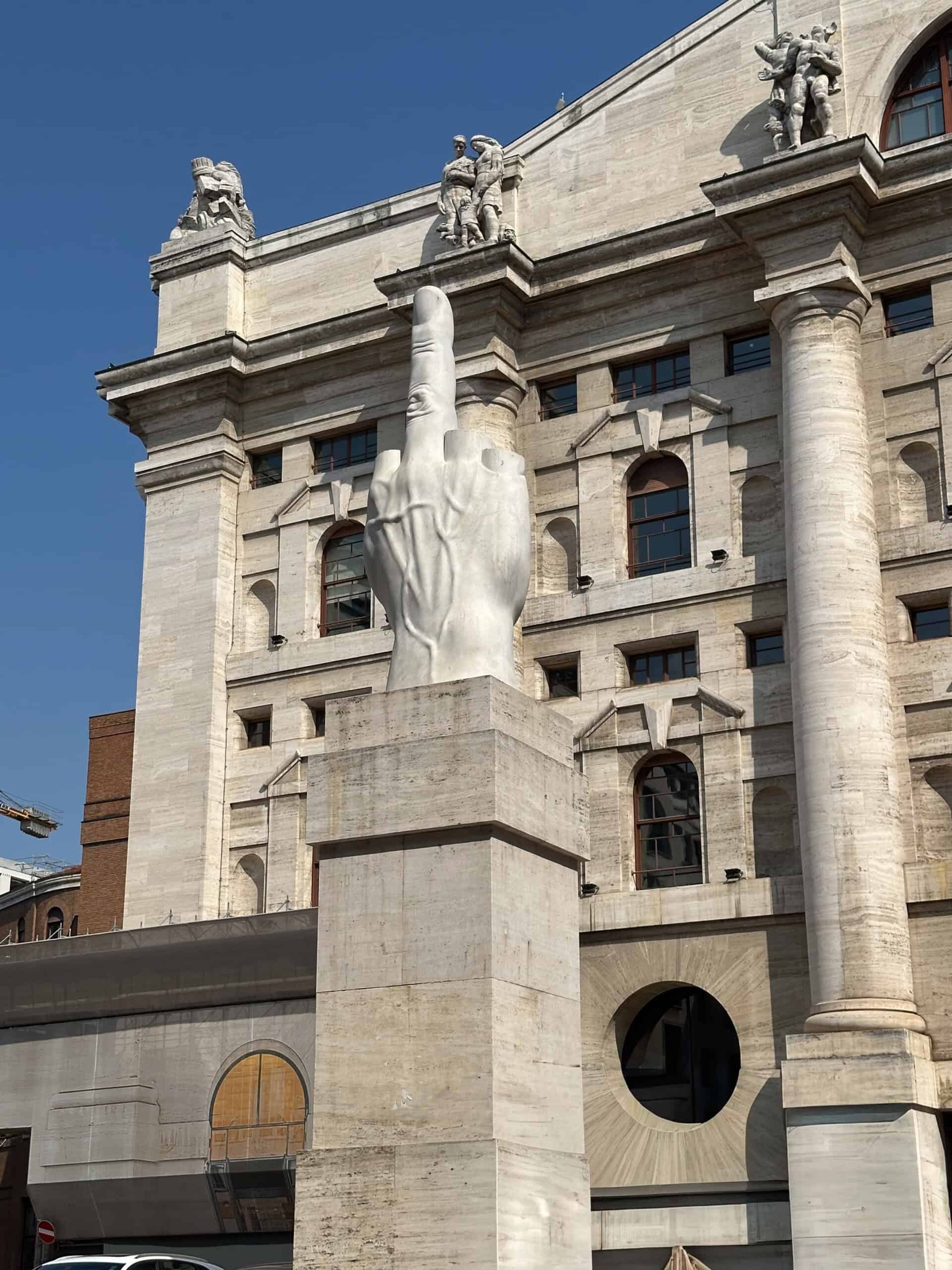
It is designed as a protest against financial institutions after the 2008 financial crisis in Italy
Driving through Milan in the topolino felt like stepping back in time and gave me a completely different perspective on the city. People seemed genuinely happy to see the little red Fiat roaming around—a tourist couple even asked us at a set of traffic lights how they could book the tour themselves.
To top it off, the tour’s small gift shop was actually in the boot of the Fiat itself—a quirky touch that suited perfectly the overall experience. I bought a model Fiat 500 as a keepsake and carried it home as a memento.
Later, I visited the Galleria Vittorio Emanuele II and the Duomo. Both were stunning, but the crowds were overwhelming, especially in 40°C heat. Scammers and pickpockets were everywhere, and after four nights of little sleep, it was hard to enjoy the surroundings—even in such iconic locations.
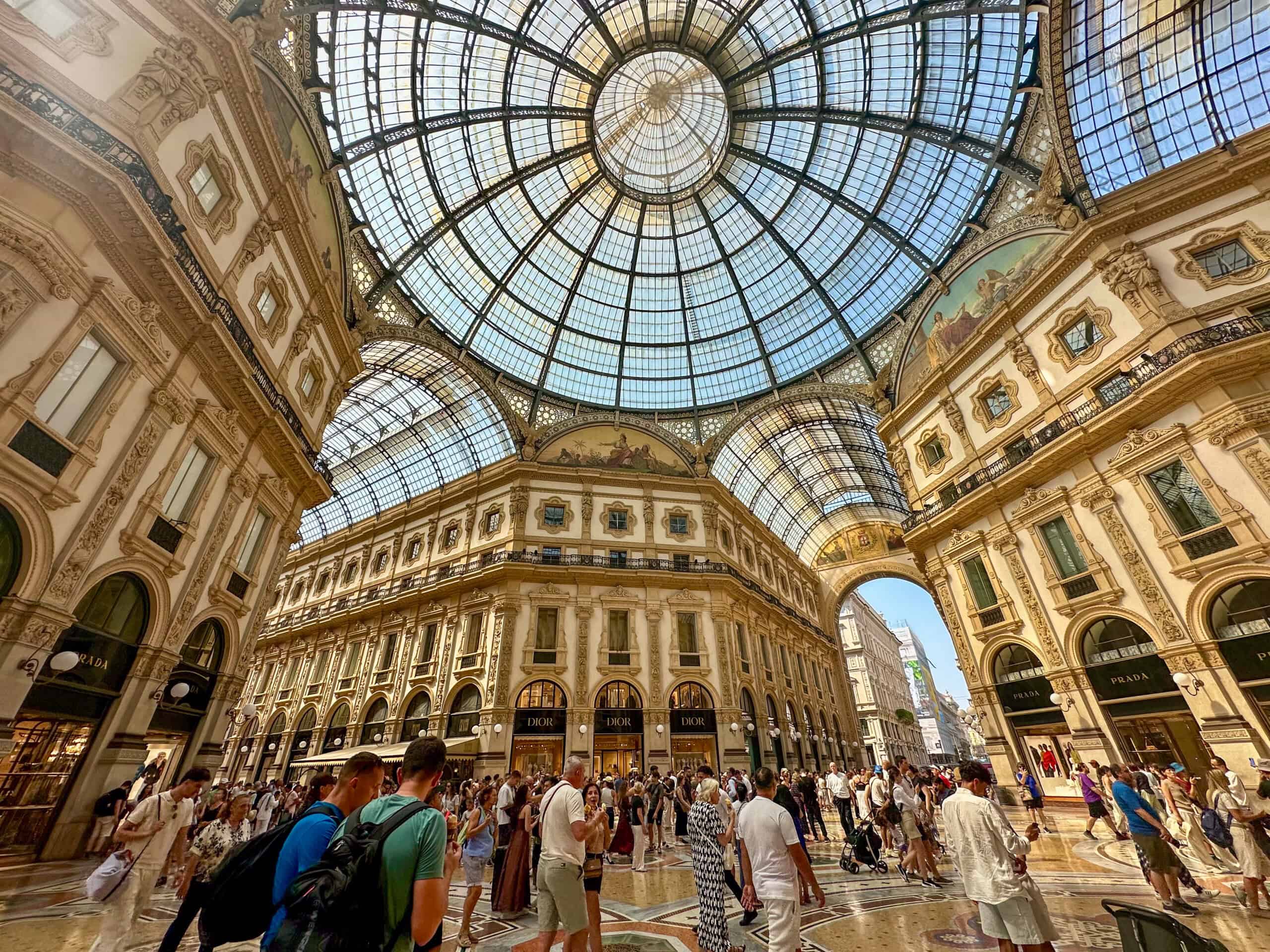
Galleria Vittorio Emanuele II
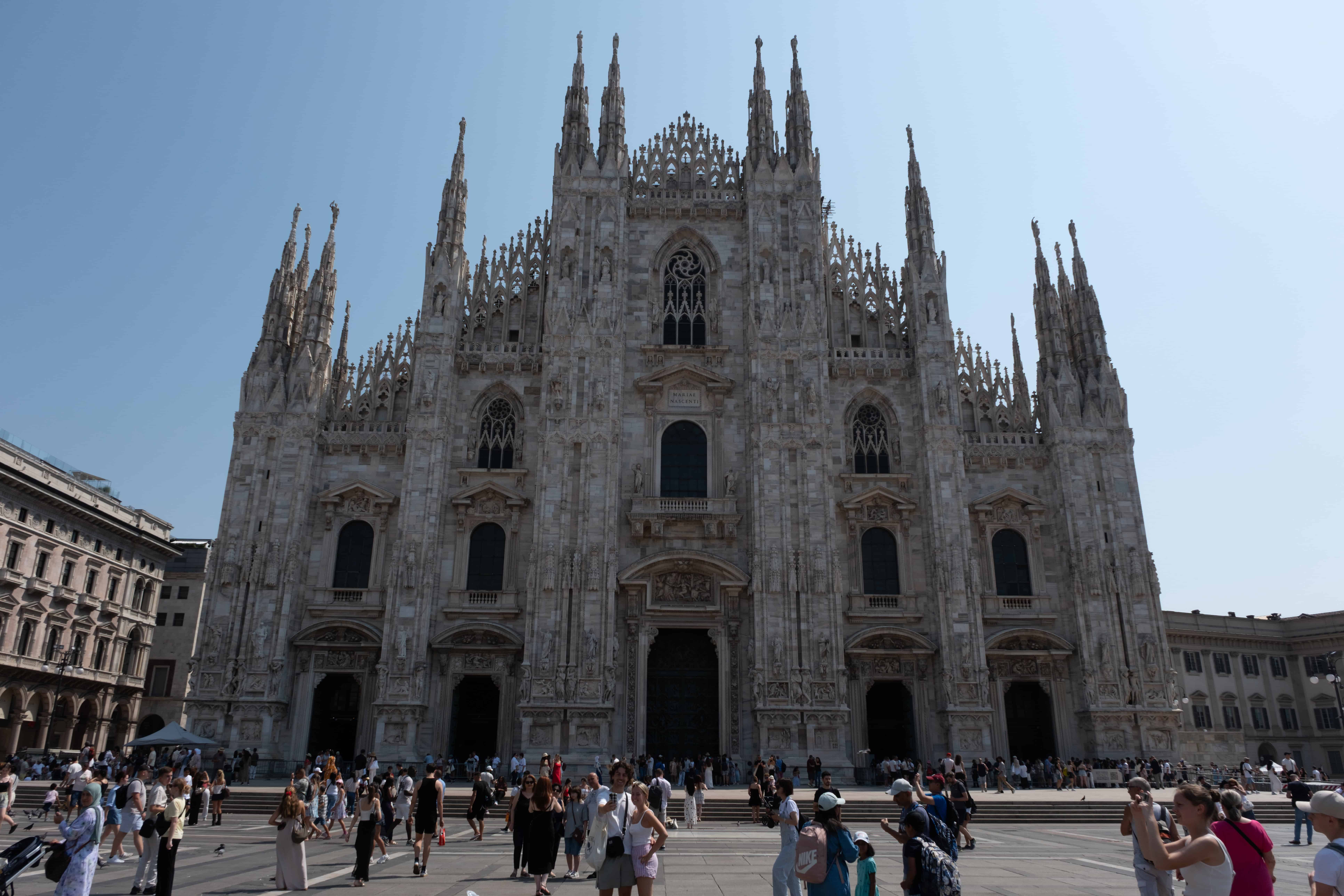
Duomo di Milano
Milan left me conflicted. On the streets, the city’s age and grit give it character, but it often feels chaotic and uncomfortable. Moving to the Spice Hotel Milan, near Centrale Station, finally gave me a proper night’s sleep—just in time for the next leg of the journey.
Milan to Venice
After the intensity of Milan, boarding the Frecciarossa (Red Arrow) high-speed train was a relief. If you’re planning to travel within Italy, the train network is excellent—faster, more comfortable, and far less stressful than flying.
I booked a business class seat (€44 vs €36 in economy), which gave me extra space and meal service for the 3.5-hour trip. The layout was ideal if you’re travelling solo: pairs of seats on the left, single seats on the right. I chose a solo seat, which was perfect in theory—though a loud family nearby made it less peaceful than hoped. Thankfully, Netflix on my iPad helped me zone out.
Milan’s Centrale Station, while architecturally stunning, was chaotic inside—crowded, hot, and short on waiting space. Once the train pulled out, the journey became far more comfortable. The scenery was mostly flat with gentle hills, a welcome contrast after the city’s intensity, and it was the first time in days I could truly unwind.
Stepping off at Venezia Santa Lucia Station, I knew what to expect, having spent four days in Venice previously, but that first glimpse of the Grand Canal still felt magical. Navigating the vaporetto (water bus) system was confusing rather than difficult—the signage was vague, and figuring out which line and platform to use wasn’t straightforward. The public water bus was slow, crowded, and stifling in the heat (the only airflow came from open windows)—not exactly the smooth arrival I’d hoped for.
Once I reached my hotel and met up with the group I’d be touring with for the next ten days, everything clicked back into place. We found a casual spot for dinner—good food, good company—and it was exactly what I needed after a long day of travel.
Final Thoughts
This stretch of my journey—from the calm of Helsinki to the heat and chaos of Milan, and finally to Venice’s timeless charm—was a reminder of just how varied travel can be, even on the same continent. Each city has its own rhythm, and part of the adventure is learning to move with it.
From a traveller’s perspective, I’d happily return to Helsinki in a heartbeat. Milan? Maybe, but next time in spring or autumn. And Venice—crowded or not—will always have its magic.
If you’re planning a similar trip, my advice is simple: give yourself time to slow down, choose your accommodation carefully, and never underestimate the little comforts that shape your experience—like a good night’s sleep, a smooth train, or a well-organised airport. These are the things that can make all the difference between a trip that’s exhausting and one you truly enjoy.






 Peace of mind


