This continues from Part 3
After the colourful welcome of Rovinj the night before — complete with ducks, cobbled lanes, and that first glimpse of the harbour — the town greeted us the next morning in a very different mood. The wind had picked up, the streets were damp, and the Adriatic was restless. I wasn’t feeling up to a big excursion anyway, so while the rest of the group headed inland to Motovun for medieval walls and a truffle feast, I stayed behind. My own “excursion” was simpler: a burger by the harbour, watching fishing boats rock against their moorings as the gusts rolled in.
The rest of the day was quiet. I wandered a little, but mostly let the weather and my body set the pace, which meant retreating for a much-needed nap. Not every day on the road is a headline act, and sometimes the best thing you can do is lean into a slower rhythm. The day ended on a brighter note when a group of us ventured out for dinner at Trattoria Cisterna. We sat outside under big umbrellas as a drizzle came and went, the tables around us buzzing with energy. Strings of bunting — little flags from all over the world — fluttered above. I don’t remember exactly what I ate, but I do remember the atmosphere: lively, welcoming, and the perfect way to reconnect with the group after a quieter day. After dinner, I made my way up to St. Euphemia’s Church, its tower glowing against the night. The streets were hushed, the air still damp, and out on the horizon, flashes of lightning lit up the sky. The storm never reached Rovinj, but from my vantage point, it felt like a private performance, nature’s encore to a day of stillness.
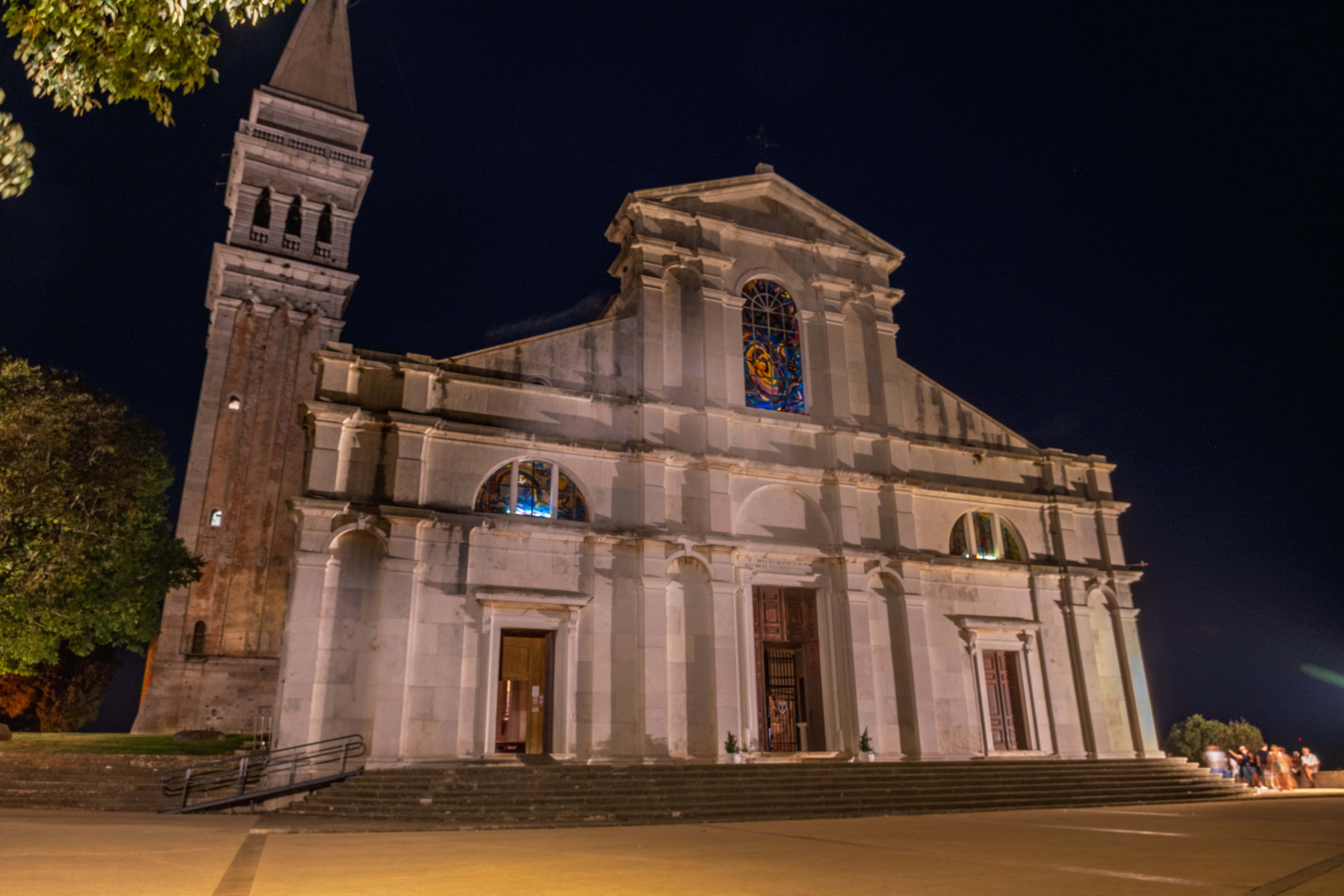
St. Euphemia’s Church
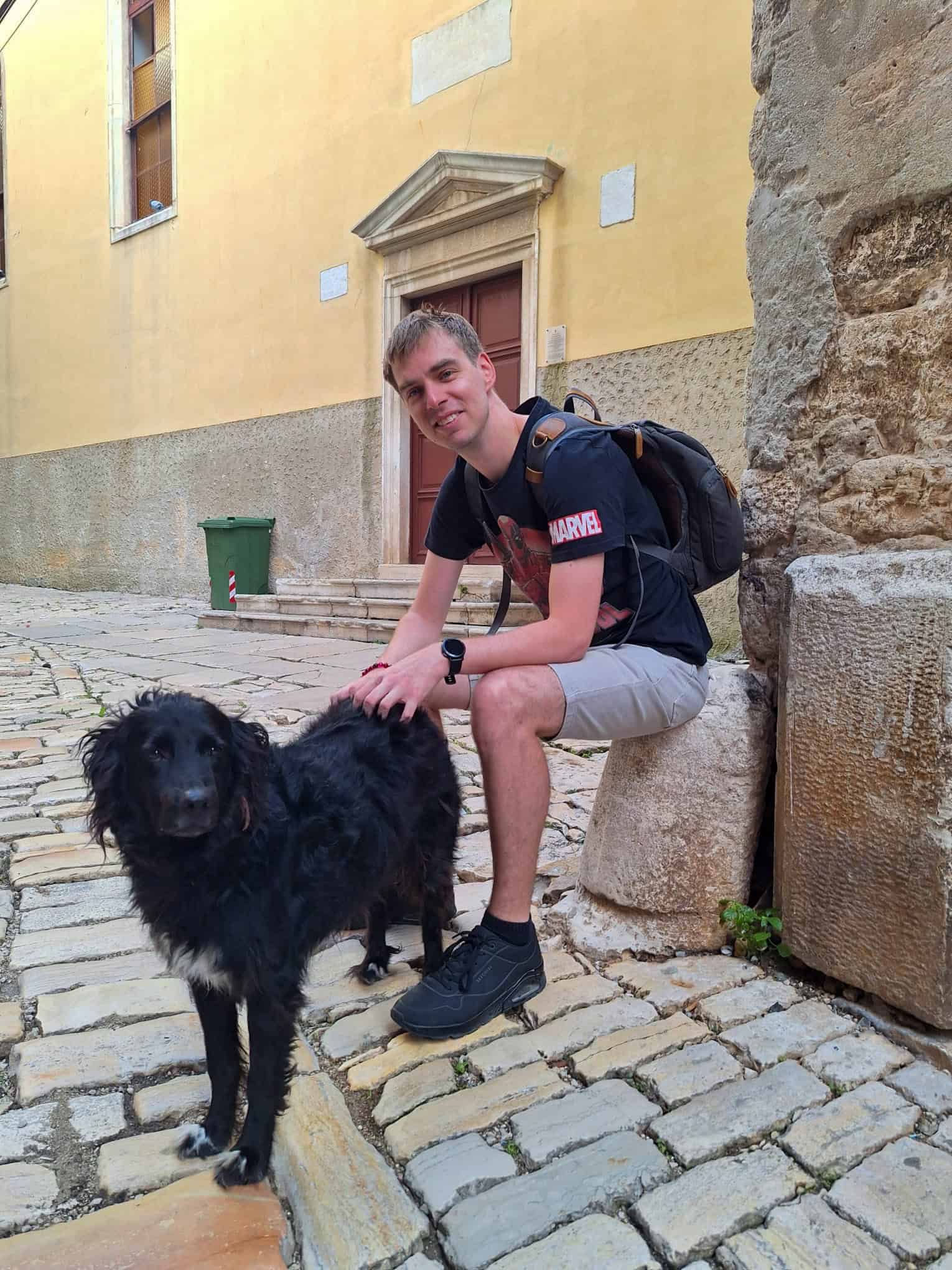
Doggo #1
Our first stop after Rovinj was Opatija, a grand old seaside town that still carries the elegance of its 19th‑century resort days. Even in the drizzle, it had charm. We walked along the waterfront promenade where the Croatian Walk of Fame runs — inspired by Hollywood, but dedicated to Croatians who’ve made their mark in sport, science, culture, and the arts. Names like Nikola Tesla, tennis champion Goran Ivanišević, and Olympic skier Janica Kostelić are all remembered here, their stars set into the pavement by the sea. At the end of the walk, we paused at Opatija’s most famous landmark, the Maiden with the Seagull statue. Standing on a rocky outcrop since 1956, she’s become the symbol of the town — windswept and forever reaching toward the bay. I took a few photos before we ducked into the Heritage Hotel Imperial Café for coffee and snacks to escape the rain.
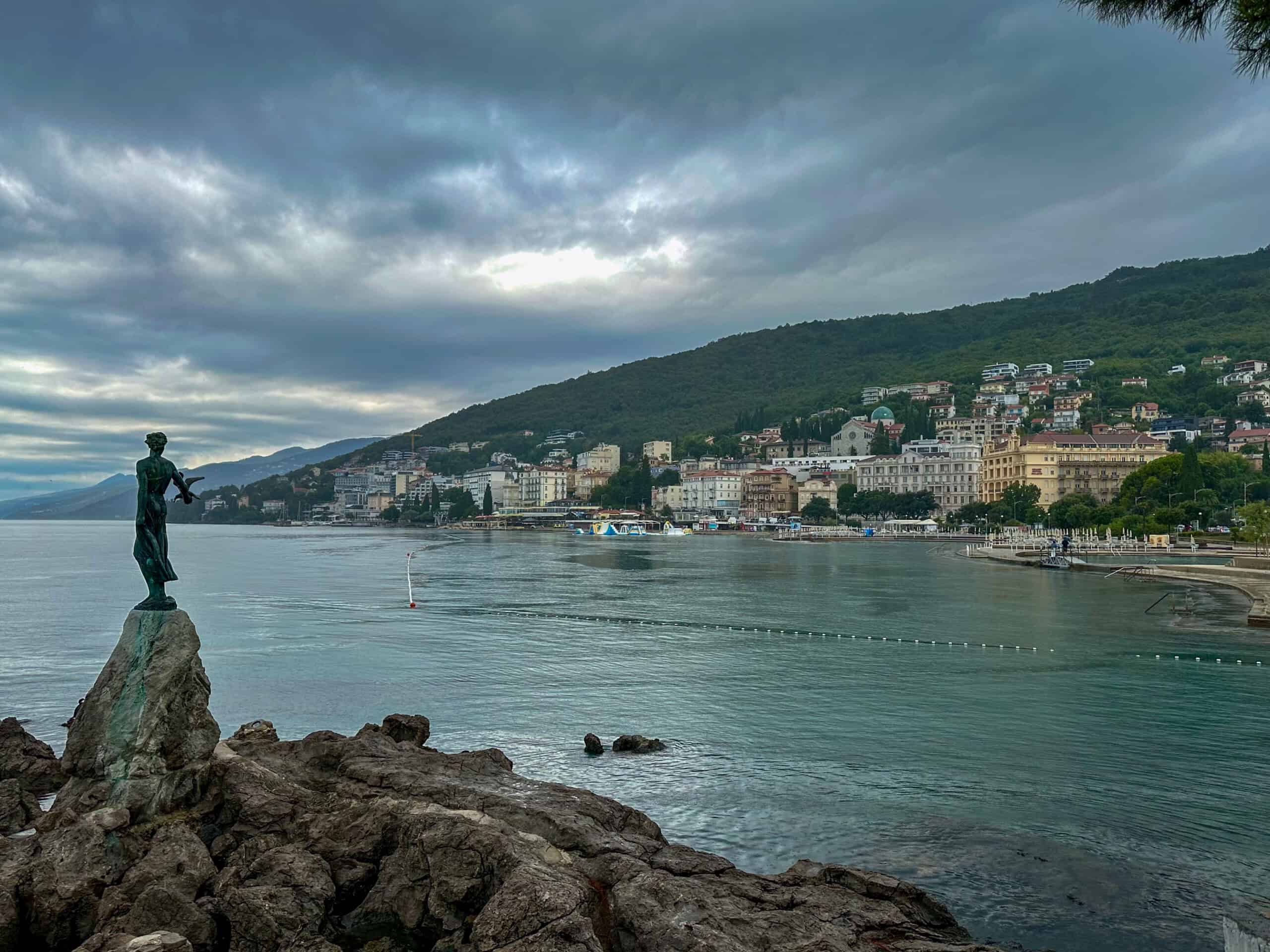
Maiden with the Seagull
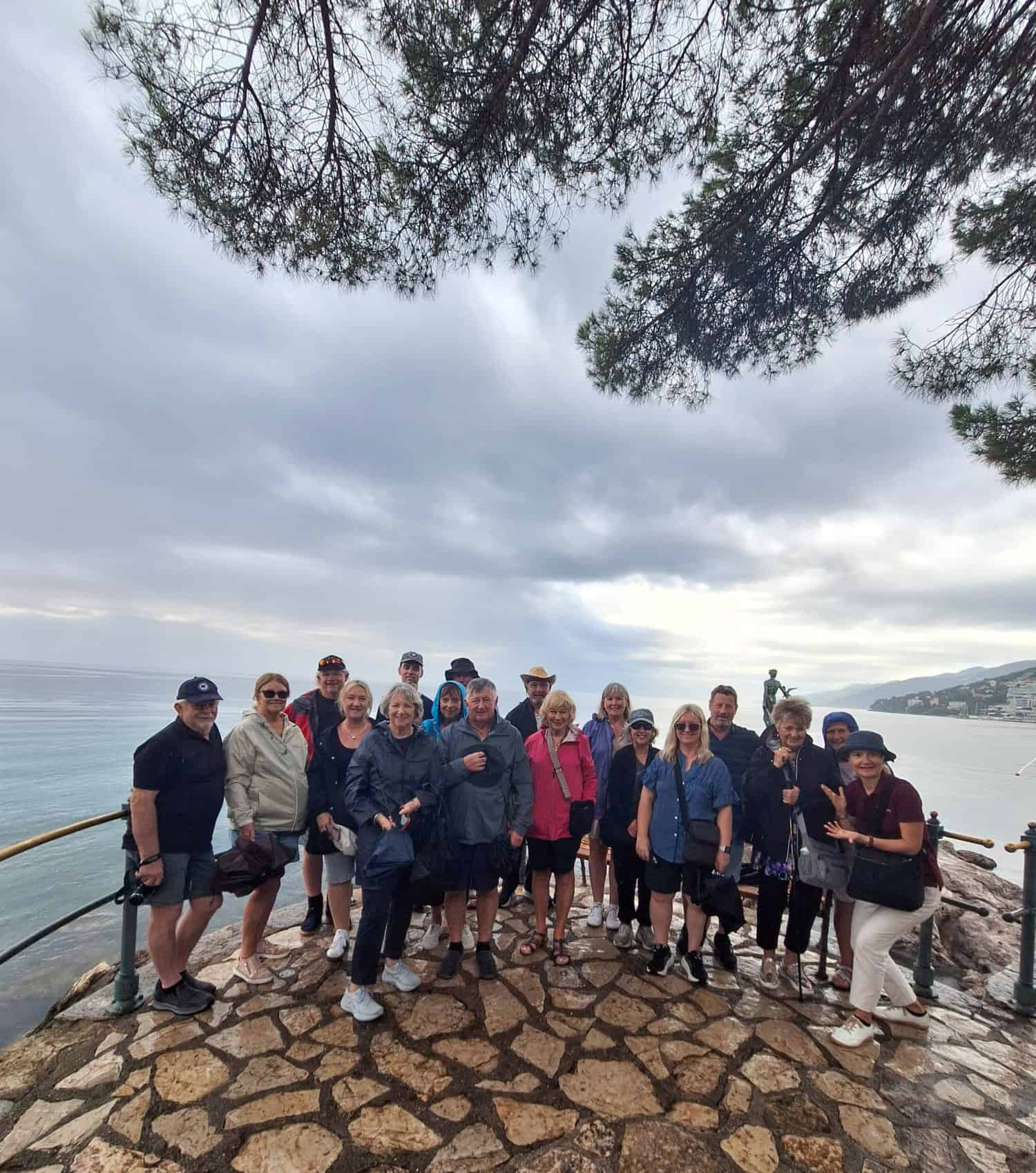
Our group – Maja is on the far right
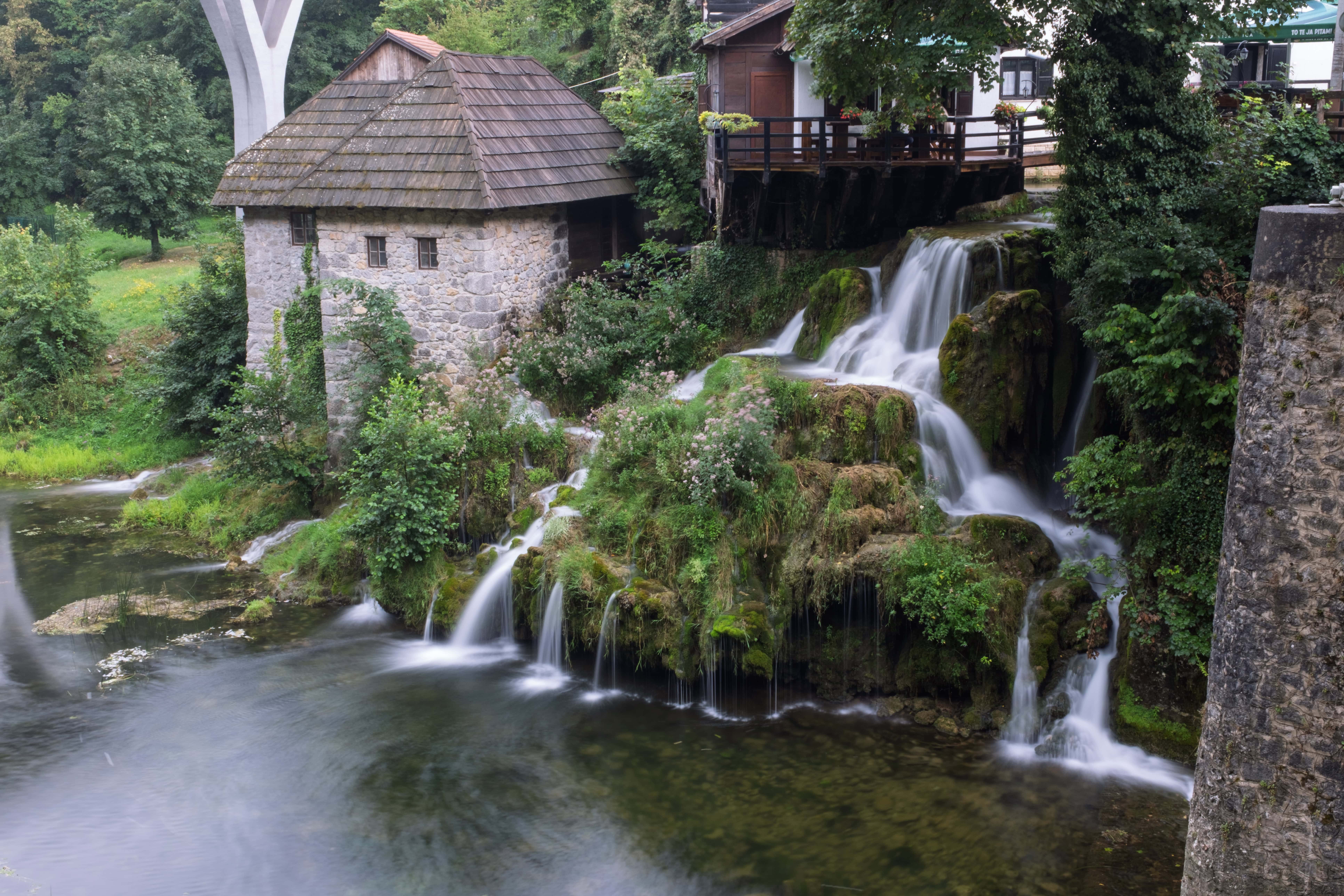
From there, it was on to Rastoke, a storybook village where wooden houses perch above a web of waterfalls. The rain gave the place a misty, almost fairy-tale-like atmosphere. We visited an 18th‑century watermill, still turning with the river’s flow, and met the family who runs it. Their dog, Nelie, quickly stole the show — friendly, curious, and at home among the rushing water and old timber buildings. I took plenty of photos — bridges over foaming streams, moss-covered rocks, and cottages balanced above the cascades. Even in the drizzle, it was enchanting.

Rastoke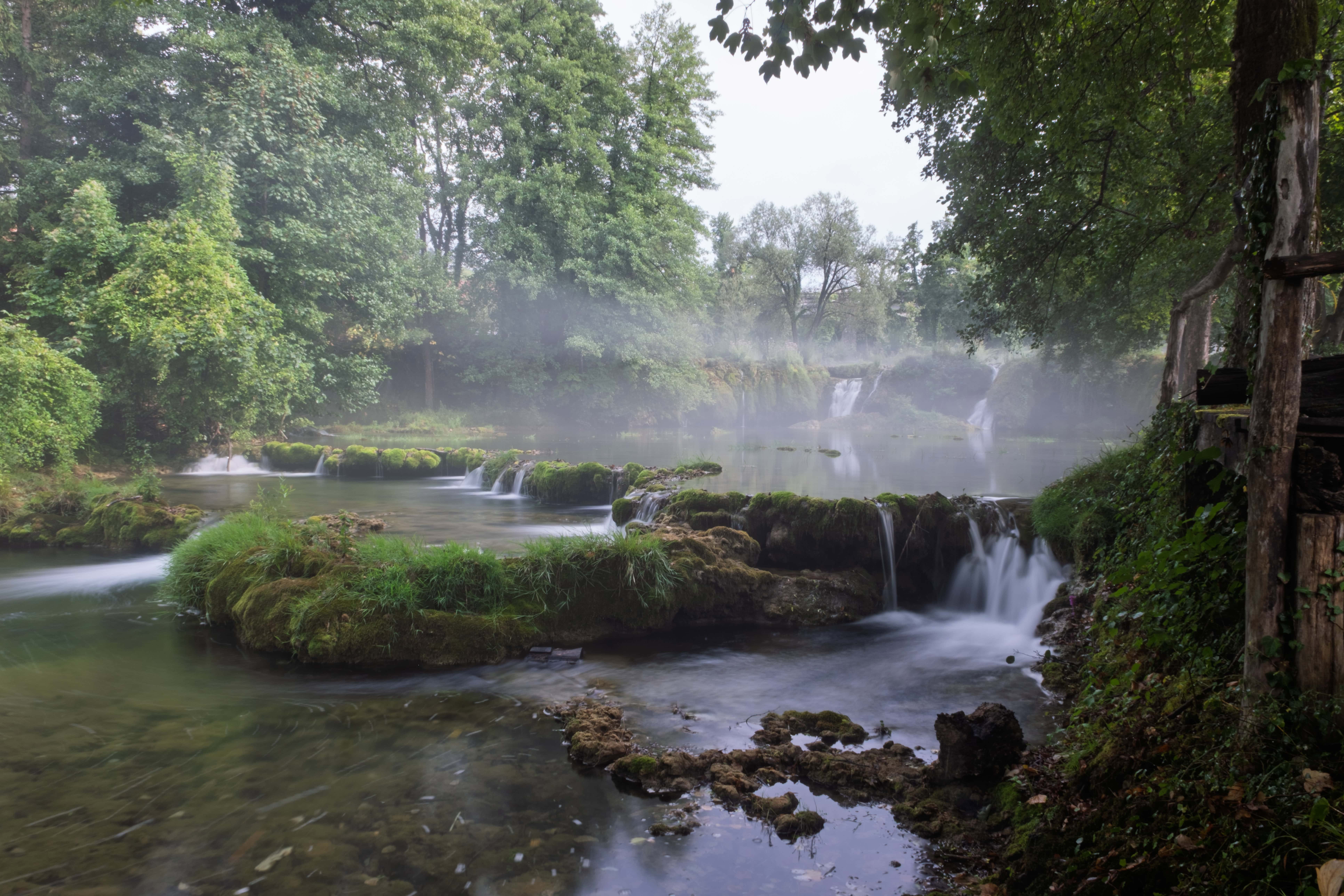
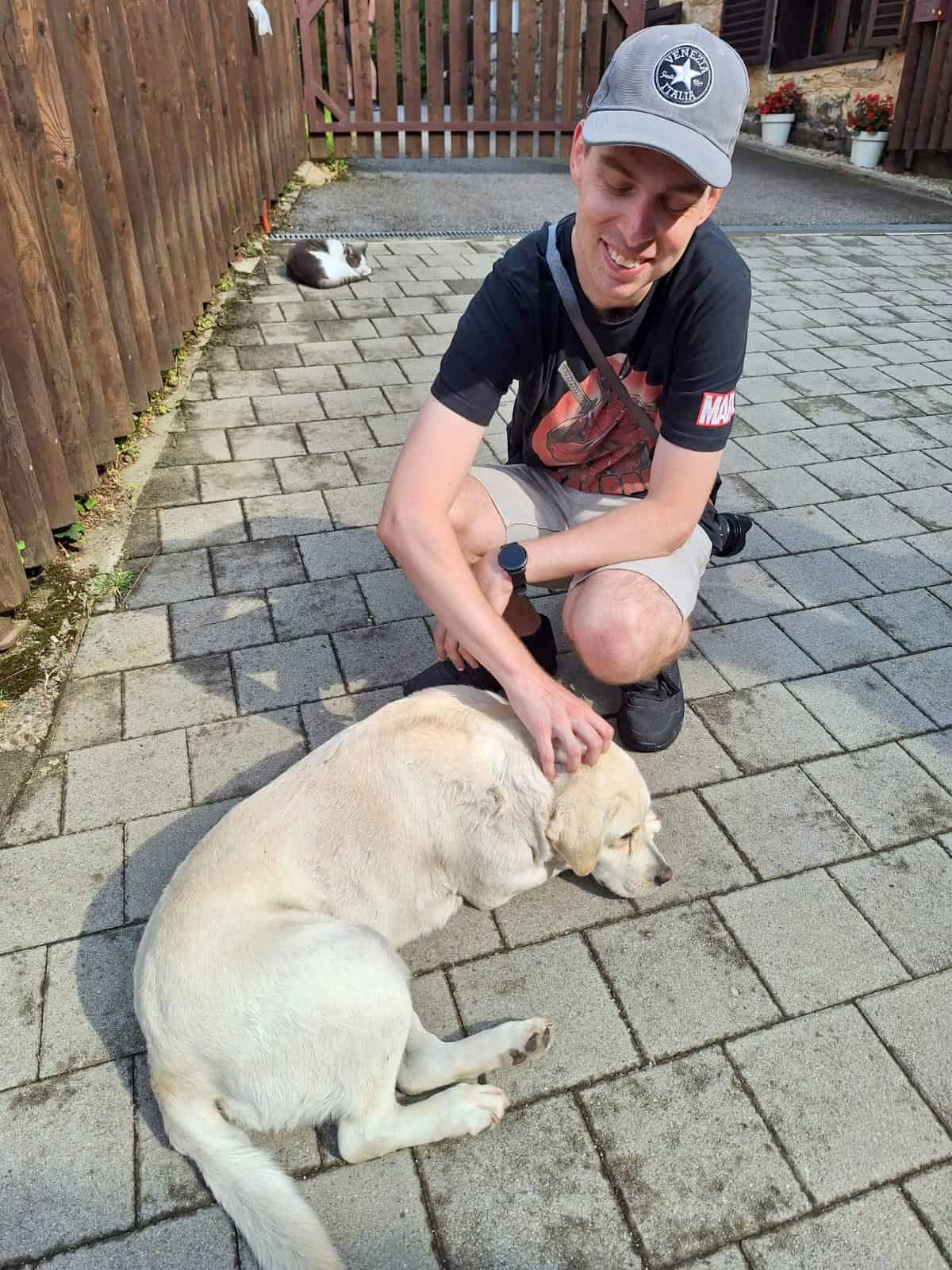
Nelie (doggo #2)
That evening, we checked into Hotel Fenomen, unlike anywhere else we’d stayed. Instead of a single building, it was a cluster of lodge-style houses divided into self-contained apartments. Spacious, modern, and finished with natural wood and stone, they felt more like private retreats than hotel rooms. Dinner was excellent, and the bar served gin and tonics with delicate flowers floating in the glass — something I’d never seen before.
The next morning, we set out for Plitvice Lakes, Croatia’s most famous national park. A local guide led us through the trails — knowledgeable, engaging, and clearly passionate about the place. Even with wet weather and crowds, Plitvice was breath-taking. Waterfalls tumbled through the mist, lakes shimmered in shades of green and blue, and the boardwalks took us right across the water. At one point, we boarded one of the park’s electric boats to cross Lake Kozjak. I hadn’t expected a boat ride in a national park, and it gave an entirely different perspective — calm, quiet, surrounded by forest and water. At the end of the walk, we joined the park’s shuttle bus back to the entrance. This part was chaotic: long queues, damp, tired visitors, and buses filling up as quickly as they arrived. Back in the carpark, I noticed another dog — a final, unexpected companion to round out the visit.
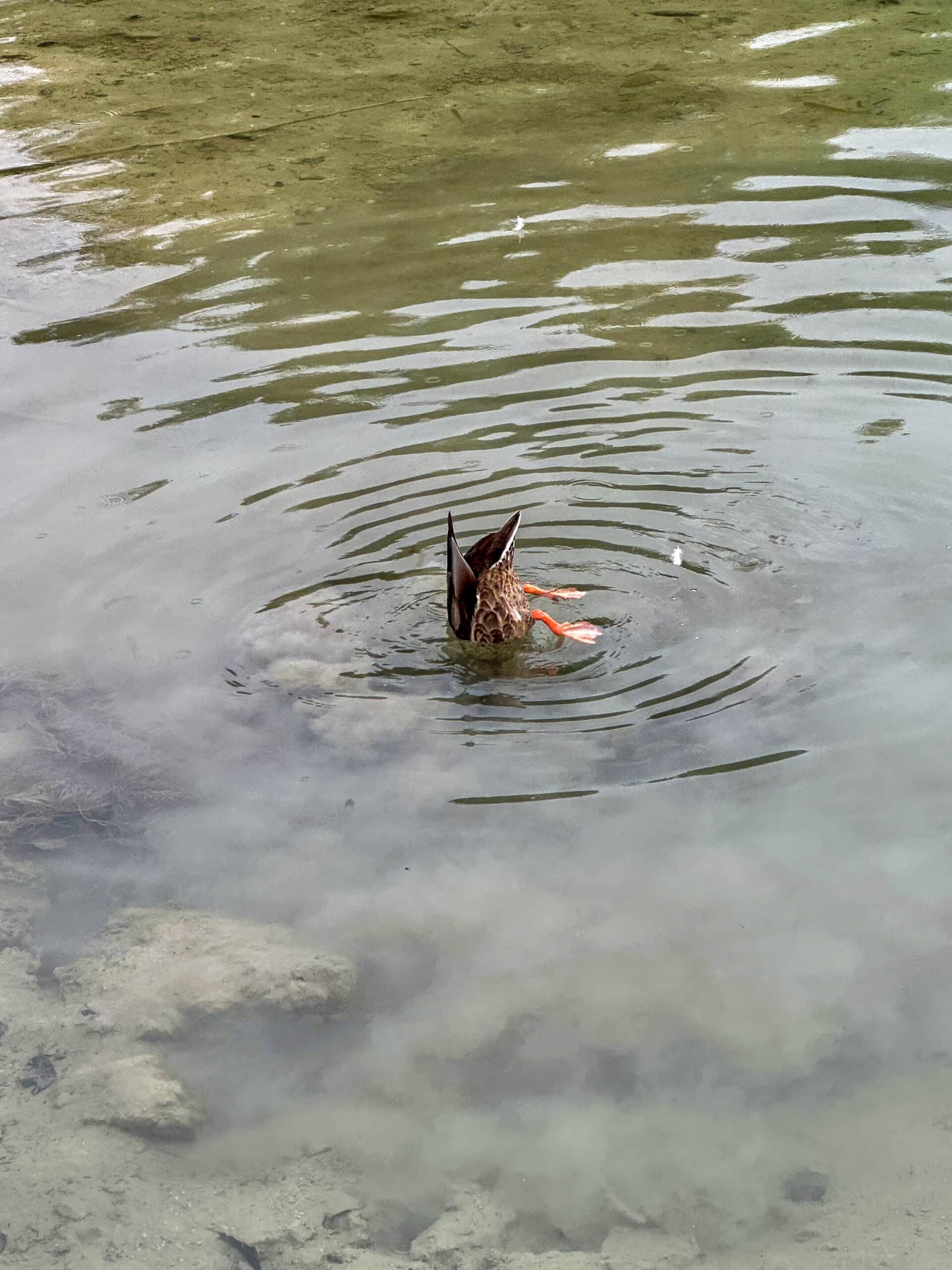
Pltivice duck
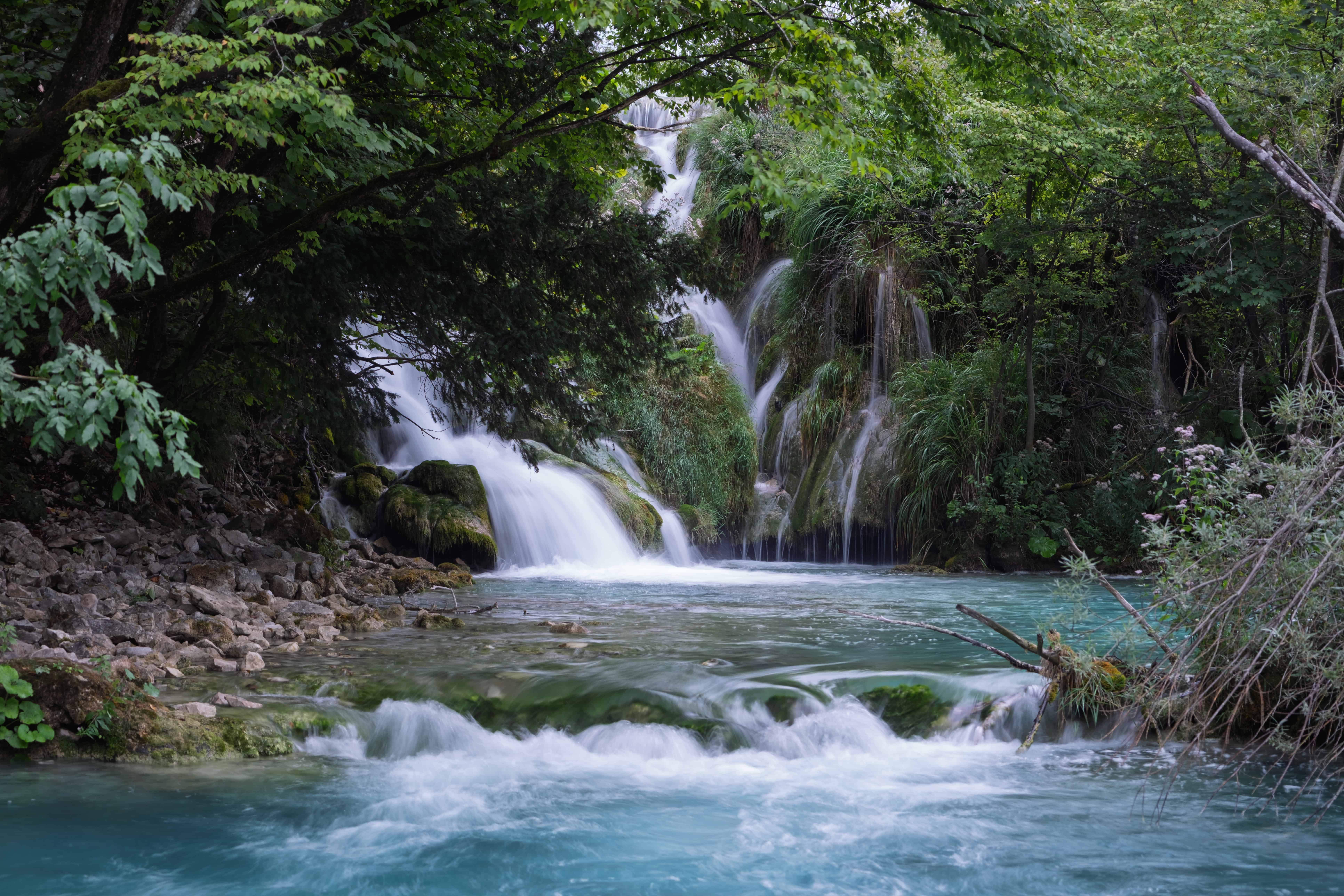
Plitvice Lakes
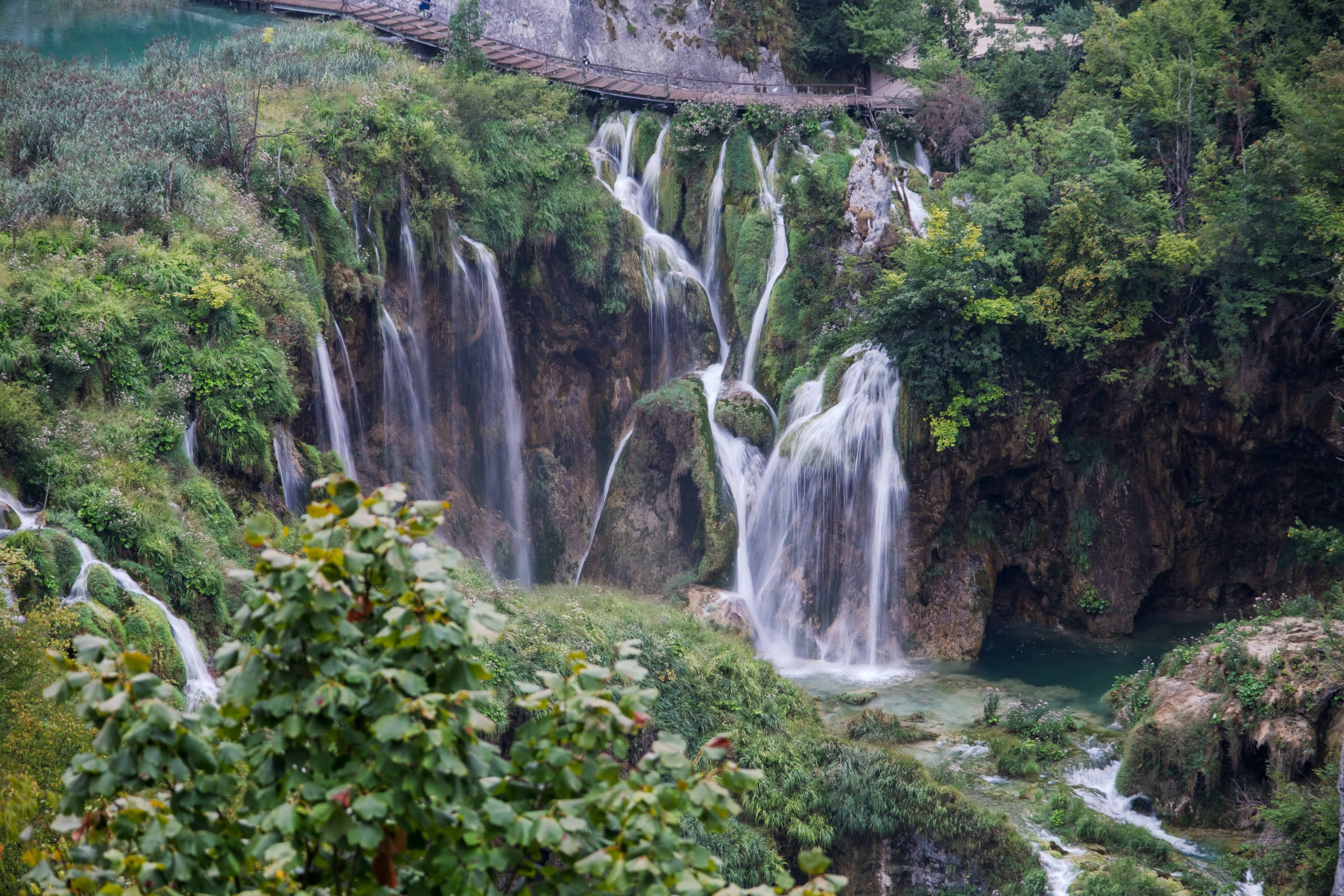
Pltivice
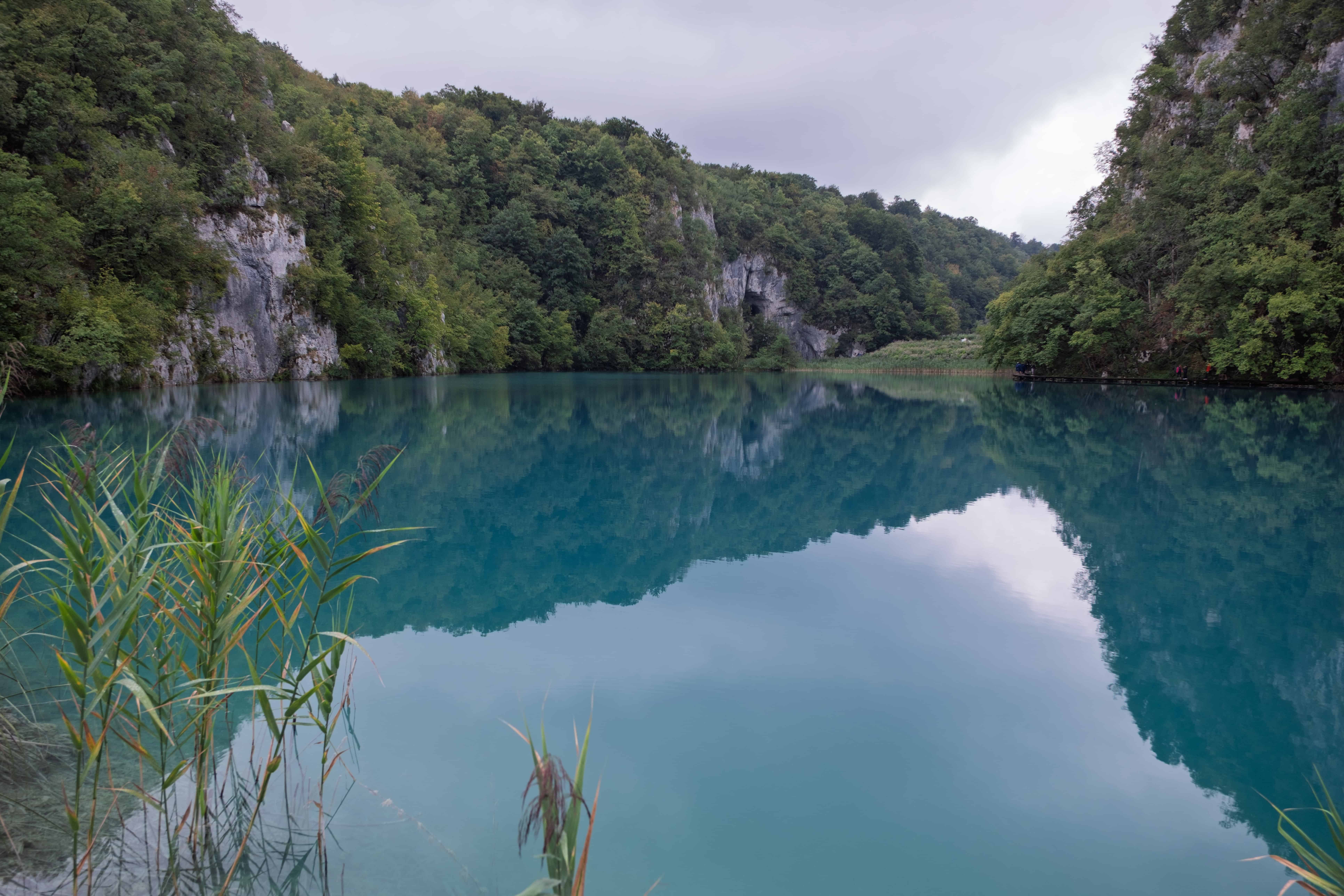
Plitvice Lake
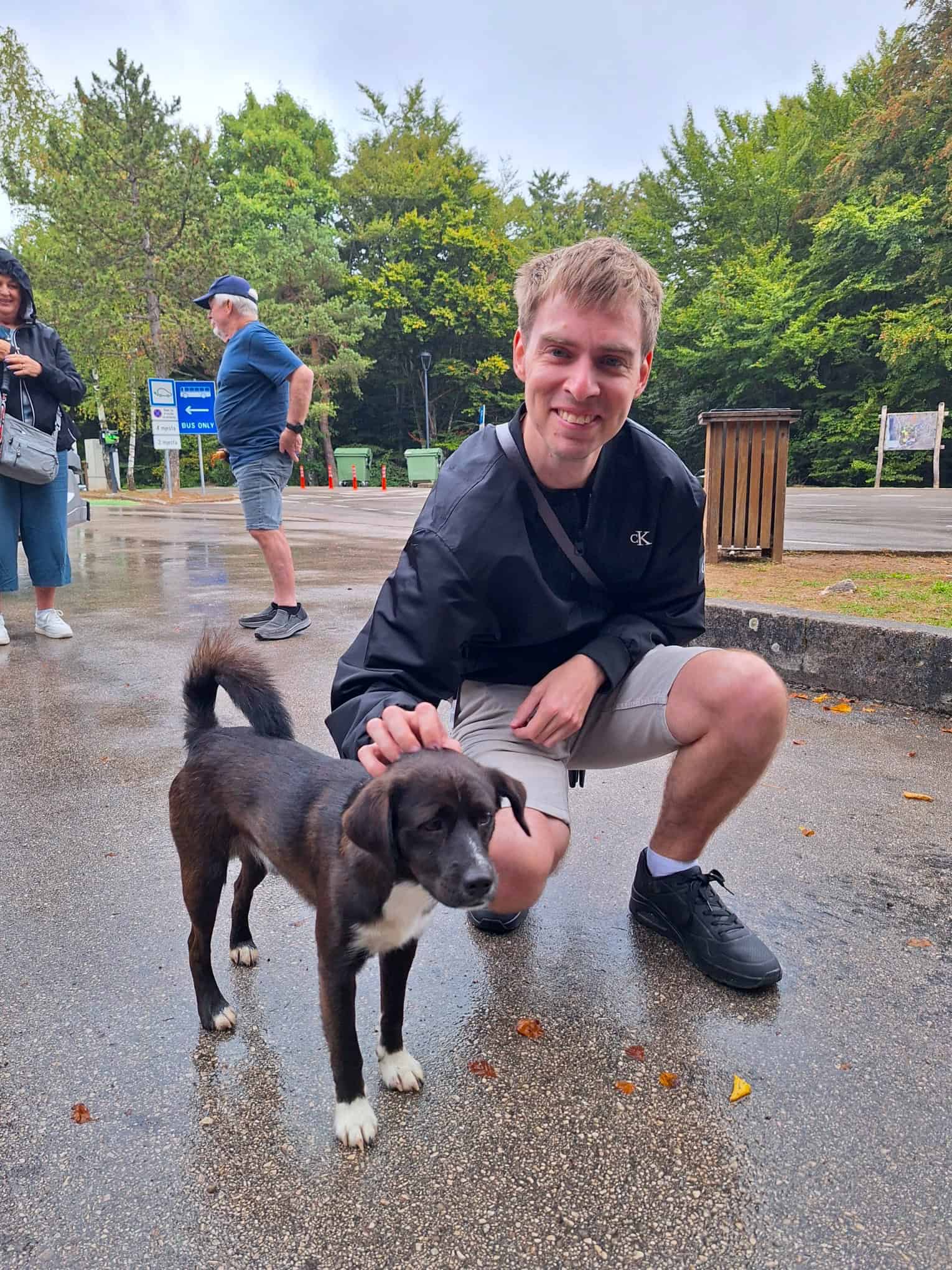
Doggo #3
From there, we continued toward Smiljan, stopping for lunch at Macola, a large roadside restaurant near Korenica. Out the back was something I didn’t expect: an enclosure with two brown bears. They were both fast asleep — hardly the dramatic wildlife encounter you imagine, but memorable. I took a few photos to remember it.
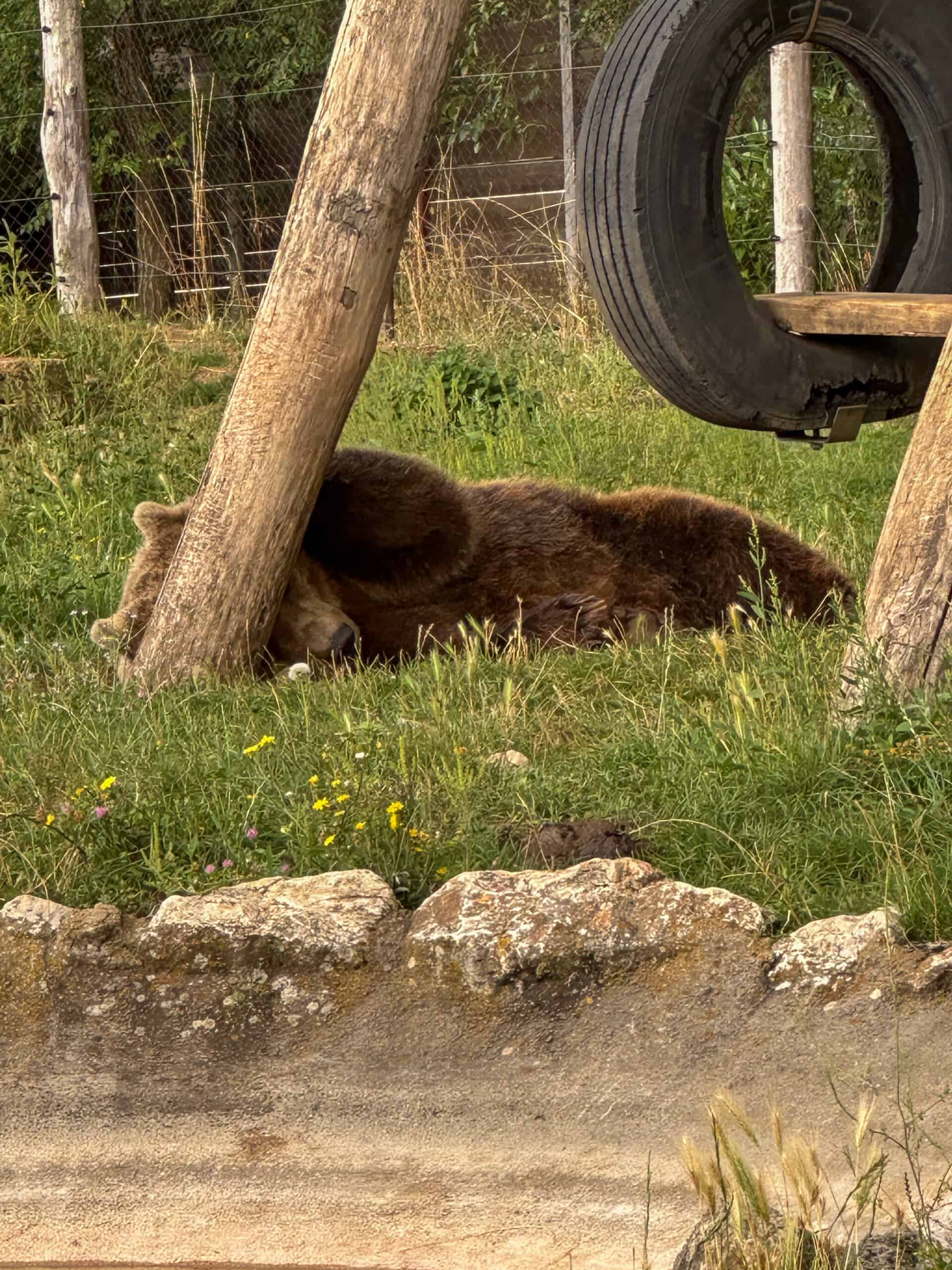
Snoozing bear
Next stop was Smiljan, Nikola Tesla’s birthplace. His childhood home has been restored as part of the Nikola Tesla Memorial Centre, a museum dedicated to his life and work. Inside, we saw exhibits about Tesla’s early years and the environment he grew up in. There were working replicas of some of his inventions — models of the induction motor, the rotating magnetic field, and a small Tesla turbine. At the experimental station, a guide demonstrated the Tesla coil, showing how electricity could be transmitted wirelessly, with arcs leaping through the air and lighting fluorescent tubes without wires. It was dramatic, noisy, and a little theatrical — precisely the kind of spectacle Tesla himself was known for. The site blended history with science: the quiet of his birth house, the Orthodox church nearby, and then the crackle of electricity in the demonstration hall. It felt like stepping into both the past and the future at once.
From Smiljan, we drove on to Zadar, checking in at the Hotel Kolovare. That evening, we gathered for our farewell dinner, followed by a short bus tour around town to get a first glimpse of the city at night. The next morning, we set out on foot with Maja for a proper look at Zadar. We began along the waterfront, stopping at the “Greeting to the Sun” installation — a huge circular plate of solar panels set into the pavement that soaks up sunlight by day and transforms it into a colourful light show at night. Right beside it is the famous Sea Organ, a series of marble steps with pipes hidden underneath that turn the movement of the waves into ever-changing music.
From there, we walked past the remains of Zadar’s Roman Forum, once the centre of public life when the city was a Roman colony. The outlines of temples, columns, and foundations are still visible, with the medieval Church of St. Donatus rising beside them. Nearby stands the Cathedral of St. Anastasia (Katedrala sv. Stošije), the largest church in Dalmatia. Built mainly in the 12th and 13th centuries in Romanesque style, it incorporates elements from earlier Christian basilicas dating back to the 4th and 5th centuries. The cathedral holds the relics of St. Anastasia of Sirmium, brought to Zadar in the 9th century, and its large rose window dominates the Old Town skyline.
We continued deeper into the Old Town, wandering its narrow streets and squares. I had a gelato along the way, then paused for an Irish coffee — a small indulgence to mark the end of the trip. Soon after, it was time to rejoin the bus and leave Zadar.
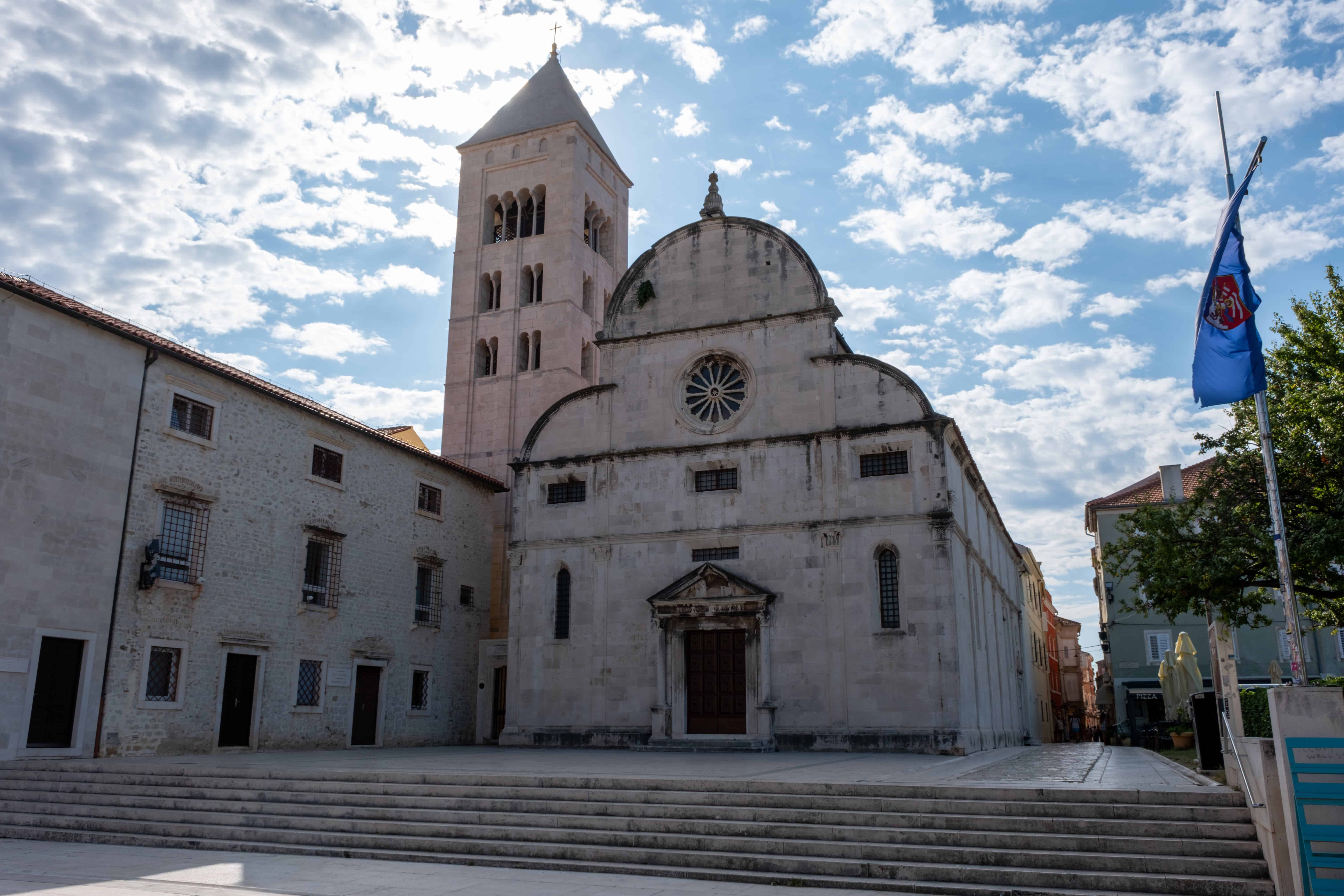
St Mary’s Church
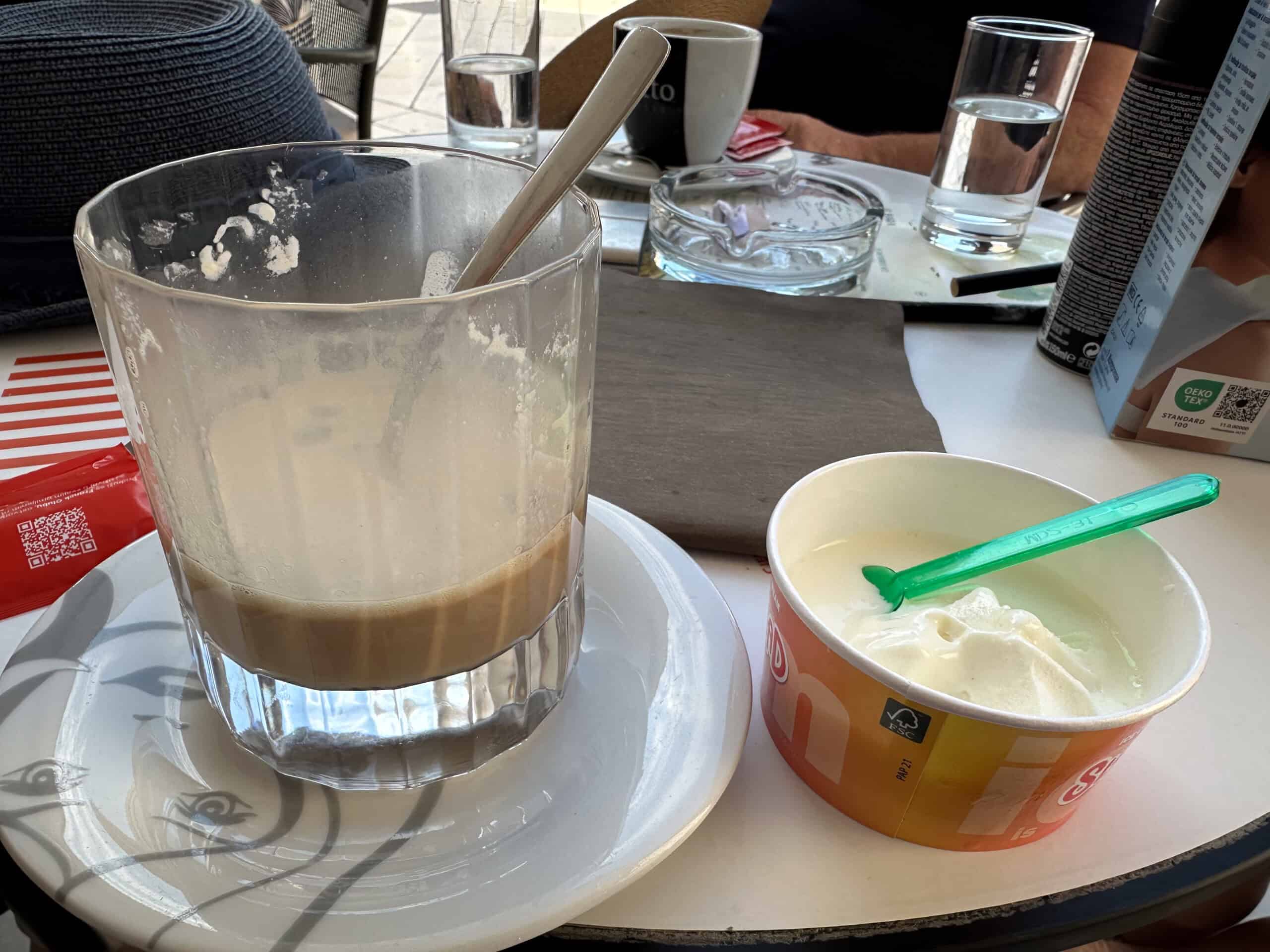
Irish Coffee and Ice Cream
Heading south along the A1 motorway, the skies opened and we drove through a heavy Adriatic storm. Sheets of rain hammered the bus, visibility dropped, and at times the tyres even aquaplaned. Through it all, Milan stayed calm and steady, guiding us through the worst with quiet confidence. We eventually pulled into a huge roadside service stop near Skradin, chaotic and packed with travellers escaping the storm. By the time we sat down for lunch, the rain had eased a little. But just as we were finishing, the storm caught up again, pounding the windows.
Back on the bus, we drove on through the downpour, the storm chasing us south. We passed through the Velebit Mountains via the Sveti Rok Tunnel — stormy and grey on the inland side, but when we emerged, it was sunny and hot. By the time we rolled into Split, it was humid, a sharp contrast to the storm earlier in the day.
We pulled up at the main dock in Split (Luka Split), which was convenient for me and one other passenger, Nicola, who were both heading straight onto sailing trips. With a few hours before departure, we wandered together to explore Diocletian’s Palace. Built in the 4th century AD as the retirement residence of the Roman Emperor Diocletian, the palace is less a single building and more a living city within walls — narrow lanes, hidden courtyards, and ancient stone arches now filled with cafés, shops, and locals going about their day.
After exploring, we found a spot for lunch together, a last chance to share a meal before our paths diverged for the afternoon. I then found a shady corner nearby to rest and watch the boats and ferries coming in and out of the harbour. The port was busy, with sailors preparing vessels and tourists weaving through the crowds.
By about 5:30, it was time to board. Croatia had already shown me villages, historic cities, and dramatic landscapes — and now it was time to see it from the water. The sailing trip was waiting, and I was ready to see what came next.






 Peace of mind