One of the most common questions I get asked is, “What hiking boots should I buy?” And honestly, there’s no one correct answer — it totally depends on the terrain, the climate, and your feet. But I’ve learned a lot over the years (and over a thousand kilometres), so here’s my updated take on how to choose the right pair, plus what I’d pack for an overnight trek in 2025.
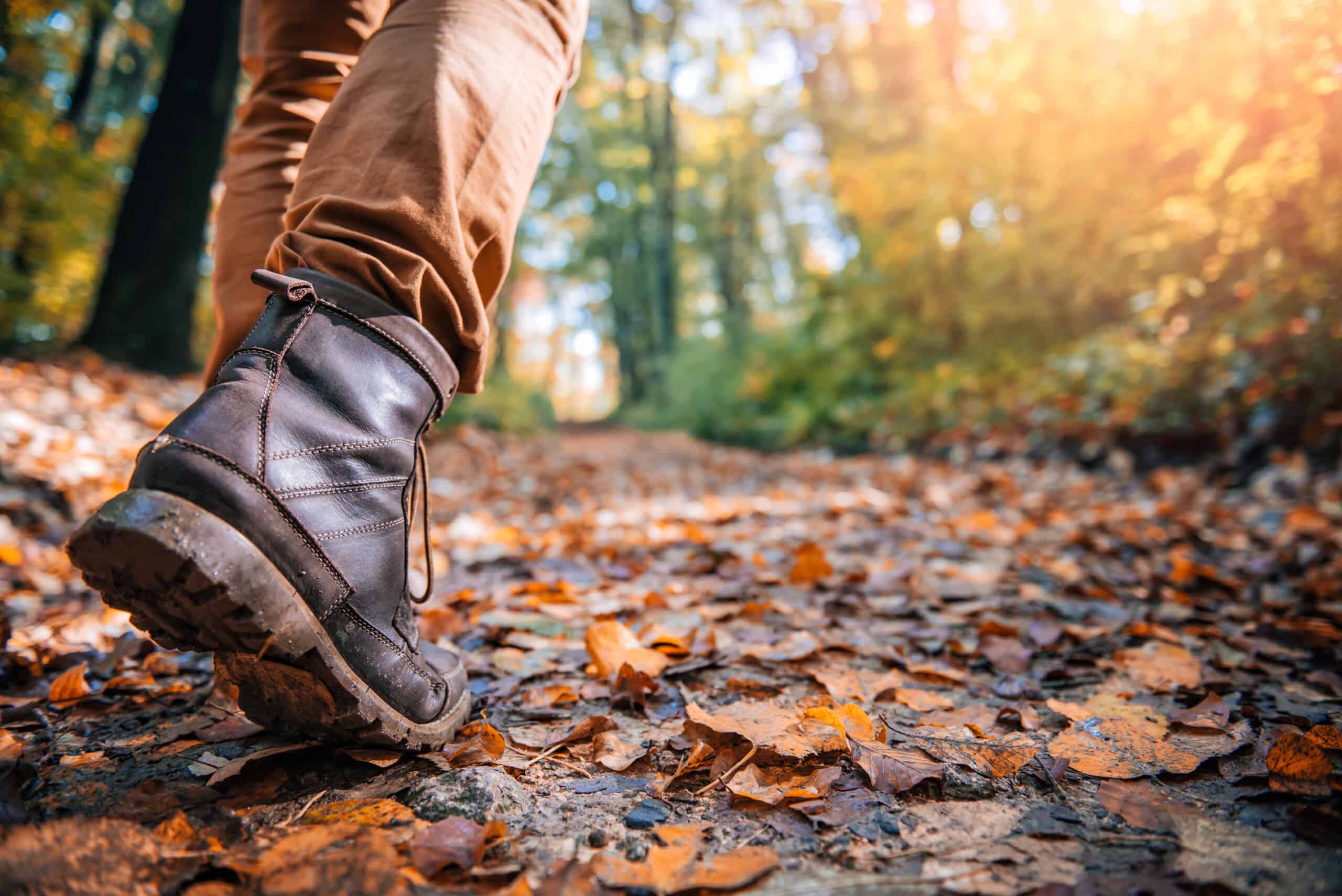
Boots come in all shapes, weights, and materials, and your perfect pair might be totally different from mine — so the first thing to get clear on is: what are you using them for?
Over the ankle or runner-style?
I still swear by hi-tops with good ankle support — especially for multi-day treks or anything with uneven terrain. My boots have saved me from ankle sprains more times than I can count. That said, if you’re doing flatter, well-graded day hikes, a trail runner might suit you just fine (my sister hiked Kokoda in runners and did great!). These days, there are some really advanced hybrid models too — think Salomon X Ultra 4 Mid GTX — that give you runner-style comfort with extra support.
Leather or synthetic?
Both still have their place. I’ve done Kokoda in leather Gore-Tex boots and regretted it — they were waterproof until the river crossings flooded over the top, and then I was stuck in squishy misery. On the flip side, they were perfect for Everest Base Camp — warm, tough, and kept my feet dry in the snow.
These days, most hikers are leaning toward synthetic boots for their lightweight build and quicker drying time. They’re also easier to break in. I now have a pair of synthetic boots that I love — they’re breathable and comfy, (I wouldn’t wear them in snow), but for general trekking, they’re spot on.
Gore-Tex Surround Technology is now fairly standard in mid- to high-end boots. It adds 360-degree breathability while keeping water out — great if you’re hiking in warmer or humid climates but still want waterproofing.
Sustainable materials are also worth a mention. Brands like La Sportiva, Salomon, and Lowa are starting to use recycled and eco-friendly fabrics, which is a great move for conscious hikers.
The Vibram Megagrip sole is still my go-to if you want traction on everything from wet rocks to loose gravel. Look for the yellow Vibram tag — it’s your best friend.
Pro tip: If you’re on a budget, Aldi sometimes releases a hiking boot during their outdoor gear sales. You can make it work, but always replace the flimsy insole with something better (I use Superfeet Trailblazer insoles — game changer for arch support). If the sole isn’t grippy, it’s not worth the money.
And I’ll say it again: good socks matter more than you think. Merino wool or high-performance synthetics only — they wick moisture, reduce odour, and stop those nasty blisters before they start.
Packing smart is still all about layers, lightweight gear, and versatility. Here’s my tried-and-true list with a few 2025 updates.
Clothing Essentials (adjust for season):
Merino wool thermals (Icebreaker and Macpac still make my favourites)
3 pairs of moisture-wicking socks (Smartwool or XTM do great ones)
Sports bra (if you’re a woman) + quick-dry underwear (ditch cotton entirely)
Wicking tops (Uniqlo Airism, Kathmandu, or even Kmart’s tech range)
Lightweight hiking pants (I hiked Everest in Kmart ones!)
Puffy/down jacket (essential for cold nights)
Waterproof outer shell (The North Face or Rainbird both go well)
Lightweight fleece or mid-layer
Beanie or headband
The Little Things You’ll Be Glad You Packed:
Elastoplast/blister kit
Panadol and any personal meds
Spare laces (this one’s non-negotiable)
Matches or fire starter
Toilet paper + baby wipes
Toothbrush & toothpaste
Hand warmers (those shake-and-go ones)
Dry bags (Sea to Summit ones are great — keep everything dry)
A metre or two of duct tape (for gear repairs or blisters)
Sleeping Setup:
Tent (lightweight but strong — MSR, Zempire, or even Decathlon for good value)
Sleeping bag (rated for the coldest expected night)
Sleeping mat (self-inflating ones have come a long way)
Sleeping bag liner (adds warmth, keeps bag cleaner)
Cooking & Food:
Butane stove + gas cylinder
Compact cook set
Mug, bowl, utensils
Lightweight food (Back Country freeze-dried meals are decent, or DIY trail mix, couscous packs, oats etc.)
Bonus Tech:
Rechargeable headlamp — USB-chargeable headlamps like the Petzl Actik Core are better for the environment and your wallet long term
Solar power bank or mini panel — lightweight ones like Anker or Goal Zero can charge your phone/GPS for longer treks
Garmin InReach Mini 2 — not necessary for day hikes, but for remote treks it’s a compact, life-saving satellite communicator
There’s no magic hiking boot or perfect packing list — but after years of trekking in everything from tropical mud to Himalayan snow, the most important thing I’ve learned is this:
Happy feet = happy hike. Sad feet = you’re going to hate every step.
So take the time to get it right. Try boots on in-store. Break them in before your hike. Don’t skimp on socks. And pack light but smart.
Your feet will thank you. Your hiking buddies will thank you. And future you — somewhere on a trail, sipping tea from a battered tin mug with warm toes and dry gear — will definitely thank you.