
There’s a particular kind of silence that falls over a group when you open the door to your accommodation and instantly realise: this is not what we booked.
I felt that silence this weekend.
A sporting team I was travelling with had chosen an Airbnb in the Sydney suburbs — five adults had reviewed the photos, read the description, checked the location, and agreed it looked perfectly suitable. At around $700 per night, it wasn’t cheap, but it seemed convenient and comfortable enough for a quick stay.
What we walked into was… not that.
Threadbare carpets so worn the floorboards showed through. Walls that hadn’t seen paint in years, complete with holes in both the plaster and the ceiling. Dust in every corner. A bedroom with grass literally growing through a gap in the wall. A bed that looked like it had been slept in the night before. A fan switch that turned on the light but not the fan. Old food under the recliner. Pet hair on the bedding in another room. Overgrown grass outside. Filthy windows. And mould in the bathroom — the unmistakable sign of long‑term neglect.
And here’s the part that struck me most: To someone, this was clearly a much‑loved family home. You could feel the history in the bones of the place. But it simply wasn’t up to the standard that any of us found acceptable — not for the price, not for the purpose of our stay, and not for paying guests.
Had we not arrived late at night, exhausted and with an early event the next morning, we would have left immediately. But we were stuck — and that’s the reality many travellers face when a property doesn’t match the listing.
And here’s the thing: We did everything “right”. We checked photos, read reviews, compared notes. And still — the reality was wildly different.
So let’s talk about why this happens, how you can protect yourself, and when it’s worth choosing alternatives that offer more reliability, safety, and consumer protection.
Airbnb has changed the way we travel. It’s opened doors to unique stays, quirky homes, and local neighbourhoods. And yes — there are gems out there.
But the platform also has limitations travellers don’t always realise:
Unlike hotels, there are no industry standards for cleanliness, maintenance, or safety.
You don’t know if they’re from real guests, friends, family, or incentivised reviewers.
Amenities, cleanliness, safety features — none of it is inspected.
A fresh coat of paint in 2018 doesn’t reflect the mould in 2026.
If you arrive after dark and the property is unacceptable, you may have nowhere else to go.
Even savvy travellers can be misled — and that’s the part people don’t talk about enough.
Here are the practical steps I recommend to clients (and now, to you):
Travel agents don’t rely on random listings or unverified reviews. We use industry‑trusted platforms, vetted suppliers, and professional accommodation partners who are accountable for the guest experience. If something goes wrong, you have a real human — not an algorithm — advocating for you.
This is one of the biggest differences between booking independently and booking with a professional: you’re not gambling.
Platforms like Booking.com and Expedia.com only allow reviews from verified stays. This dramatically reduces the risk of being misled by fake, curated, or incentivised reviews.
These offer:
A “Superhost” badge is nice — but it’s not the same as professional management.
Some platforms offer far stronger consumer protection than others.
If every review sounds like it was written by the host’s cousin, trust your instincts.
The later you arrive, the fewer options you have if something goes wrong.
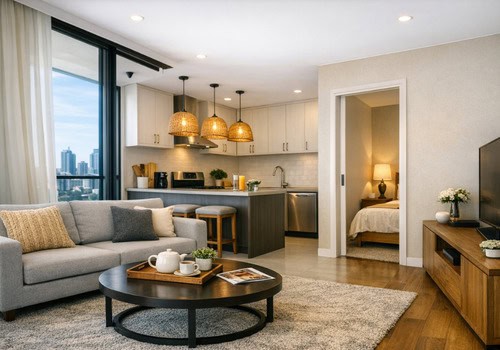
If you love the space and convenience of a home rental but want the reliability of a hotel, aparthotels are often the sweet spot.
You get:
For families, groups, and longer stays, they’re often the safest and most comfortable option.
VRBO (and its Australian brand, Stayz) tends to attract more professionally managed properties than Airbnb. While they don’t have official star ratings, they do have:
They’re not perfect — but they’re generally more reliable.
This is a complex topic, but here’s the balanced, evidence‑based view:
The impact varies by city, but many economists agree that large numbers of short‑term rentals can contribute to housing shortages and rising rents — especially in high‑demand areas.
It’s worth acknowledging this when choosing where and how you book.
Sometimes, yes. Sometimes, absolutely not.
The real question is:
What’s the purpose of your trip, and how much risk can you tolerate?
For:
…a professionally managed property or aparthotel is almost always the safer choice.
For:
…Airbnb can still be a great option — with the right precautions.
Travel should feel exciting, not stressful. Your accommodation should be a haven, not a gamble.
My weekend experience was a reminder — even for someone who works in travel every day — that platforms without standards or verification can be unpredictable.
If you want help choosing a property that’s safe, clean, reliable, and genuinely matches the photos, I’m here to guide you. There are fantastic options out there — you just need to know where to look, and what to avoid.





Certified South African Specialist
Cook Islands Holiday Specialist
CLIA
 Peace of mind


