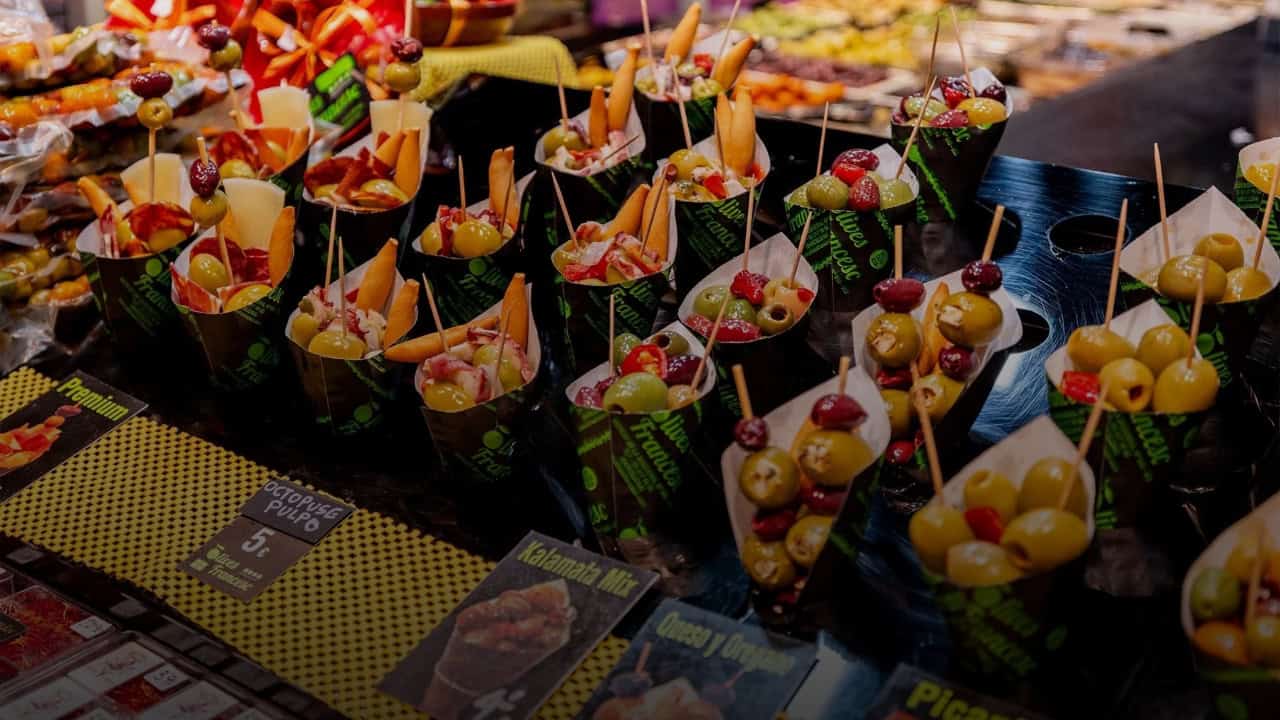
I remember arriving at a small café in Spain with a group of women after a morning spent walking through a historic village.
The stone beneath our feet had held the afternoon sun. We were ready for a drink, but not ready to leave the day behind. At the table, we ordered coffee and shared a wedge of cake dusted with icing sugar. It was simple, beautifully presented and exactly what we needed.
As we settled into our chairs, the conversation moved beyond where we had come from and where we were going next. We began talking about the village, the buildings around us and the traditions that had shaped the region. The cake became part of the conversation. So did the rhythm of the café, the way people greeted one another and the fact that no one seemed in a hurry to finish.
That small table told us something a guidebook could not.
It showed us how the place felt to live in. It gave us a glimpse of the daily rituals that hold a community together. Most importantly, it created the space for connection, both within our group and with the place itself.
This is what draws me to European culinary experiences. Food is never only what arrives on the plate. It is a doorway into memory, landscape, family and belonging.
A guidebook can tell you that a region is known for olive oil, mountain cheese or a particular pastry. However, sitting at a table with someone who has grown, prepared or inherited those foods gives you a different kind of understanding.
You notice the details first, then you see how ingredients are handled. A story is shared about which recipe belongs to a grandmother, a village or a particular season. You learn why a meal is served at a certain time, why a dish is shared or why a particular drink is offered to guests.
In this way, food becomes a form of local knowledge.
A market visit can reveal what is in season and what people buy for their own kitchens. A cooking lesson can show you the gestures that no written recipe captures. A meal in a family home can introduce you to stories that have travelled through generations.
These experiences do not need to be elaborate. In fact, the most meaningful moments are often intimate and carefully chosen rather than grand.
A small producers’ table in Austria may tell you about the land, weather and patience required to make a regional speciality. A long lunch in Italy may show you the importance of gathering, generosity and conversation. A market in France may reveal how food connects the farmer, the cook and the neighbourhood.
That is the difference between tasting a destination and beginning to understand it.
Many travellers arrive with lists of restaurants, attractions and places they feel they should visit. There is nothing wrong with enjoying a celebrated restaurant. Yet a rating cannot tell you whether an experience will feel meaningful to you.
You may prefer a family-run kitchen to a formal dining room. You may want to meet the person who makes the cheese rather than simply order it from a menu. Perhaps you would enjoy a long lunch with other women, where the conversation becomes as memorable as the meal.
For me, the most important question is not whether a restaurant has a particular number of stars. It is whether the experience creates a genuine sense of place.
That may come through:
These are the details I look for when I curate European culinary experiences. I consider who you will meet, how the experience will feel and whether it reflects the way you like to travel.
If sleep debt, decision fatigue or the habit of being needed has left little room for meaningful planning, you can book a 30-minute travel discovery consultation with me. We can talk about the places, flavours and connections you would genuinely value.
A shared table has a quiet way of changing the relationship between people.
You may arrive as strangers, each carrying your own expectations and experience. Then someone pours the wine, passes the bread or asks a simple question about home. Gradually, the conversation opens.
This is especially powerful for women travelling in their fifties and sixties. Many are confident, experienced travellers, but they are no longer interested in collecting destinations simply to say they have been there. They want depth. They want to learn, to laugh, to listen and to feel part of something for a while.
A well-curated group can offer that sense of belonging without demanding constant performance. You can share a table with women who have different lives, careers and stories, yet still find common ground through food.
Sometimes the connection is unexpected. A conversation about a local dish may lead to a discussion about family, business, reinvention or the changes that come with midlife. A market visit may prompt memories of cooking with your own mother. A meal may become the story you tell long after the famous landmark has faded from memory.
The food provides the invitation. The people create the transformation.
When I plan an itinerary, I do not begin with a list of fashionable restaurants. I begin with you.
I want to understand what you are curious about, how you enjoy meeting people and what kind of atmosphere makes you feel comfortable. Some travellers love bustling markets. Others prefer a quiet table with a local host. Some enjoy learning a recipe, while others would rather listen to the story behind it.
I also consider the practical details that allow the experience to feel natural.
A culinary event scheduled immediately after landing may be perfect for one traveller and exhausting for another. You may be happy to begin exploring as soon as you arrive, or you may prefer a gentle first evening before a full day of markets and tastings. You may have dietary requirements, mobility considerations or a strong preference for smaller groups.
Those details matter.
For me, luxury travel means feeling understood, looked after and free from unnecessary decisions. It means knowing that the experience suits your energy, interests and way of moving through the world.
That is why I often combine food with another meaningful element:
The activity is the vehicle. The connection is the reason.
A few examples of what that can look like:
Dining with a local family in Italy. In Puglia or Tuscany, a family table offers what no restaurant can: the recipes, the rhythm and the stories of a household. A specialist operator such as Classic Puglia runs small-group food journeys through Puglia — market visits, masseria cooking, tastings with the producers of the region. For a more tailored journey, Abercrombie & Kent’s Puglia and the Amalfi Coast itinerary combines a stay in a traditional masseria near Fasano with trulli villages, the baroque streets of Lecce, bread-making in Matera and a private wine tasting on the slopes of Vesuvius. Either way, paired with time in the countryside, it becomes the evening your journey is measured by.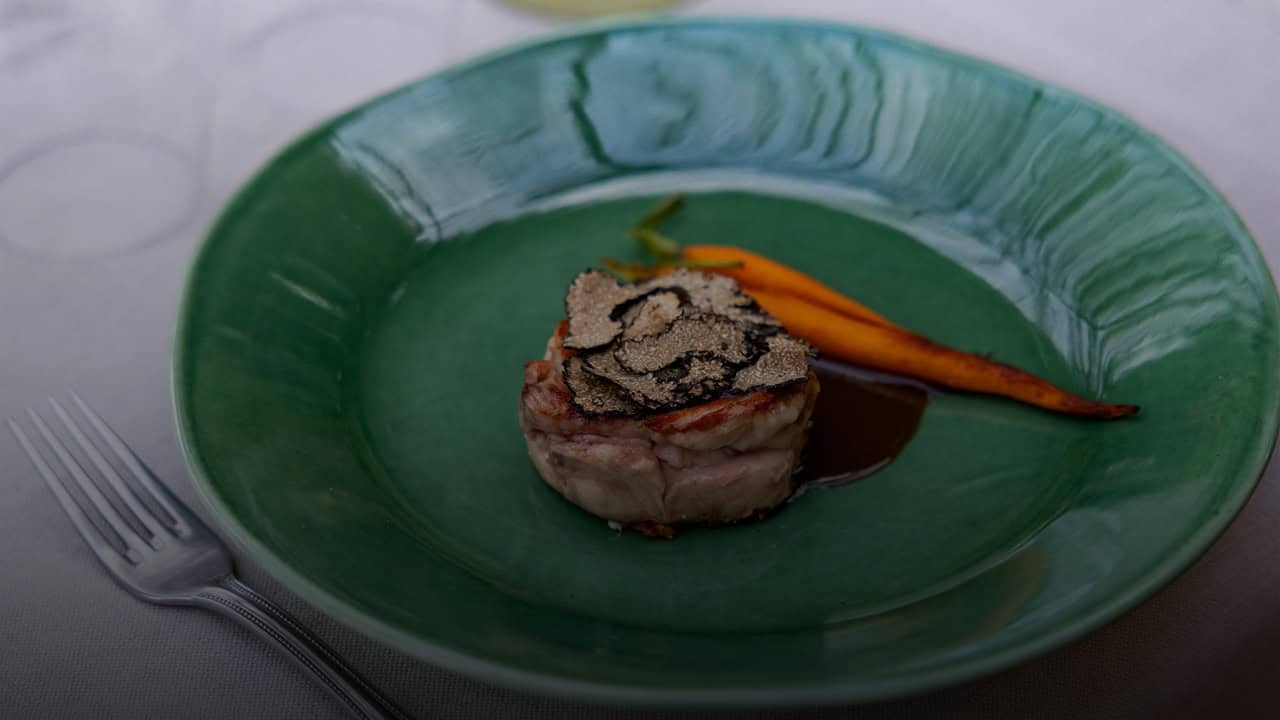
A culinary journey through France. Table Mouvant curates small-group food and wine voyages, from a week in Provence and the Luberon to the vineyards of Bordeaux and Burgundy. What makes them different is the access: the growers, the kitchens and the tables most travellers never reach.
A food adventure across Spain and Portugal. For travellers who like to eat their way through a country, an immersive route such as Intrepid’s Spain & Portugal Real Food Adventure moves from Barcelona’s markets and Basque pintxos bars to a farmstay dinner in the Basque Country, cooking classes in San Sebastian and Lisbon, and tastings in the Douro Valley. It suits women who want structure without formality, and company without performance.

Each of these can be tailored further, as part of a longer journey that also includes rest, nature and time to simply enjoy being there.
The most memorable meals are rarely remembered only for their ingredients.
You remember the warmth of the host, the sound of glasses touching the table, the woman who told you about her grandmother’s recipe or the guide who introduced you to a producer by name.
You remember how the experience made you feel.
That is also why I see a natural connection between this philosophy and my earlier reflection, Slow Down to Level Up. The subject here is not slowing down for its own sake. It is choosing experiences that allow you to be fully present with the place and the people in front of you.
When I design immersive European food journeys, I look for the moments that will remain with you when you return home. Perhaps you will recreate a dish or you will remember a conversation or you will find yourself looking at your own table differently.
If you would like to explore a journey shaped around food, culture and meaningful connection, schedule a 30-minute consultation with me. Together, we can consider the kind of table that would make your next journey feel personal.
A destination becomes more vivid when you meet the people who give it character.
So, when you think about your next journey, you might ask yourself a different question. Not simply, “Where should I eat?” but, “Who would I like to meet, and what would I like to understand?”
If you are carrying sleep debt, decision fatigue or the habit of being needed by everyone else, I invite you to begin with a 30-minute travel discovery consultation.
I will listen carefully, shape the possibilities and help you create a journey where food becomes a meeting point for culture, memory and conversation.
Because sometimes, the most revealing guide to a place is not a monument, a museum or a page in a book. It is a seat at the table, waiting for you.


Canada Specialist
Vanuatu Specialist
Prom Peru Specialist
Master of Japan Travel
New Zealand Gold Specialist
Vancouver Specialist
Tassie Specialist
National Geographic Journeys Specialist
 Peace of mind