There was a specific kind of silence I found at 7:00 AM on a dusty trail in Northern Spain. It was layered with the scent of eucalyptus, the distant chime of a chapel bell, and the rhythmic, grounding “thwack-crunch” of walking poles meeting the earth. For me, that silence was more than the absence of noise. It was a luxury. It was the sound of my nervous system finally softening.
Walking 114km on the Camino de Santiago was not tidy, elegant or especially polished. It was sweaty, sore, unexpectedly funny, and far more emotional than I had prepared for. But somewhere inside that physical effort, something essential became clearer. The walk reminded me that true luxury is not always about comfort. Sometimes it is about space. Space to think, to feel, to notice what has been drowned out, and to come back to yourself without interruption.
What stayed with me most can be gathered into three themes: the gift of presence, the power of solo-but-social connection, and the steady work of walking with grief.
The Camino has a way of removing the usual distractions. I walked the entire 114km without music or podcasts, just listening to my own breath, the gravel underfoot, the wind moving through the trees, and whatever thoughts rose to the surface when I stopped trying to outrun them.
It was wonderfully simple and slightly exposing. There is nowhere to hide when there is no soundtrack.
That, I realised, was part of the gift. Presence is not always soft or immediately comfortable. Sometimes it arrives through physical discomfort, through tired legs and sore feet, through the quiet insistence to stop performing and simply pay attention. The trail did not ask me to be impressive. It asked me to be honest.
Somewhere between the first few kilometres and the moments when fatigue stripped everything back to basics, I could feel the reset beginning. Not because I had found answers to every question, but because I had finally created enough space to hear myself properly.
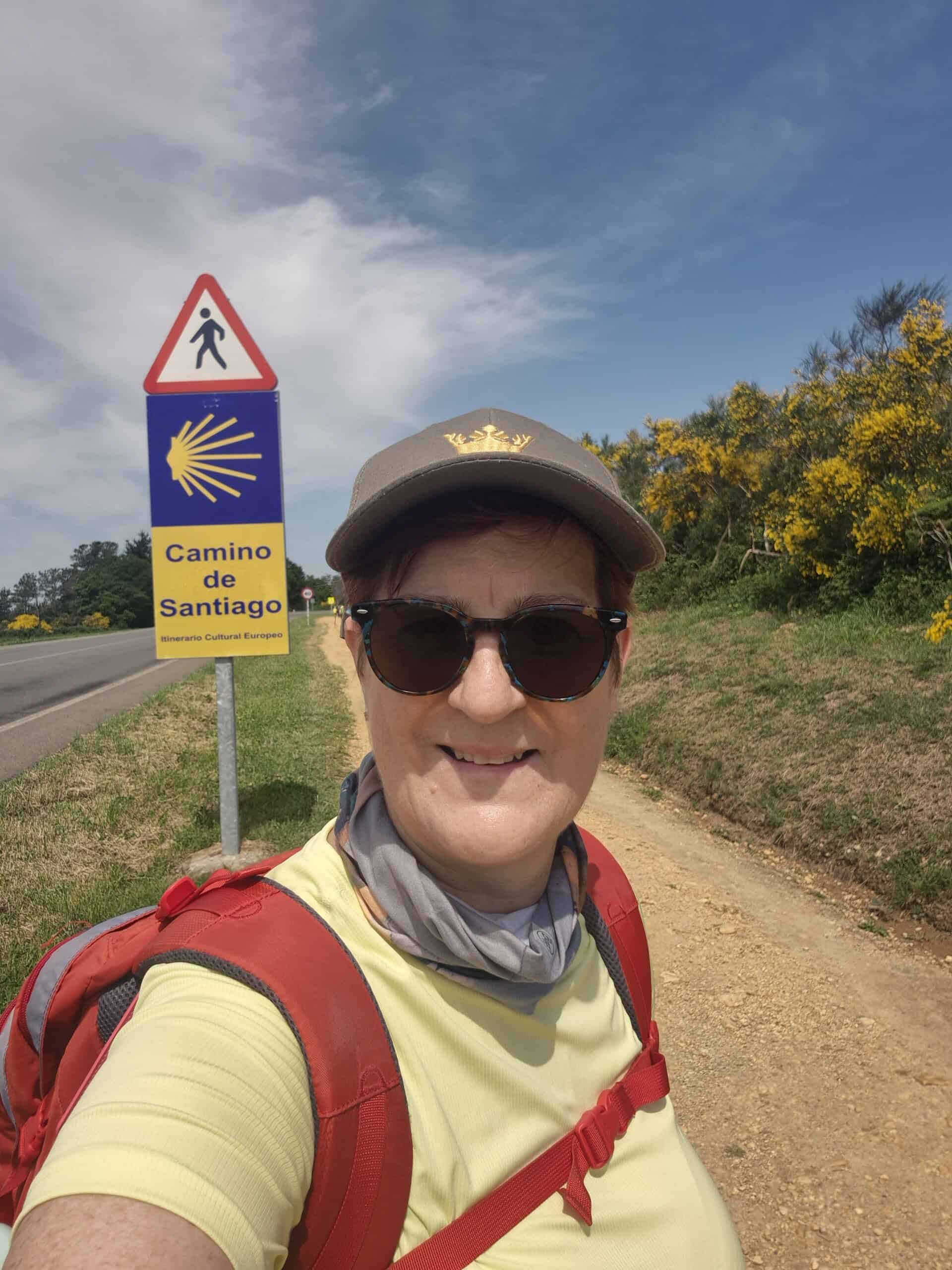
On the Camino
One of the most restorative aspects of the experience was the balance between solitude and belonging.
During the day, I had my own space and my own pace to enjoy the luxury of silence. That independence mattered. It allowed the walk to be deeply personal, shaped by my own rhythm and reflections rather than by noise or obligation.
And then there were the evenings, and the women.
The solo-but-social model worked exactly as I had hoped. After a day spent inside my own thoughts, I returned to conversation, laughter, candour and that rare comfort of being with people who do not require you to translate yourself. There was ease in it. No performance, no pressure, just genuine connection.
For many women, especially those used to carrying responsibility in business, family life or both, that combination is incredibly nourishing. Time alone can be clarifying. Time in the right company can be equally healing. The Camino offered both.
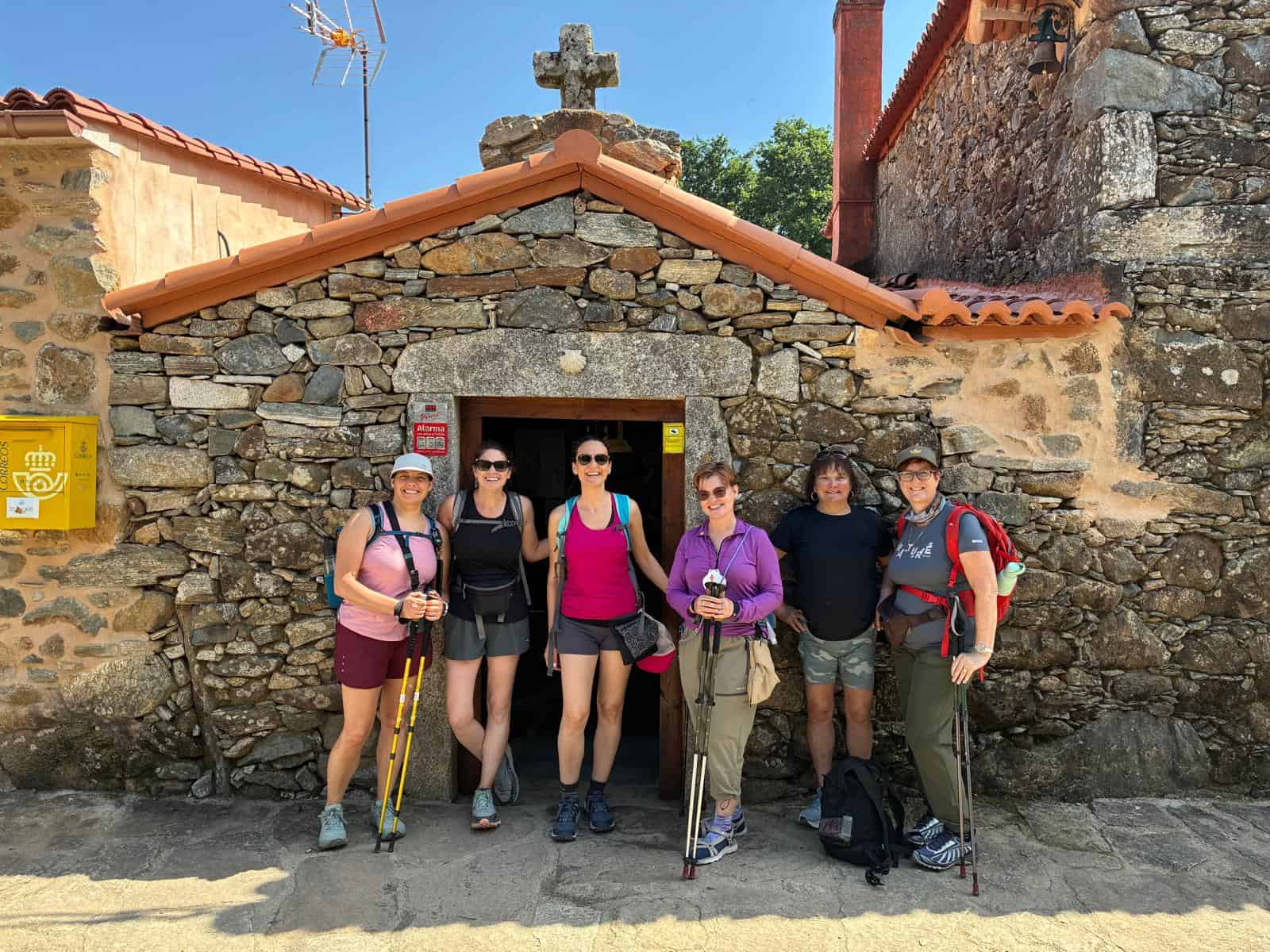
My Walking Tribe
That balance, between inner quiet and shared experience, became one of the most memorable parts of the journey for me.
The Camino also gave me room to walk with grief.
The loss of both my parents in 2025 changed the landscape of my life. I did not go to Spain expecting a walking journey to resolve that, and thankfully the Camino did not ask me to turn grief into a project or a lesson too quickly wrapped up. It simply gave me room to carry it honestly.
There were moments on the trail when resilience looked far less glamorous than people might imagine. It was not triumph. It was not some cinematic breakthrough. Often, it was just the next step. And then the next one. Feet, breath, water, repeat.
That kind of grit is not loud, but it is deeply revealing. When you are tired enough, the fluff falls away. What remains is useful. What remains is true. I stopped asking the walk to be meaningful in a neat, quotable way and let it be hard when it was hard. Oddly, that was where some of its deepest value lived.
By the time I arrived in Santiago, standing in front of the cathedral, I felt the emotion of finishing, of course. But what surprised me was how intimate the moment felt. Less dramatic ending, more quiet recognition. After 114km of walking, thinking, resisting, softening and carrying on, I had reached the cathedral. But I had also reached a gentler, more honest relationship with myself.
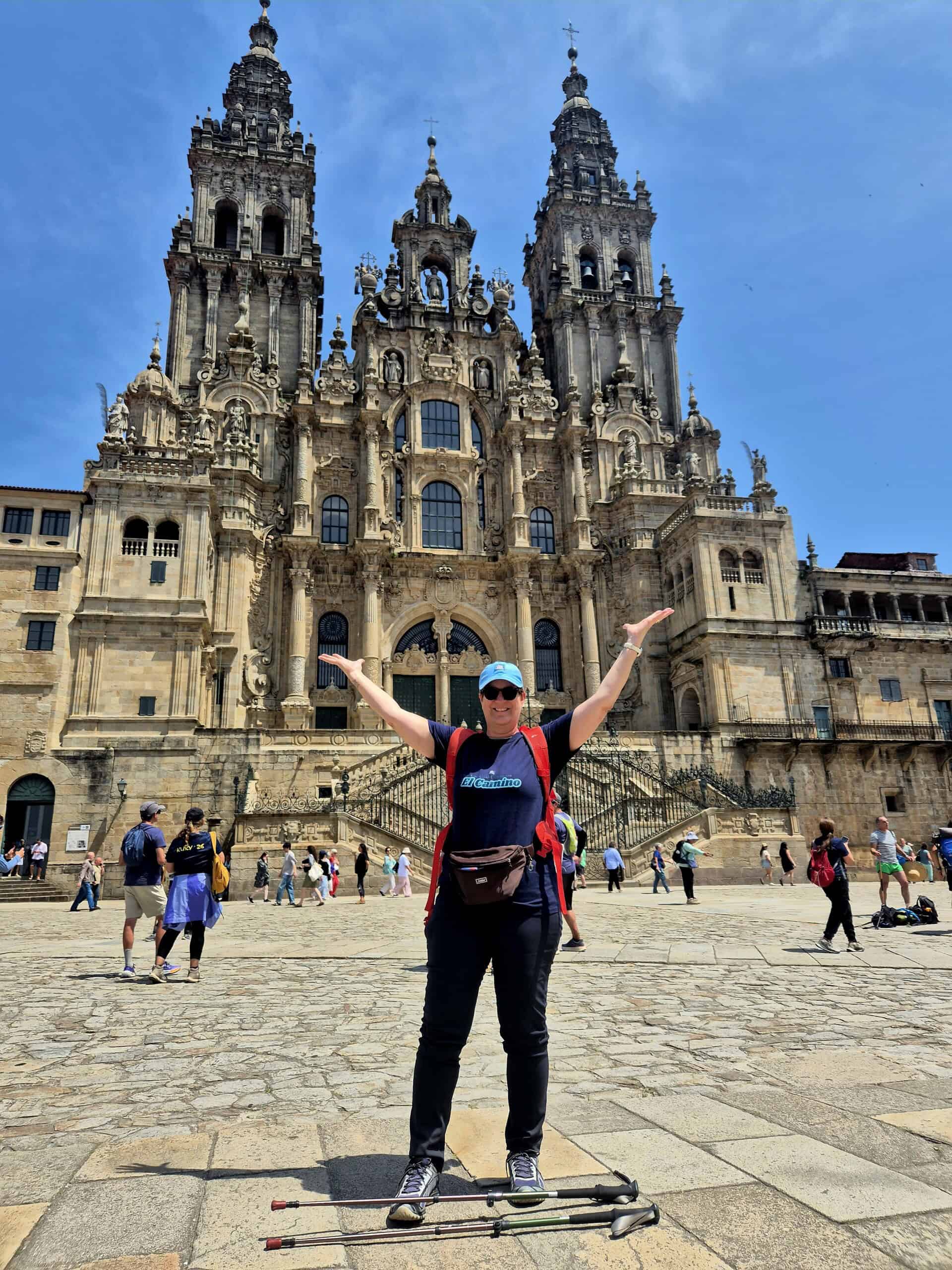
Cathedral of Santiago de Compostella
The real work of the Camino Reset began after I unpacked my bag.
Walking gives you clarity. Real life then immediately tries to crowd it out with emails, errands, deadlines and whatever fresh nonsense modern life has queued up for you. So the question became: how do I keep what the walk gave me?
For me, it came down to eight pillars of integration:

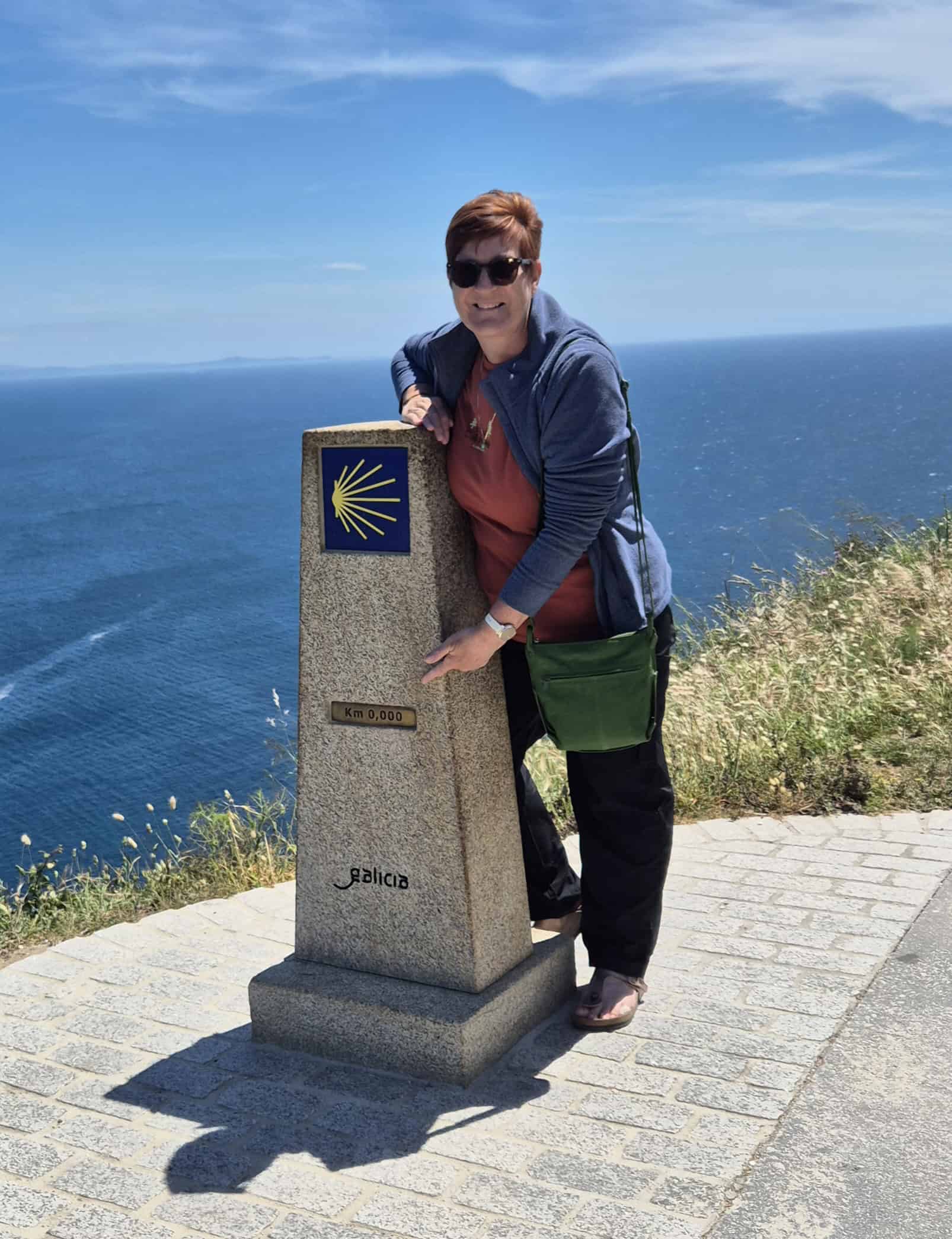
KM 0.000 – at Finisterra
That is the part of the Camino people do not always talk about enough. You do not just finish it and move on. If you let it, it keeps walking with you.
For me, that has been the real gift of the Camino. Not simply the accomplishment of 114km, but the way it continues to shape how I live, how I listen, and how I travel forward.
I am now accepting expressions of interest for my next guided journey in May 2027.
Subscribe to my travel newsletter for more details on upcoming webinars and booking information to be released shortly.


Canada Specialist
Vanuatu Specialist
Prom Peru Specialist
Master of Japan Travel
New Zealand Gold Specialist
Vancouver Specialist
Tassie Specialist
National Geographic Journeys Specialist
 Peace of mind