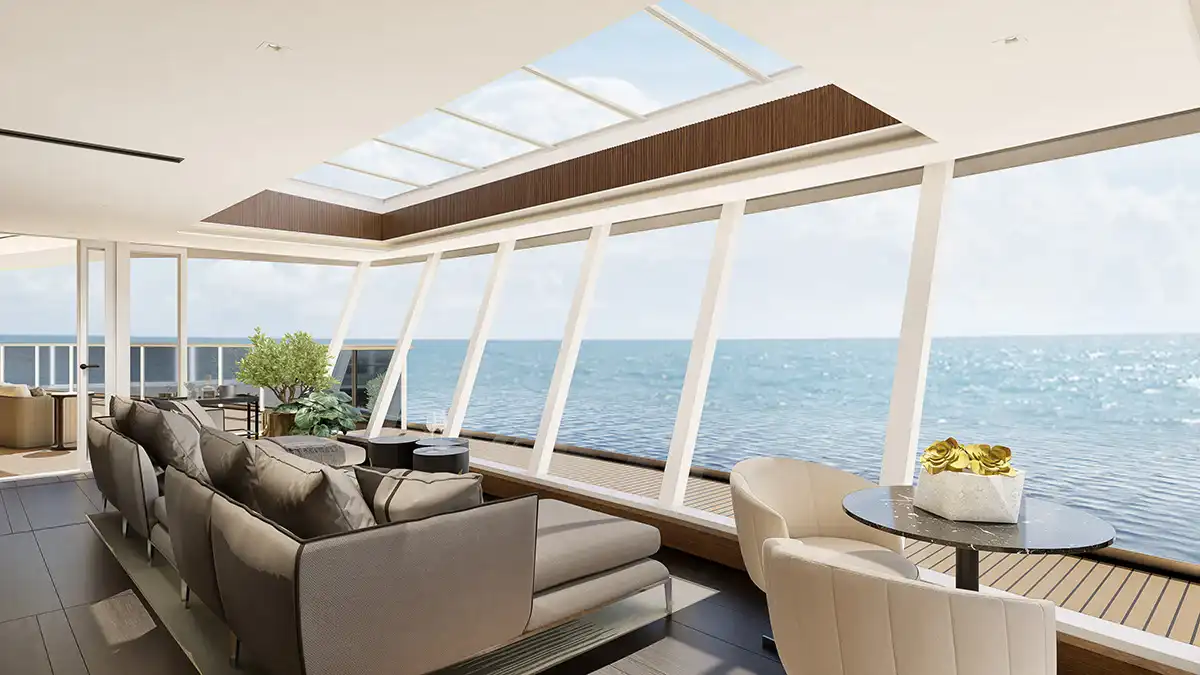
In today’s experiential travel market, ultra-luxury cruising has reached unprecedented levels. The most exclusive suites at sea now command rates of USD $25,000 per night or more — positioning them alongside private villas, superyacht charters, and presidential hotel residences.
Leading this evolution is Regent Seven Seas Cruises, whose upcoming vessel, Seven Seas Prestige, will feature one of the largest and most extravagant cruise accommodations ever built.
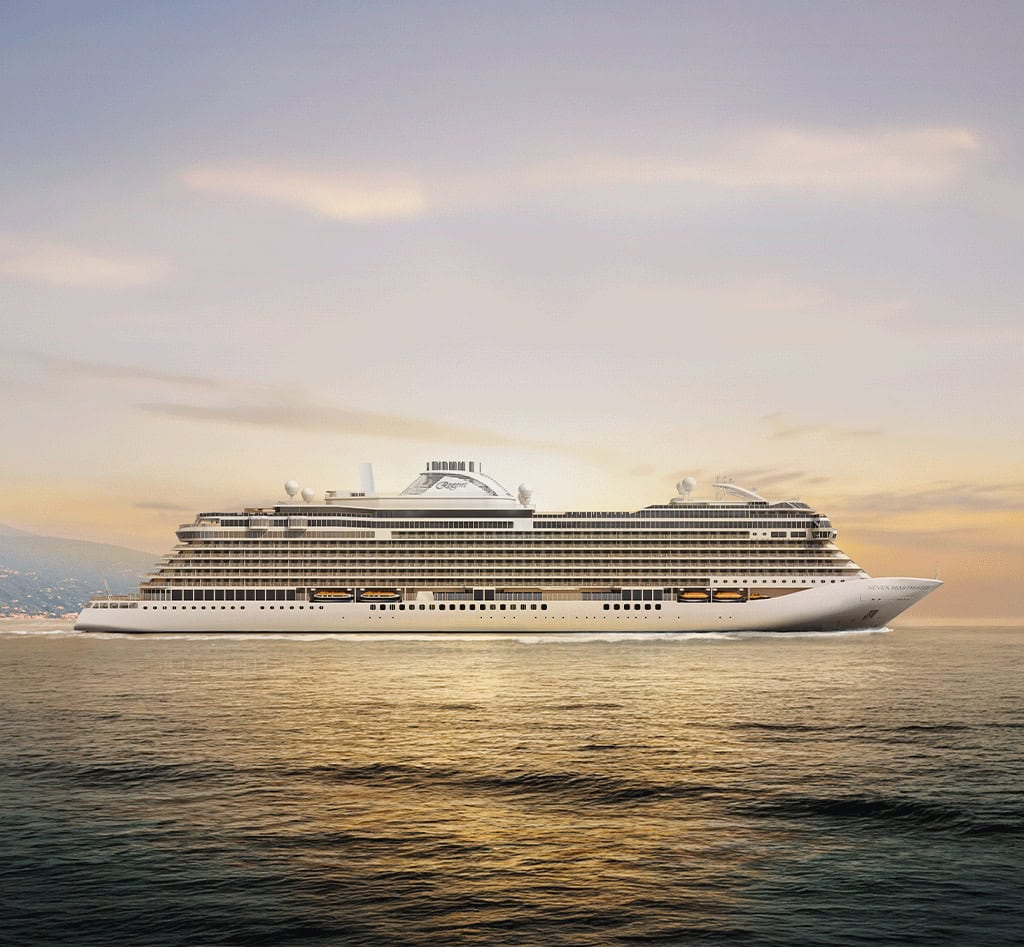
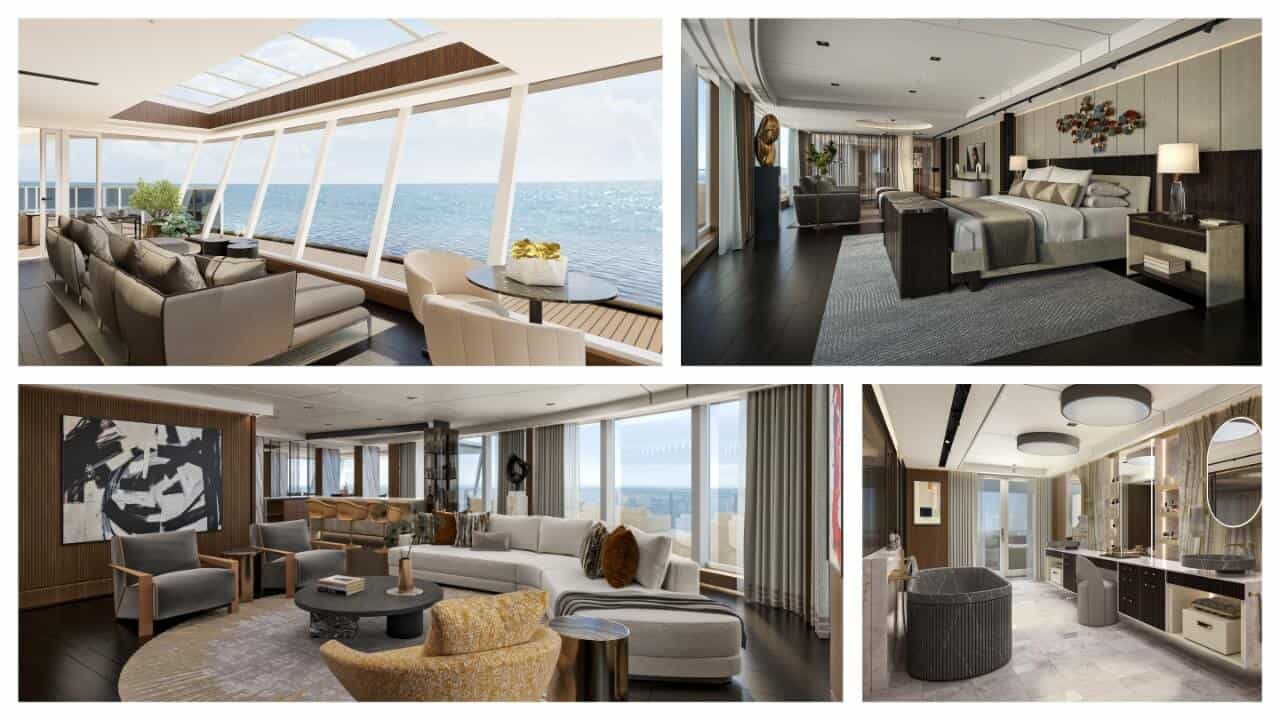
The flagship Skyview Regent Suite spans approximately 8,800 square feet across two levels — larger than many luxury homes.
Designed to host up to six guests, the residence includes:
Two expansive bedrooms
Two-and-a-half marble bathrooms
A private gym and sauna
A dedicated massage room
A formal dining room and enclosed bar
A wraparound terrace exceeding 3,700 square feet
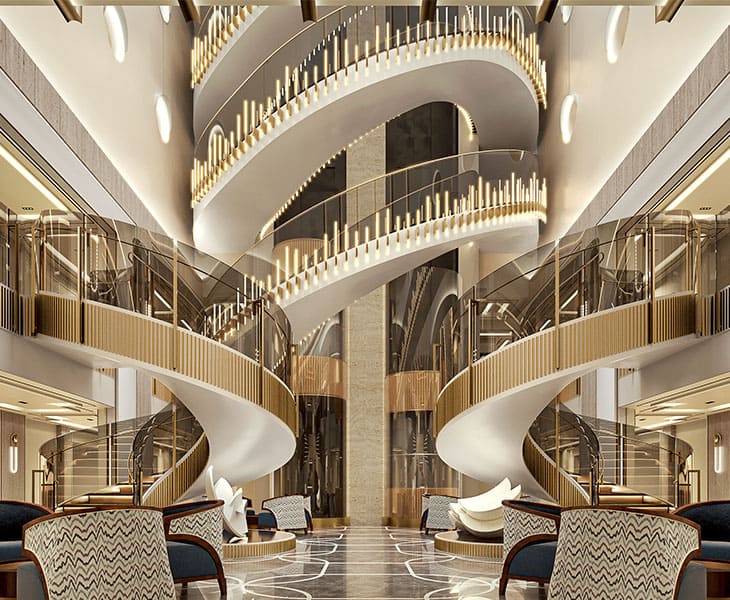
A private in-suite elevator and sculptural staircase
With floor-to-ceiling glass framing uninterrupted ocean views, the aesthetic leans toward refined European minimalism, custom furnishings, and architectural detailing reminiscent of a private superyacht rather than a traditional cruise cabin.
At this level, the offering extends well beyond square footage. Guests receive an entirely curated experience, typically including:
A dedicated personal butler and 24/7 concierge
Unlimited in-suite gourmet dining, premium wines, and Champagne
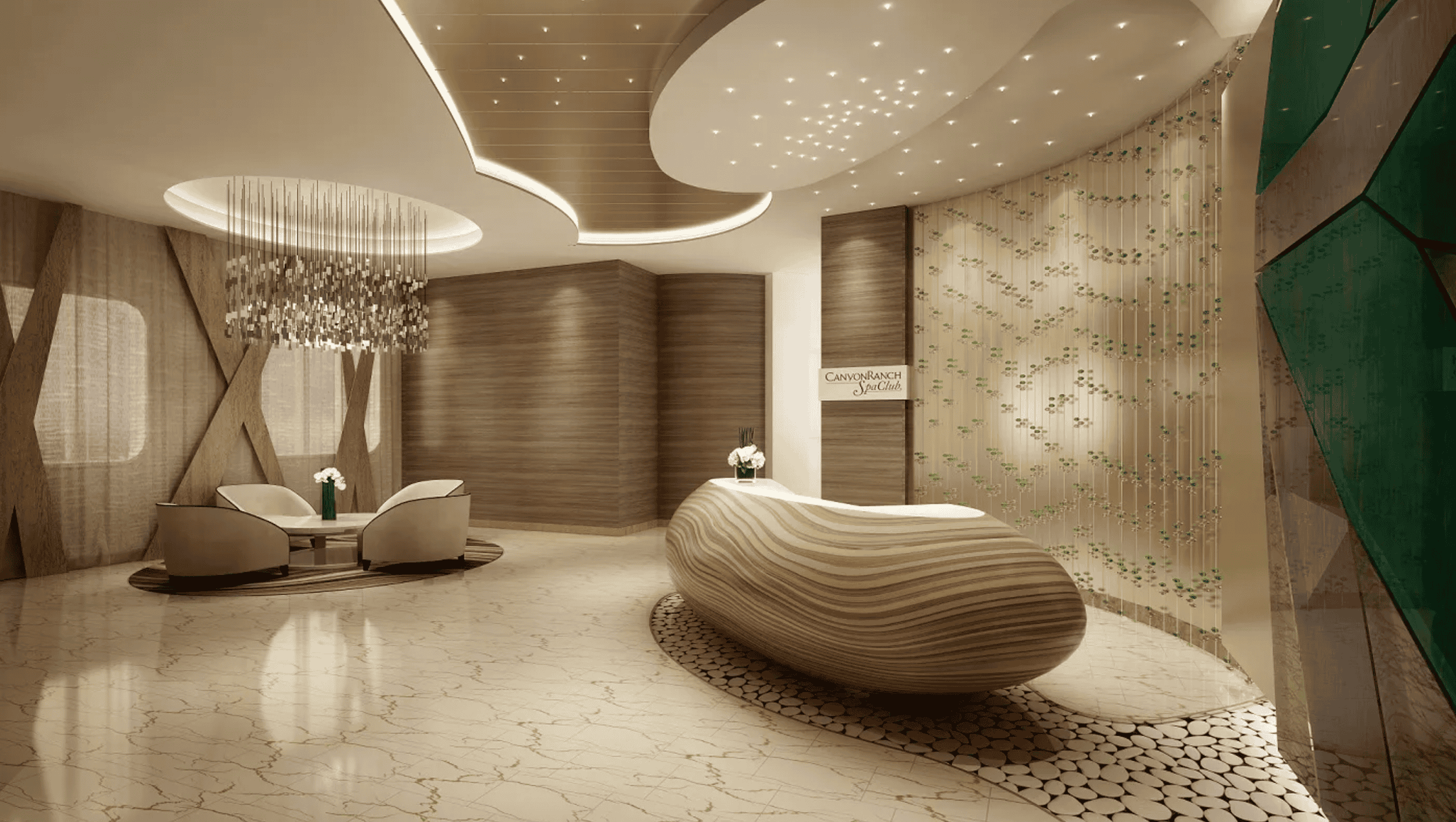
Daily spa treatments and wellness access
Private transfers and priority embarkation at ports
Unlimited laundry and valet services
The model is fully inclusive — designed to eliminate transactional friction. Everything is anticipated, discreet, and seamless.
Demand in the high-end cruise segment continues to grow, particularly among affluent travelers who value privacy, security, and mobility. The appeal lies in combining:
Residential-scale living space
Personalized white-glove service
Curated global itineraries
The convenience of unpacking once while visiting multiple destinations
Modern luxury ships increasingly blur the lines between boutique hotel, private yacht, and floating estate. For many high-net-worth travelers, this format offers both exclusivity and flexibility — the ability to explore without compromising comfort.
For most travelers, US$25,000 per night is extraordinary. Yet at the top tier of global wealth, the figure reflects a broader shift: travel is no longer simply about transportation or accommodation — it is about control, privacy, and elevated lifestyle integration.
At this level, ultra-luxury cruising is no longer competing with traditional cruise lines. It competes with chartered yachts, private aviation, and fully staffed estates.
And increasingly, it is defining its own category.




2018 TravelManagers Most Improved - NSW
2018 TravelManagers Most Improved - Nationally
2020 Wellness Travel Specialist training
 Peace of mind