I know everyone says that about travel, but Africa is different. It’s not a “one day” destination. It’s a “do it while you can fully experience it” destination.
Because this trip changed the way I look at travel completely.
My Tanzania safari was unlike anything I’d ever experienced. I’d travelled to more than 90 national parks across the USA, but nothing prepared me for the wildlife, landscapes and unforgettable moments waiting for me in Tanzania.
It is raw. It is real. It is dusty, bumpy, emotional, beautiful, overwhelming and unforgettable all at once.
And if I’m honest… I was nervous before I went.
What about Ebola ?
That was one of the first questions people asked me when I told them I was going on a Tanzania Safari.
Then came:
“Aren’t you worried about the animals?”
“Is it safe?”
“I’d love to go… but I don’t know if I could.”
If I’m honest, I had some of those same thoughts before my first Tanzania Safari experience.
Now, after spending nearly two weeks travelling through Tanzania, I can honestly say it was one of the best travel experiences of my life.
The reality is, when something is unfamiliar, your mind fills in the gaps.
But once I arrived in Tanzania, those fears disappeared very quickly.
What replaced them was something I didn’t expect…
A complete sense of awe.
Not just at the wildlife—but at the scale of everything.
The landscapes. The skies. The silence. The people. The rawness of it all.
Because of flight disruptions at the time, my journey was long.
Port Macquarie → Sydney → Bangkok → Addis Ababa → Kilimanjaro.
It felt like I was travelling to the edge of the world.
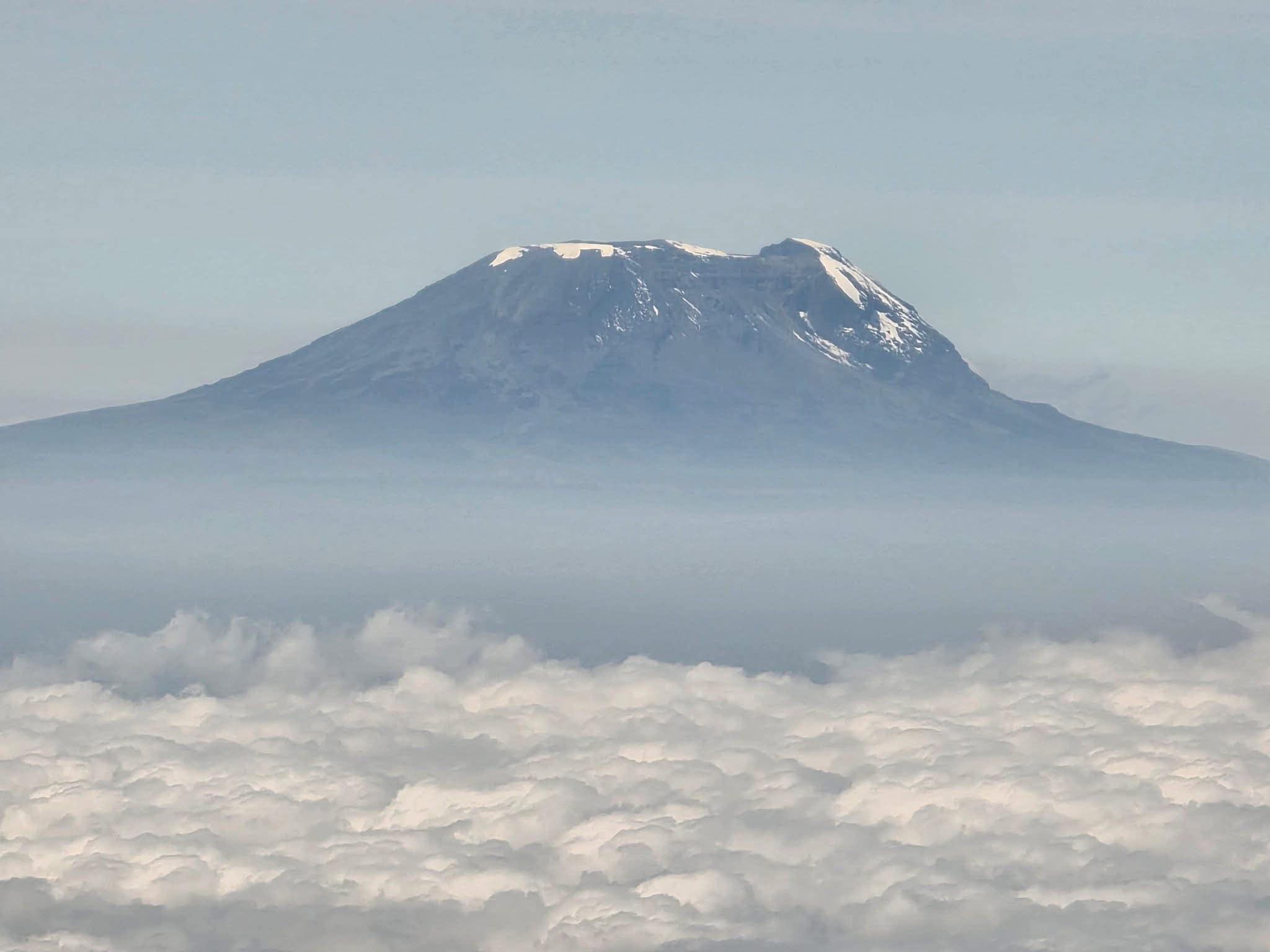
But I’ll never forget that moment when I first saw Mount Kilimanjaro from the plane.
That’s when it hit me.
I was finally in Africa.
Packing for a Tanzania safari was nothing like any other trip I’ve done.
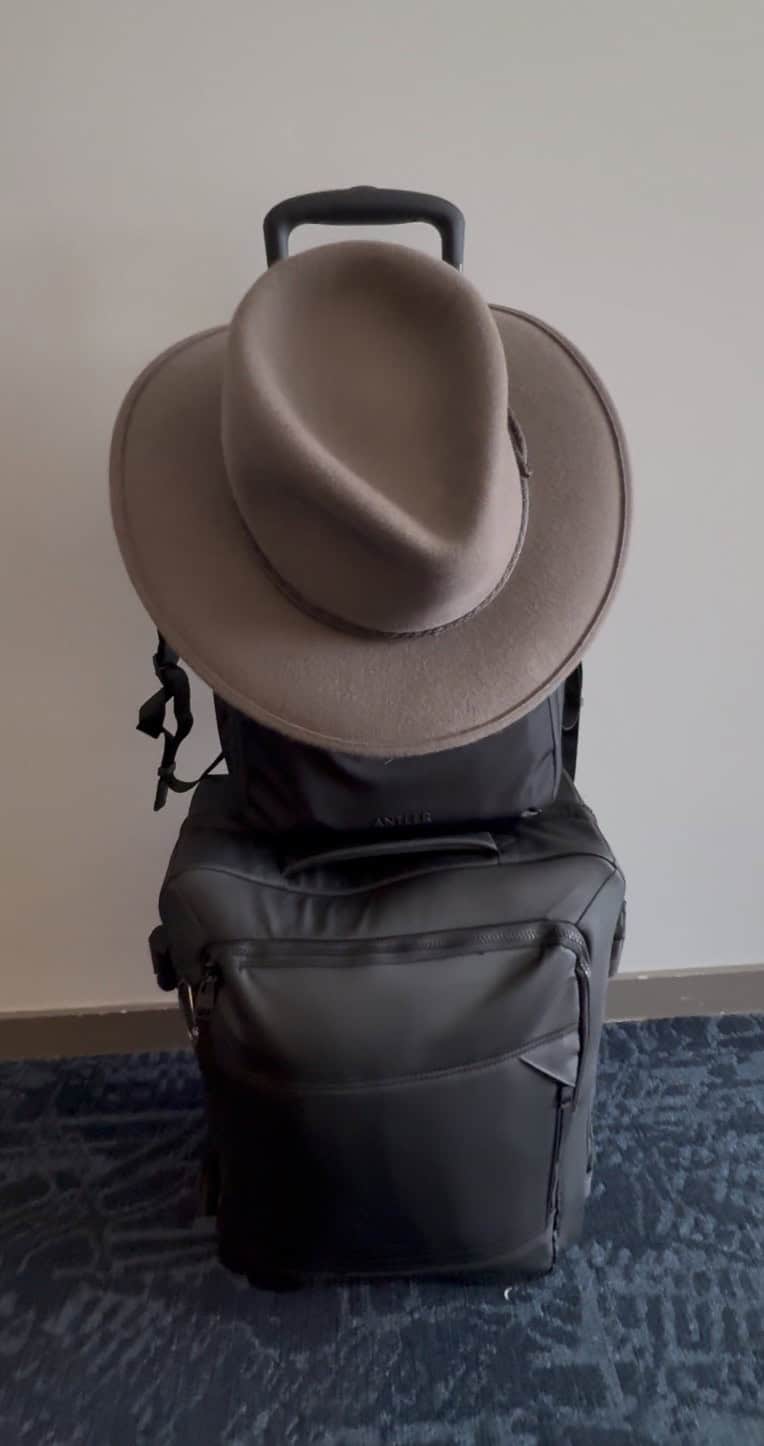
The first surprise was the luggage limit — just 15kg on small aircraft between camps. That forces you to think very differently about what you actually need.
A soft-sided duffel bag is essential. Hard suitcases just don’t work well in safari vehicles or small planes. They’re awkward, bulky, and make transfers harder than they need to be.
Then came the clothing.
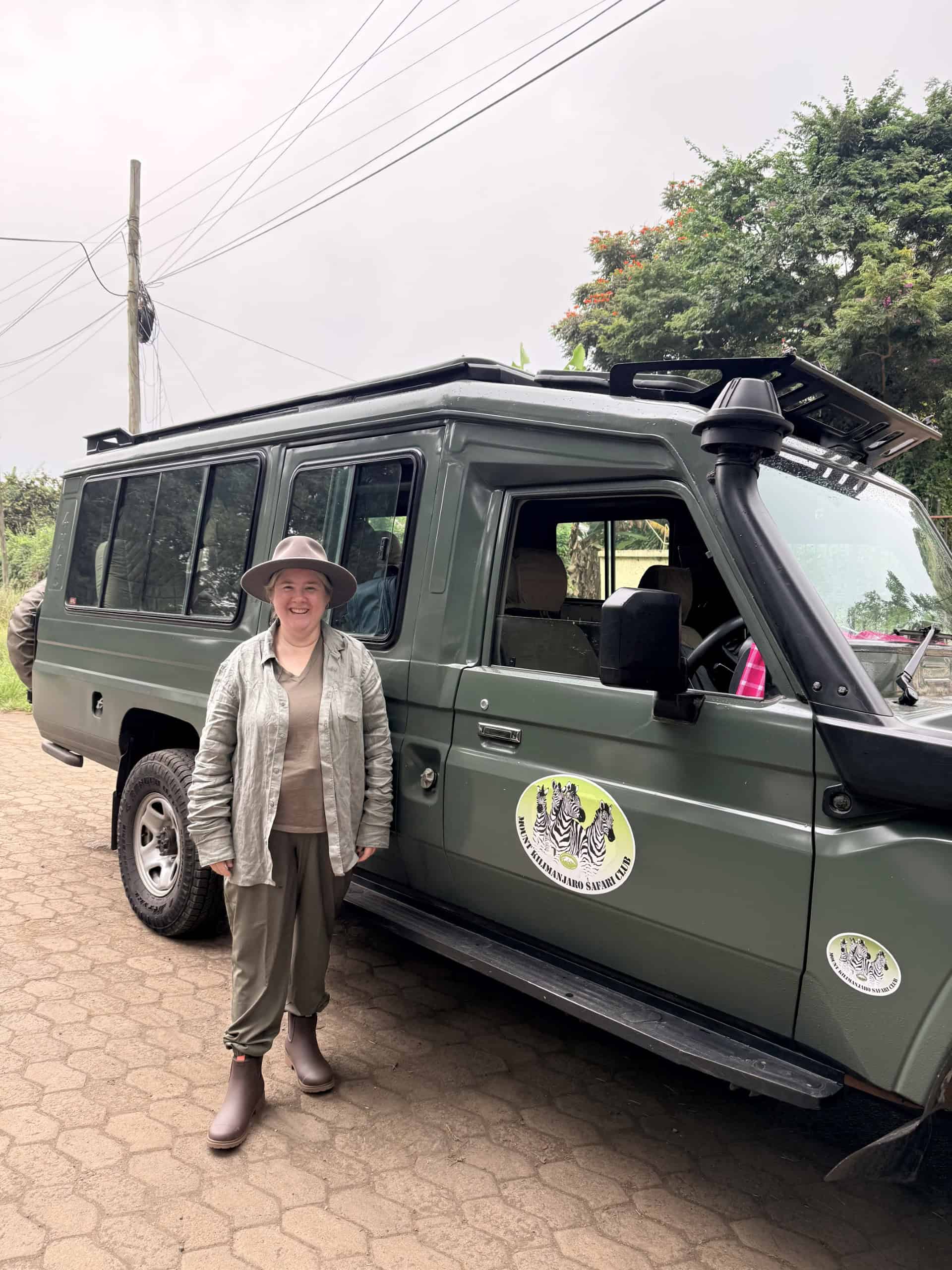
I quickly realised my usual wardrobe wasn’t going to cut it, so I found myself buying khaki, beige, olive and brown.
Not exactly my normal style, but it works perfectly on safari.
There’s a practical reason for it too.
The earthy colours don’t just blend into the environment — they also help reduce how much you attract certain insects, and they disguise the constant layer of dust that ends up on everything.
And trust me… the dust is constant.
Less is more on safari.
A soft bag makes your life easier.
Neutral colours aren’t a style choice — they’re a practical decision for comfort, dust and insects.
Black, navy and bright blue are best avoided.
Not because of fashion rules — but because of tsetse flies.
Before this trip, I’d never even heard of them.
After this trip… I definitely have.
Yes, they’re real. And yes, their bites hurt.
They’re attracted to certain colours, which is why wearing earthy tones like khaki, beige and olive actually makes a difference.
It’s not just about blending in for photos — it genuinely helps reduce how often you get bitten, especially in more remote areas.
And honestly… once you’ve had one bite, you don’t forget it.
Our first night in Tanzania was at Mount Meru Game Lodge.
And what a beautiful introduction it was.
The gardens were lush and full of life. The lodge also cares for rescued animals, which was such a surprise.
But the moment I’ll never forget?
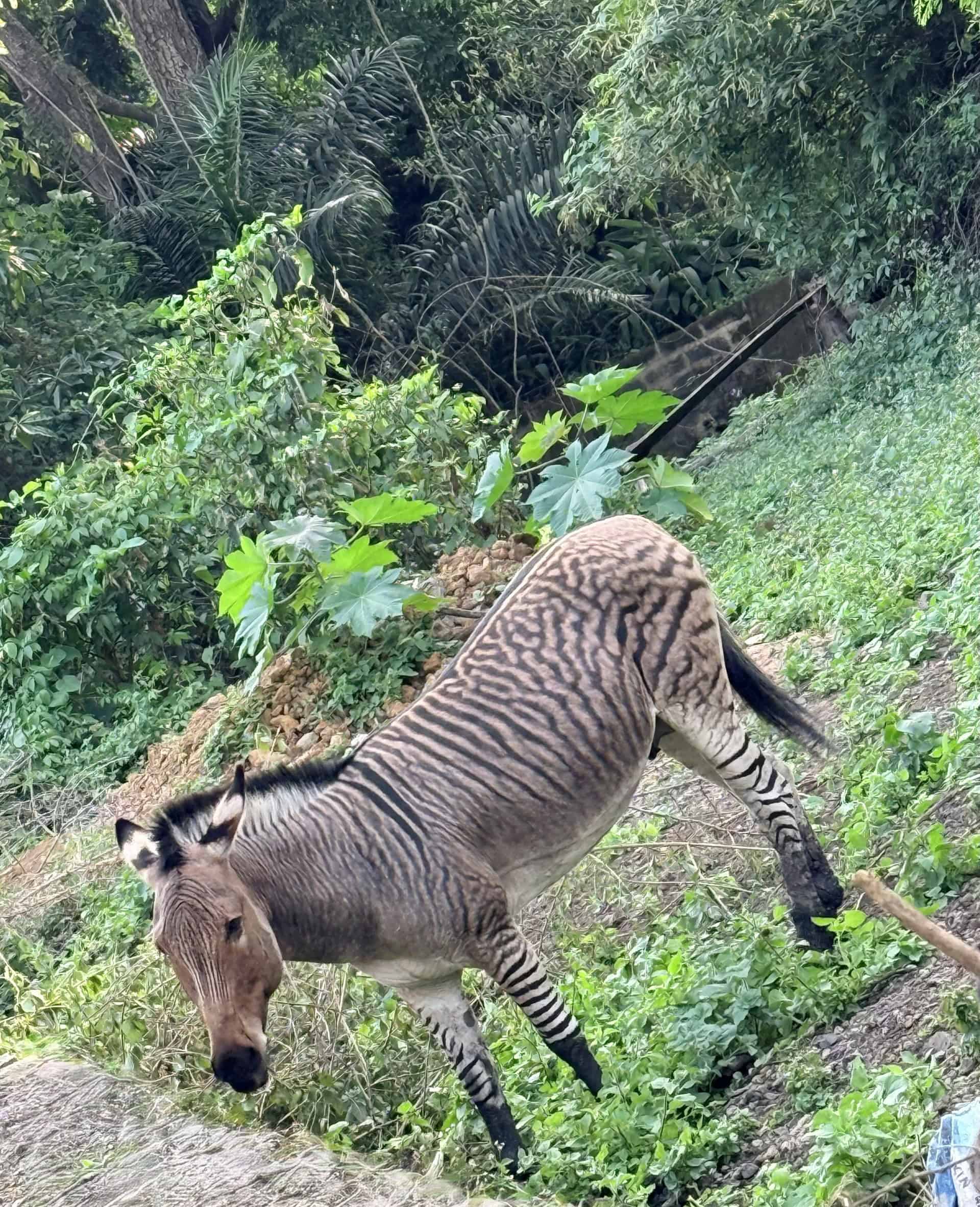
A zonkey.
Yes—a zebra donkey hybrid.
I had never seen anything like it before.
There were monkeys, peacocks, ducks, birds everywhere… it already felt like we were in the wild before even entering a national park.
After a long journey, a hot shower and comfortable bed felt incredible.
But I knew this was just the beginning.
The next morning, we set off for Tarangire National Park.
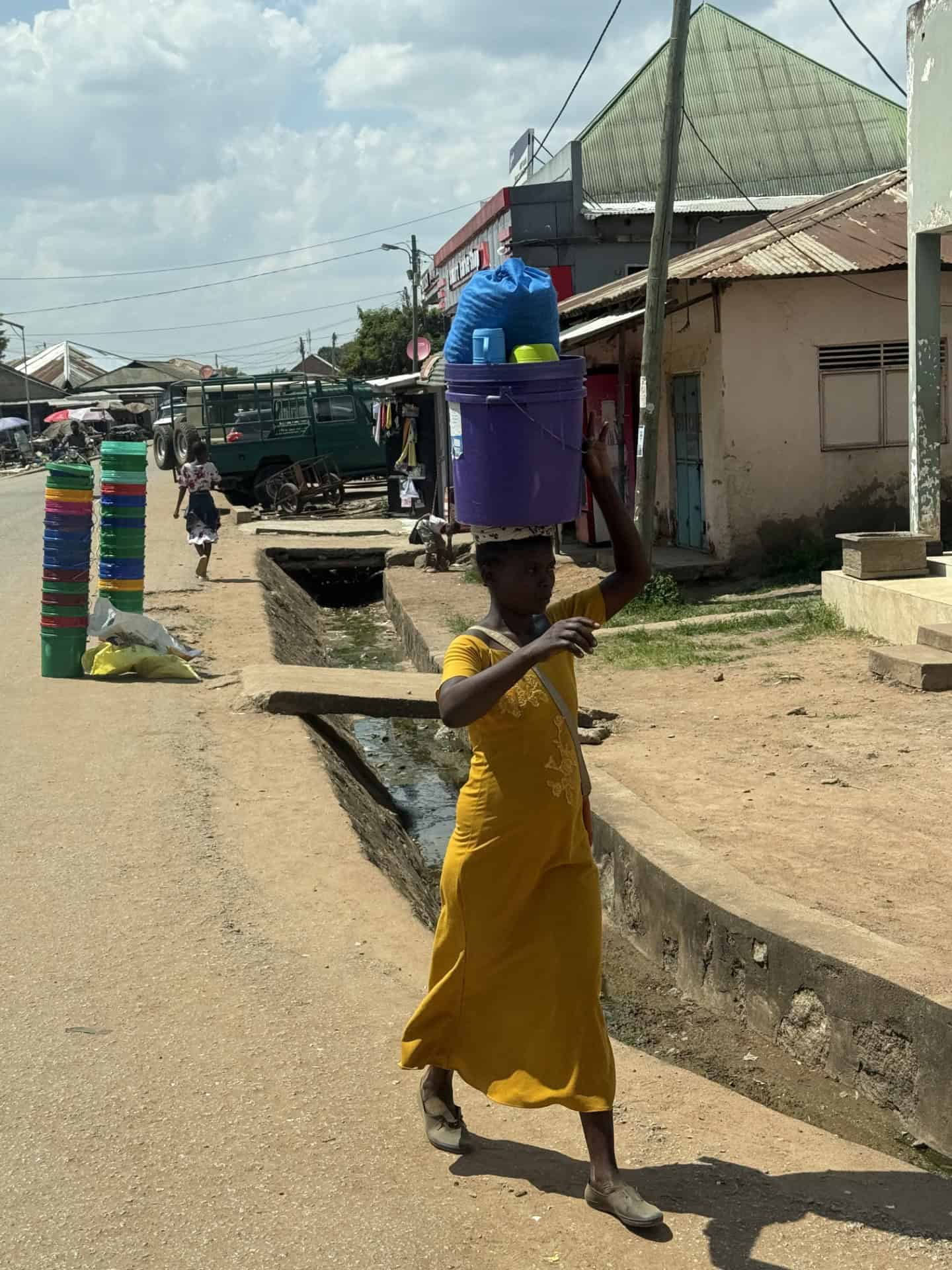
Even before entering the park, life in Tanzania was fascinating.
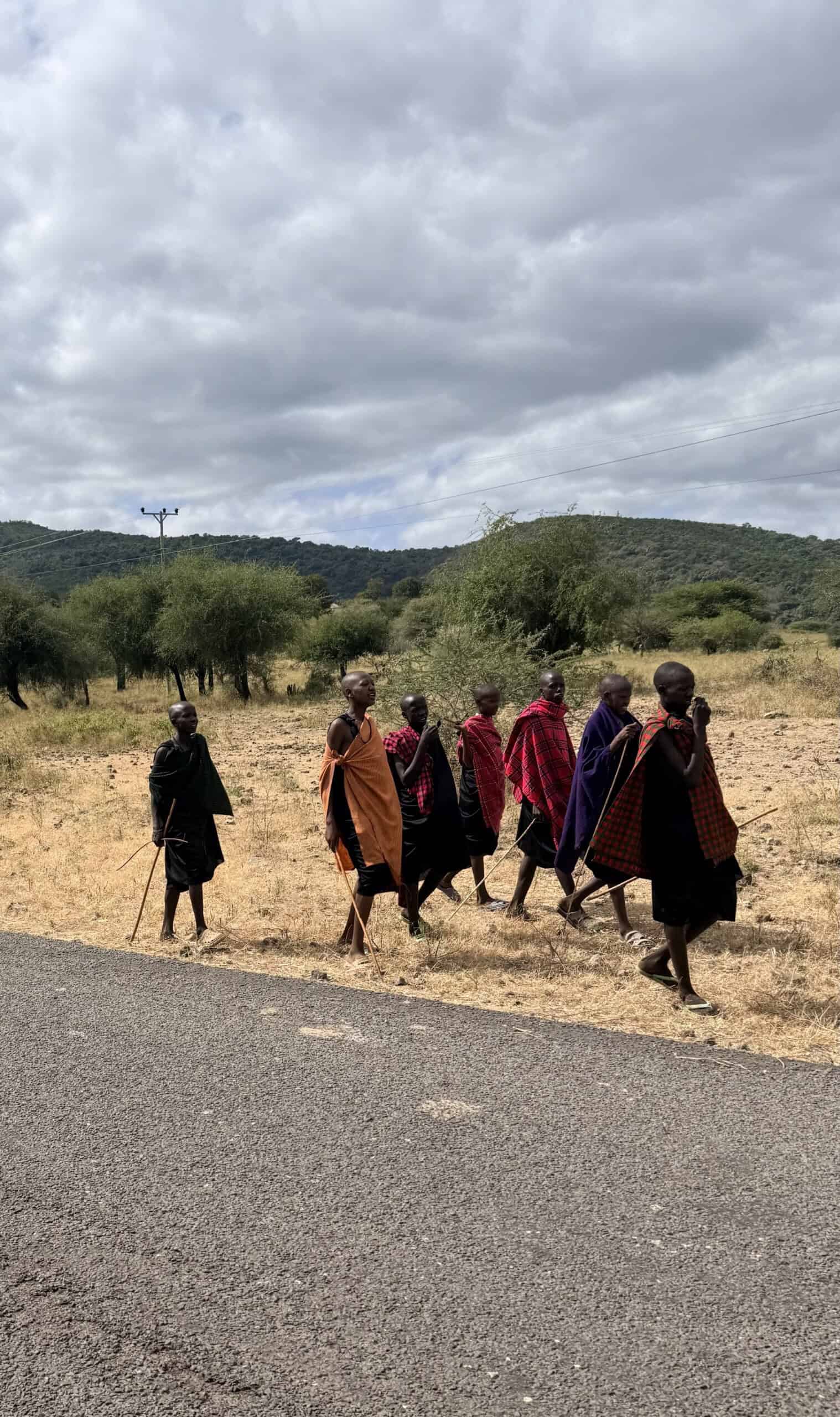
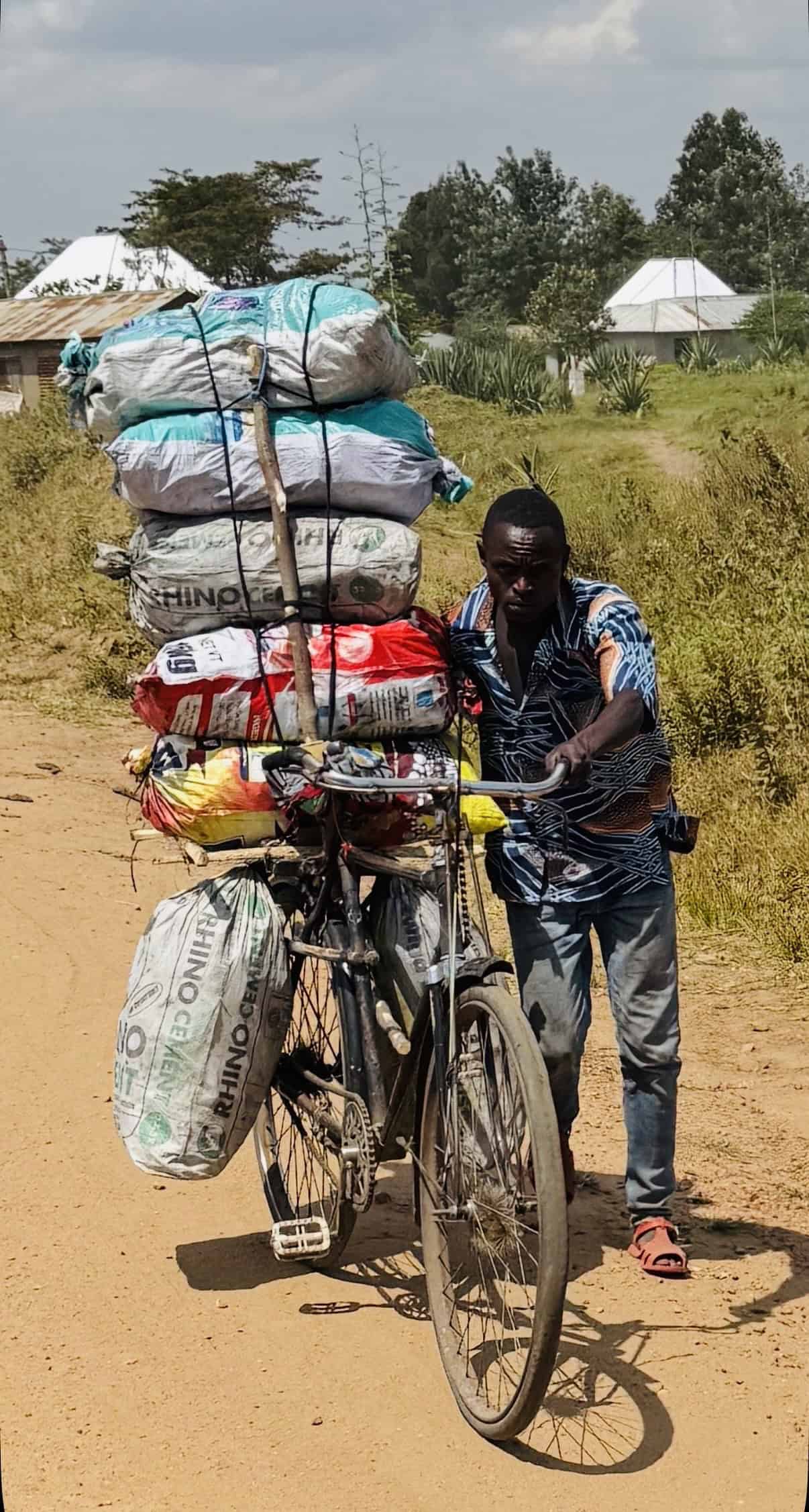
Goats and donkeys walked freely along the roadside. Children herded animals without fences. The main highway even had speed bumps through villages.
Everything felt different.
Then we entered the park.
And within minutes…
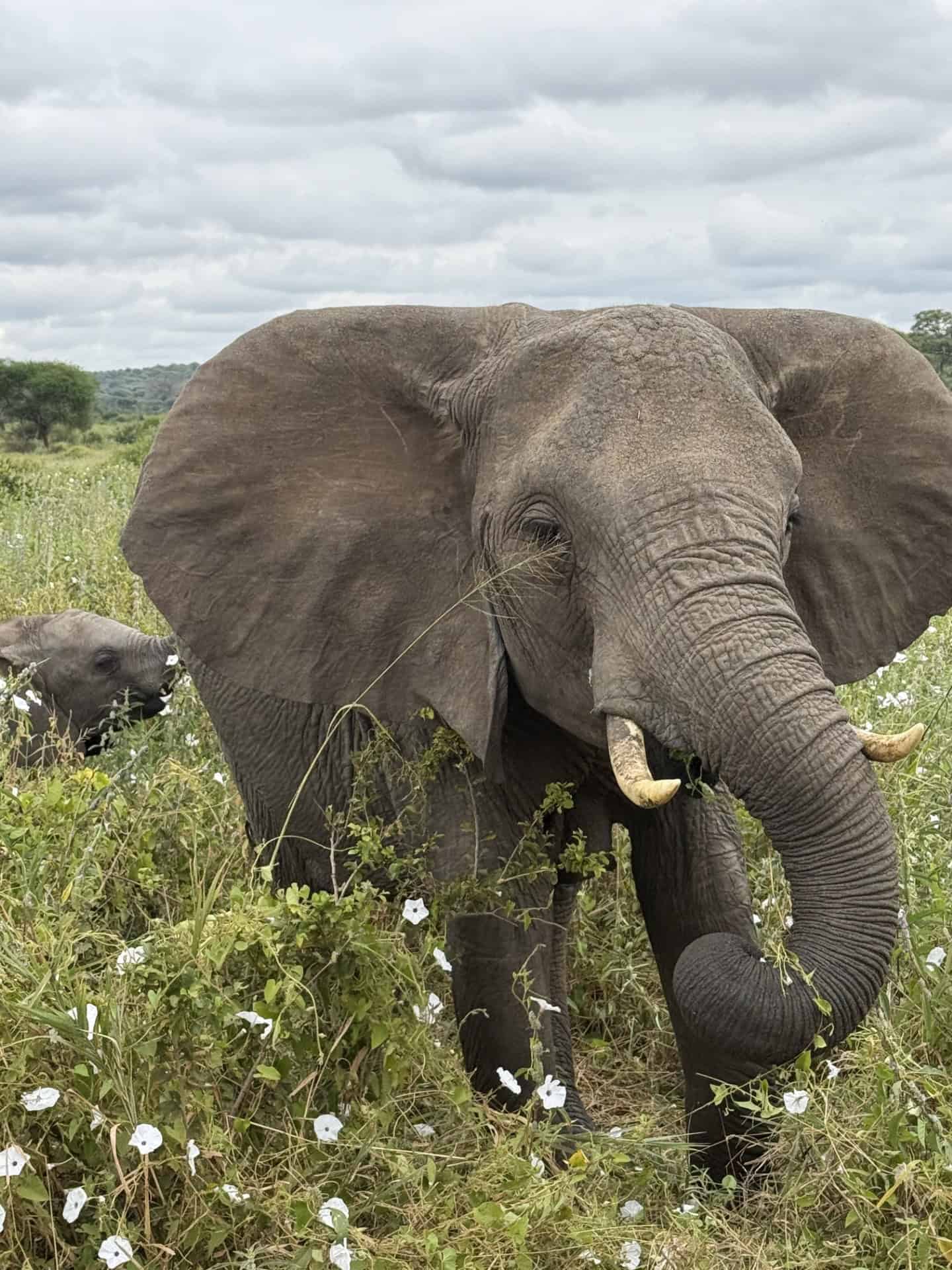
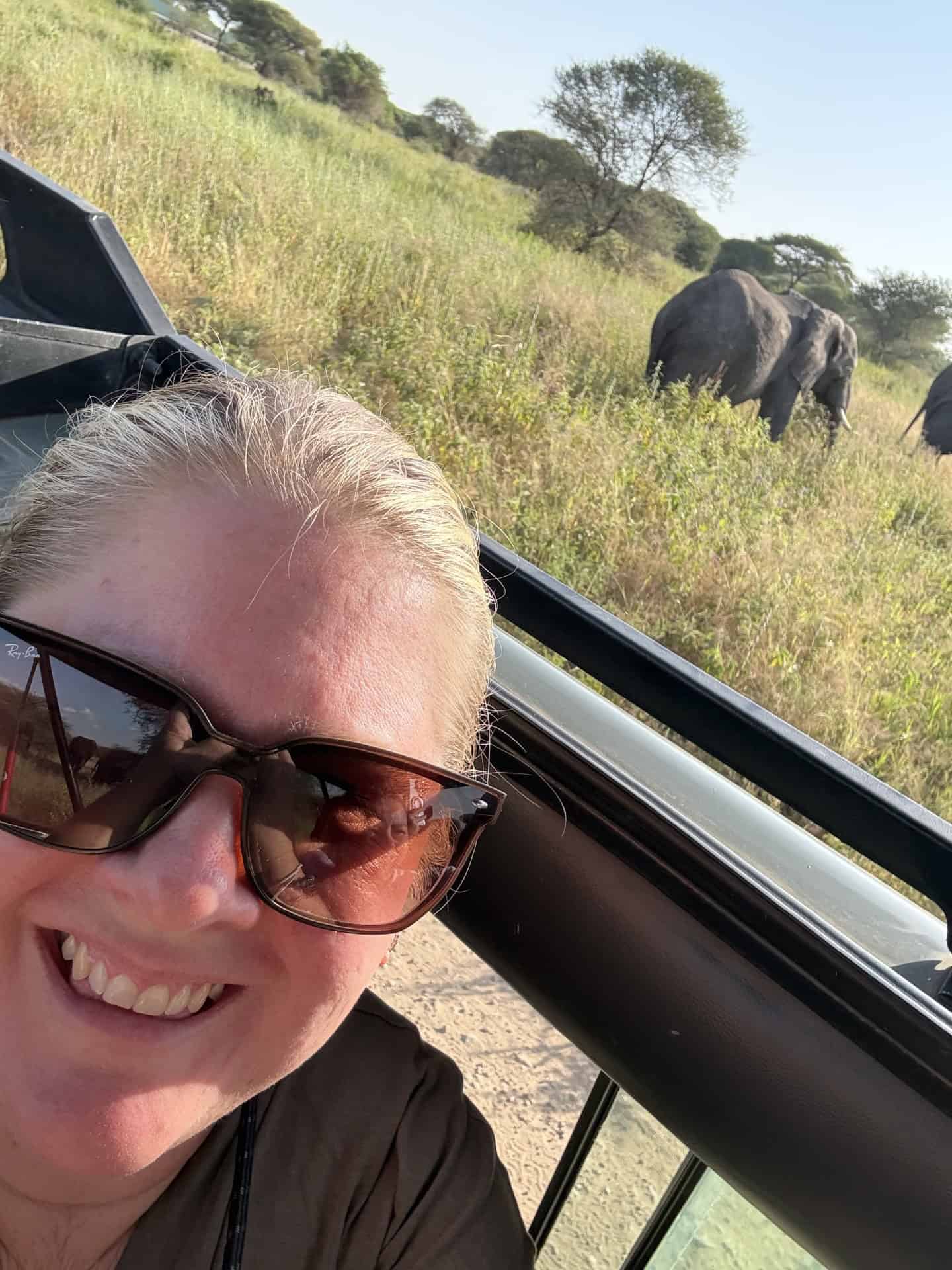
Elephants.
A whole family standing beside the road.
Completely wild. Completely free.
I’ve seen elephants before in other destinations, but this was different.
This was their world—not ours.
The size, the silence, the way they moved… it gave me goosebumps.
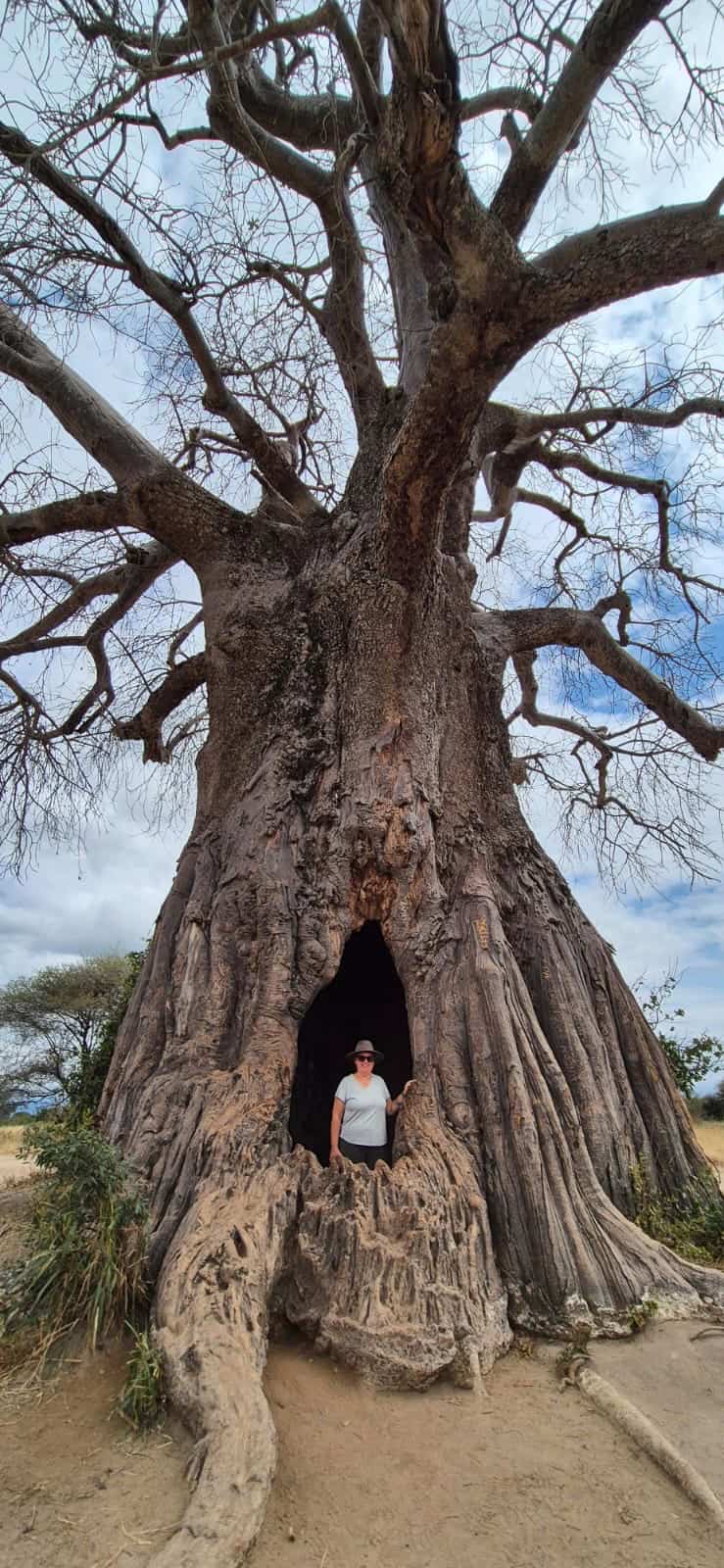
Then came the baobab trees.
Huge. Ancient. Almost unreal.
And the roads?
Dusty. Bumpy. Rough.
This is when I realised safari isn’t just about wildlife.
It’s about the journey between everything.
This is something I wish more people talked about.
A safari is incredible—but it isn’t always an easy holiday.
Depending on the itinerary you choose, you may:
It is absolutely worth it—but it does require a certain level of energy and mobility.
If you have mobility concerns, back issues or are prone to motion sickness, don’t assume a safari isn’t for you. There are many different styles of safari, from luxury lodges with shorter game drives to fly-in safaris that reduce long road transfers. The key is choosing the right itinerary and planning ahead so the experience matches your needs.
If an African safari is on your bucket list, don’t let those concerns stop you—just make sure you get the right advice before you book. With the right planning, there’s a safari experience for almost everyone.
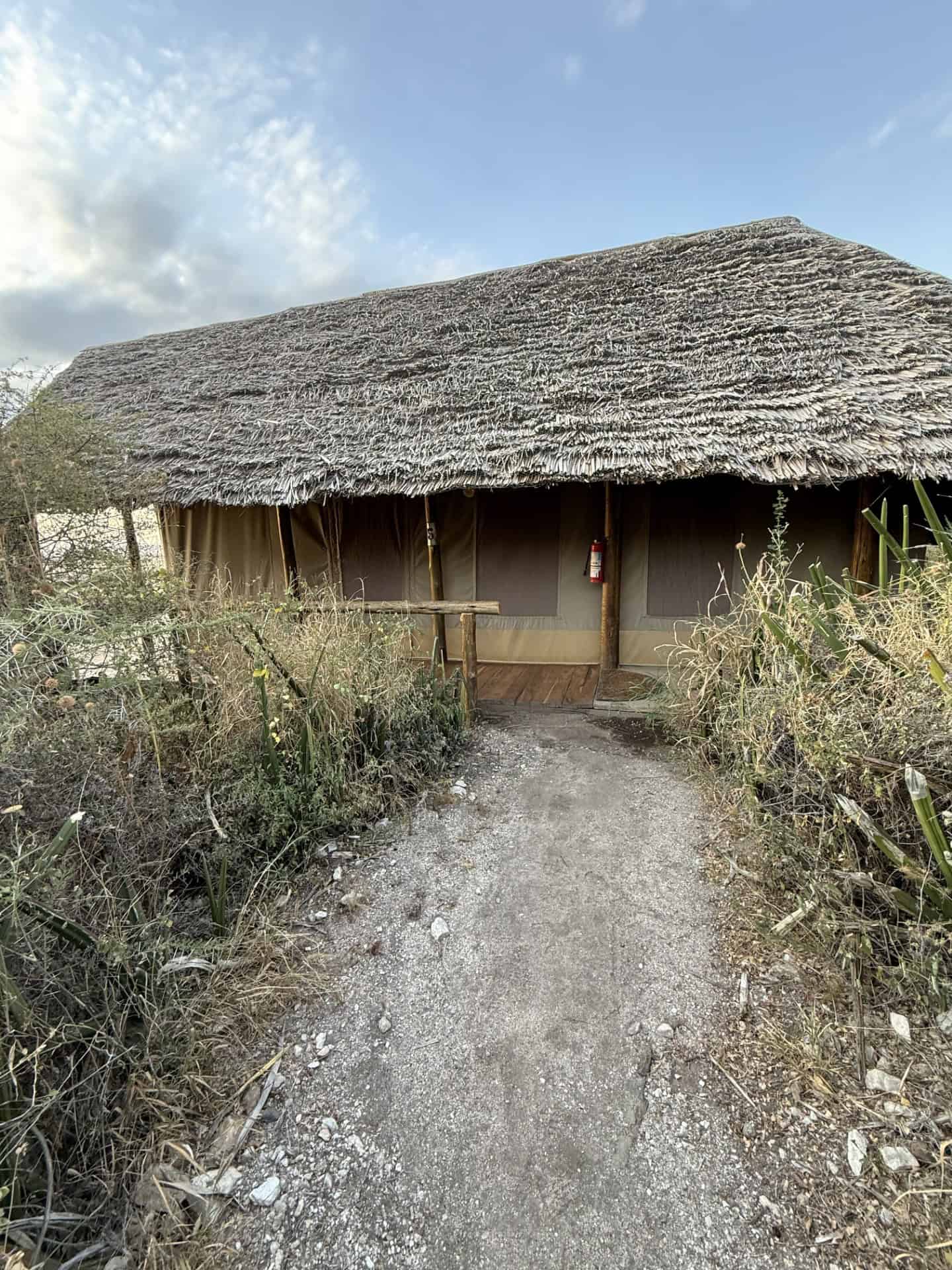
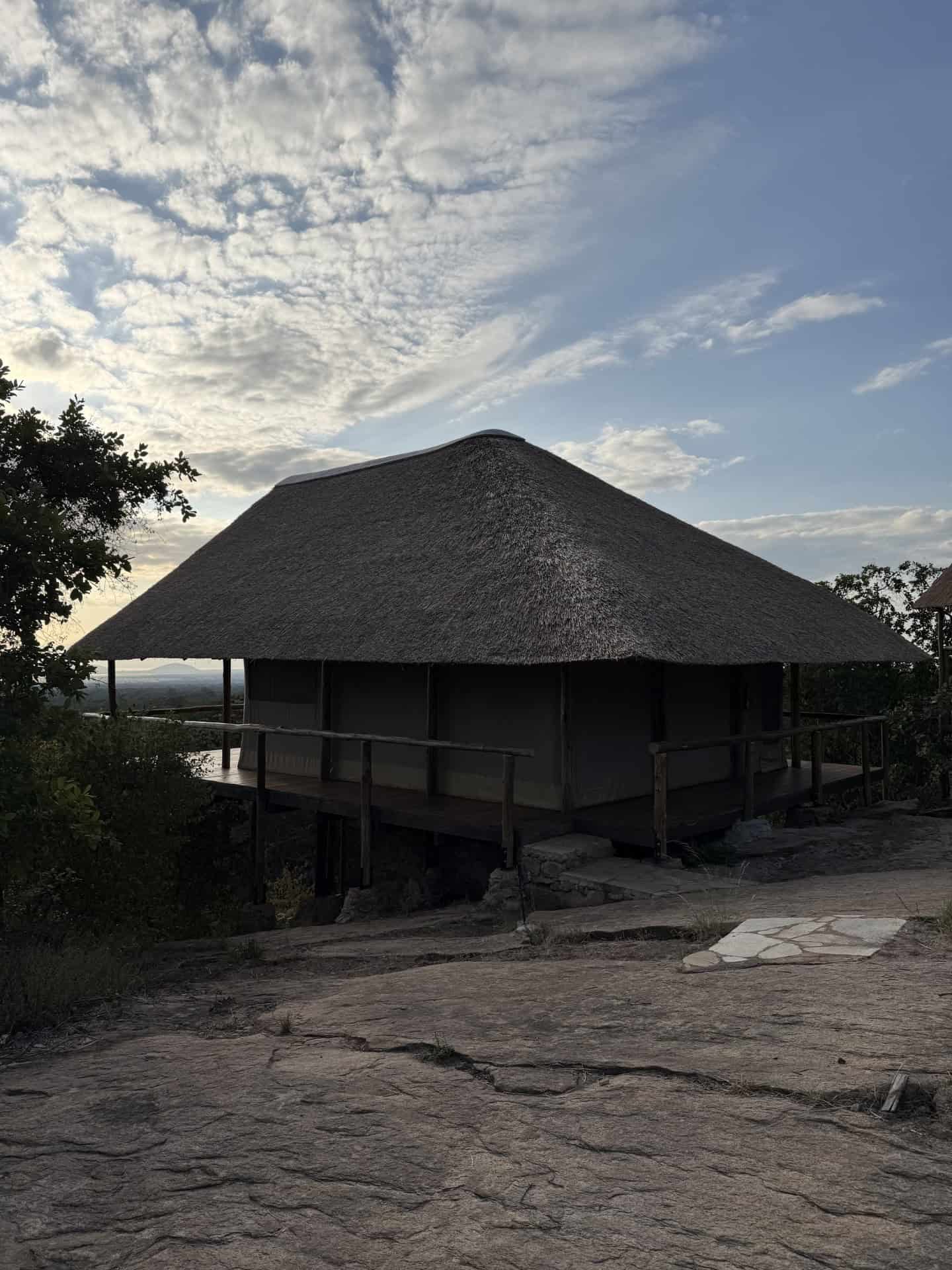
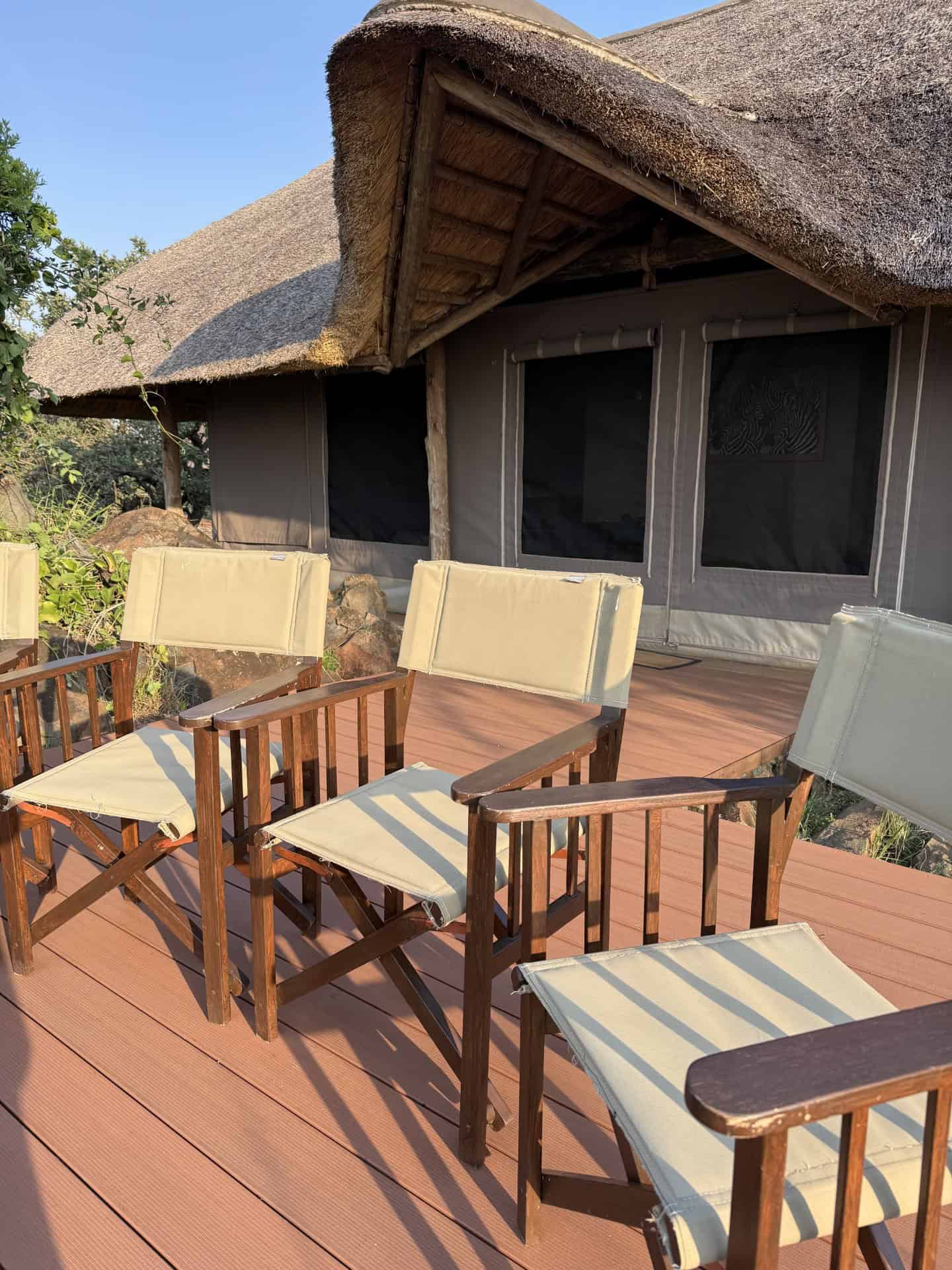
My first night in a safari camp was something I’ll never forget.
It wasn’t because it was uncomfortable — quite the opposite. It was the experience around it.
At night, Maasai guides walk you to your tent because wildlife moves freely through the area. That alone changes everything.
Then the sounds start.
Hyenas calling in the distance. Rustling near the tent. Strange noises you can’t quite place.
At one point I remember lying there thinking, what on earth was that?
Sleep didn’t come easily that night, but by the end of the trip I actually looked forward to those sounds. It became part of the rhythm of being in Africa.
Every game drive felt like a nature documentary unfolding in real time.
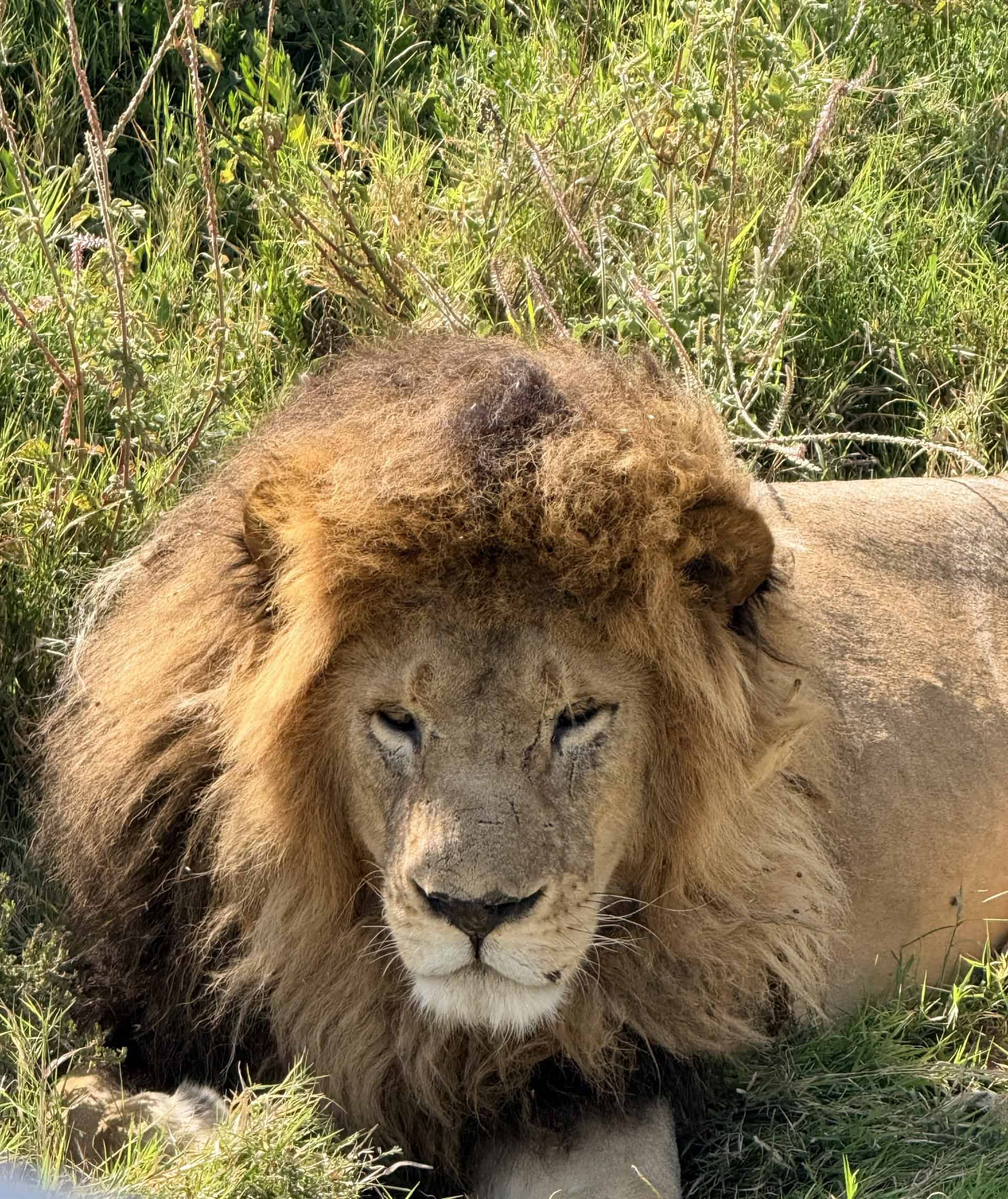
One morning we followed lion paw prints in the sand.
Then suddenly:
And then we heard it.
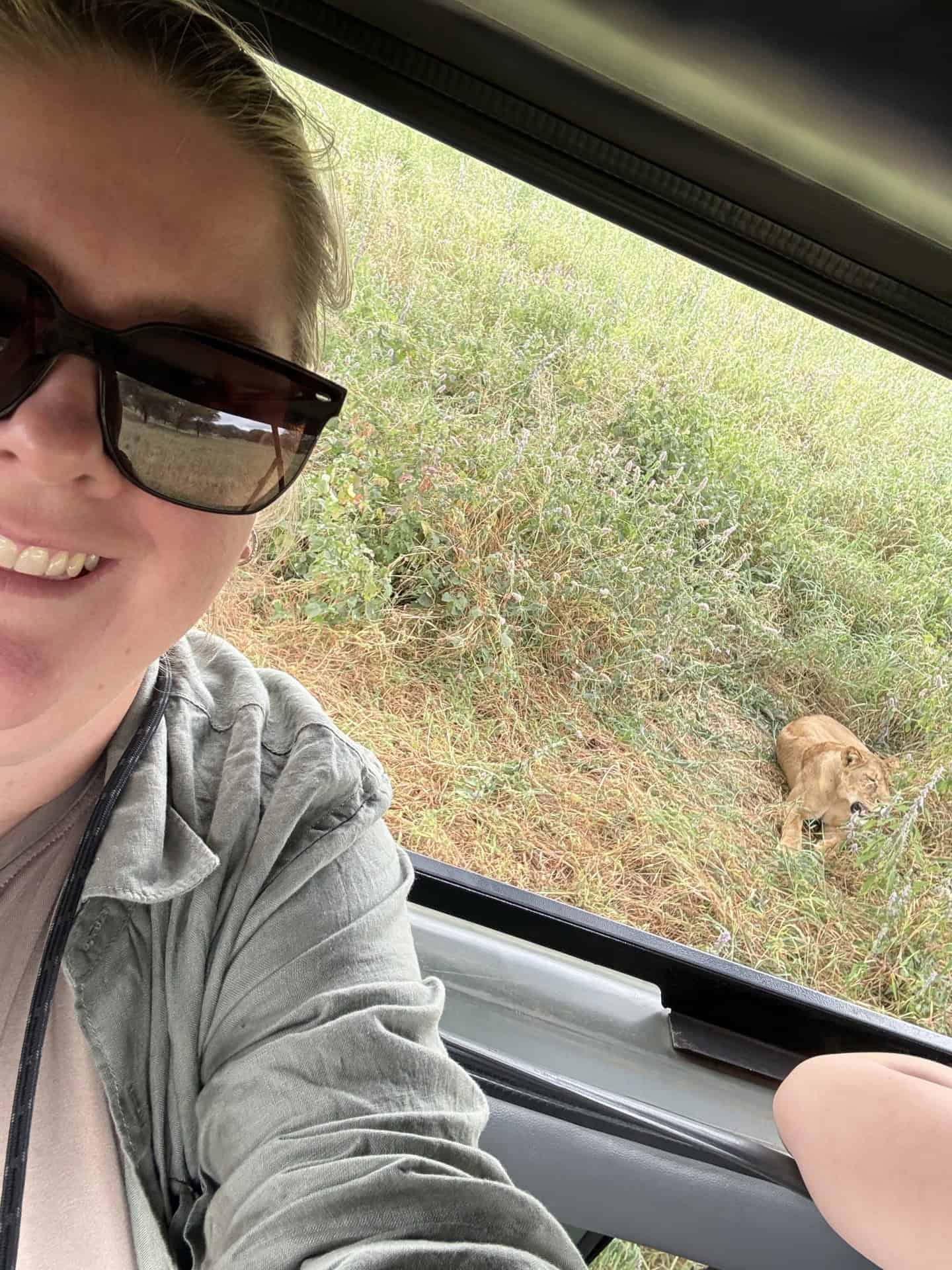
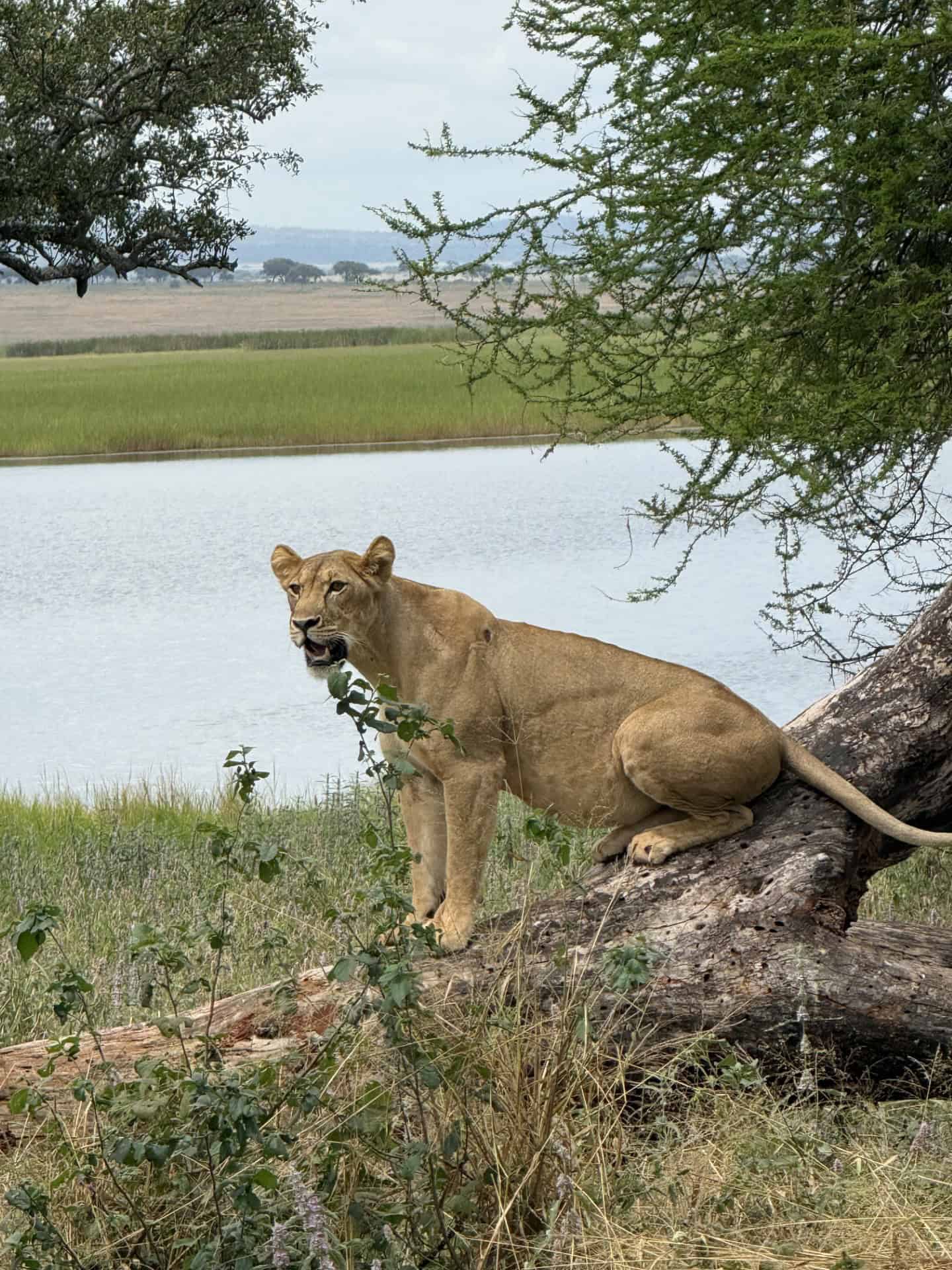
A lion had been spotted nearby.
We found her hiding in the bushes.
She slowly walked out, crossed the road and stood beside a tree just watching the world.
No rush. No fear. Just presence.
In that moment, the vehicle went silent.
Nobody spoke.
You don’t forget moments like that.
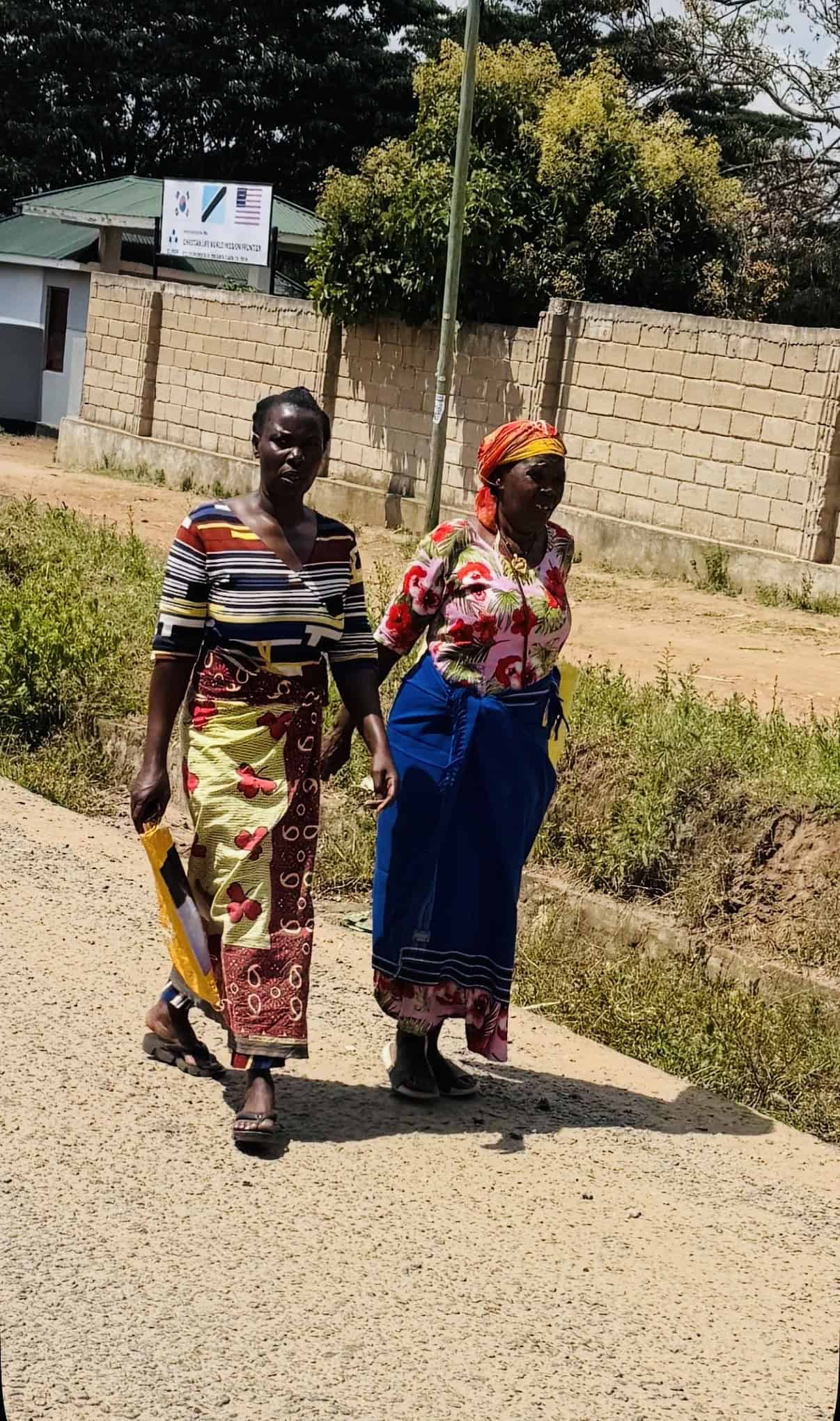
One thing I didn’t expect was how much I would connect with the people.
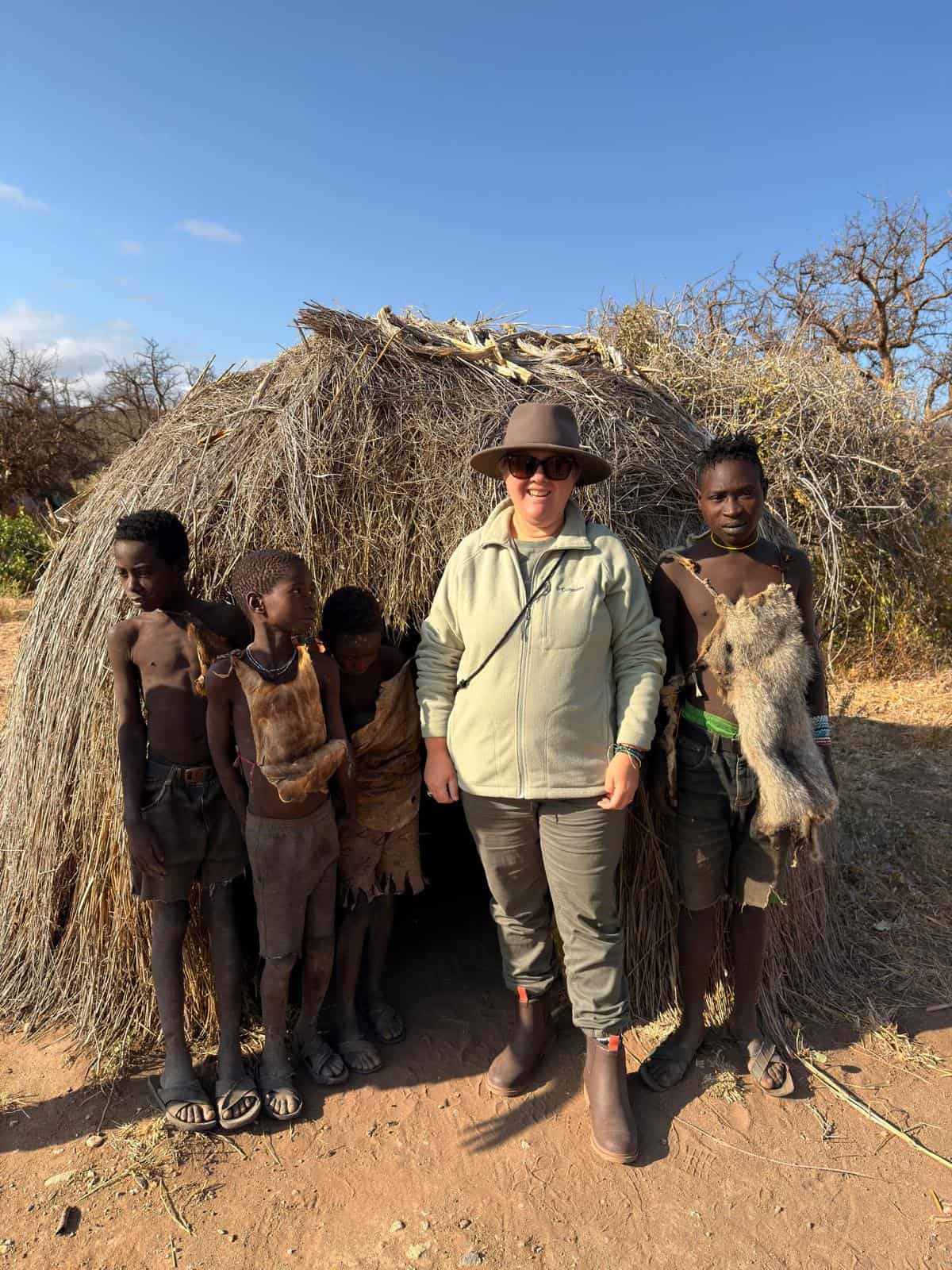
We visited the Hadzabe tribe, one of the last hunter-gatherer communities in Africa.
They showed us how they hunt using handmade bows, how they make fire without matches, and their incredible clicking language.
It felt like stepping into another world.
We also visited the Datoga people, traditional blacksmiths.
The children were some of the happiest, most welcoming kids I’ve ever met.
Smiles everywhere.
Ngorongoro Crater is one of those places that photos just don’t do justice.
One minute you’re in rainforest surrounded by baboons.
Next minute you’re descending into a massive natural amphitheatre filled with wildlife.
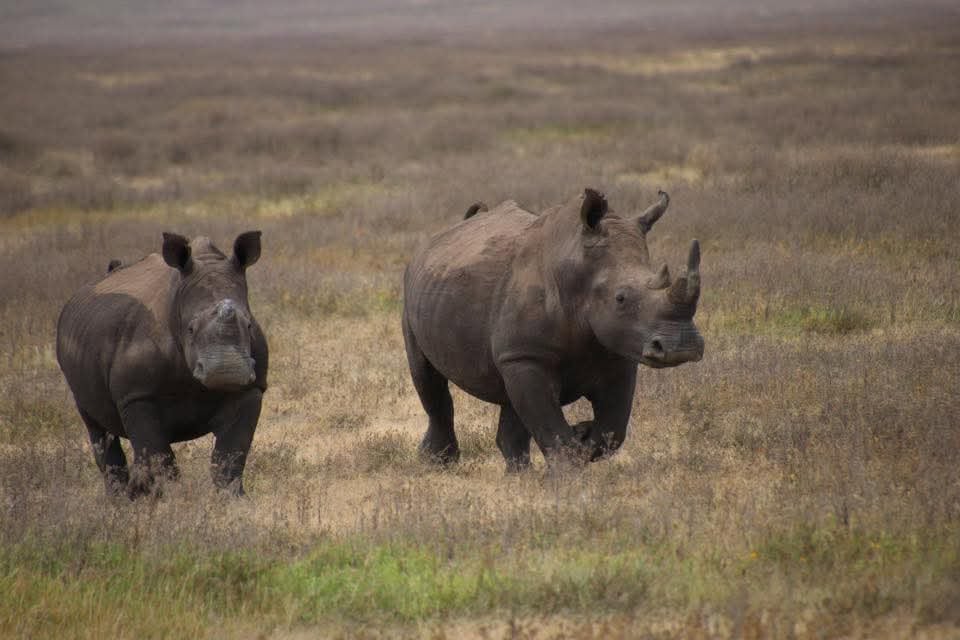
Inside the crater we saw:
Seeing a rhino in the wild was a huge highlight for me.
The Serengeti is everything you imagine — and more.
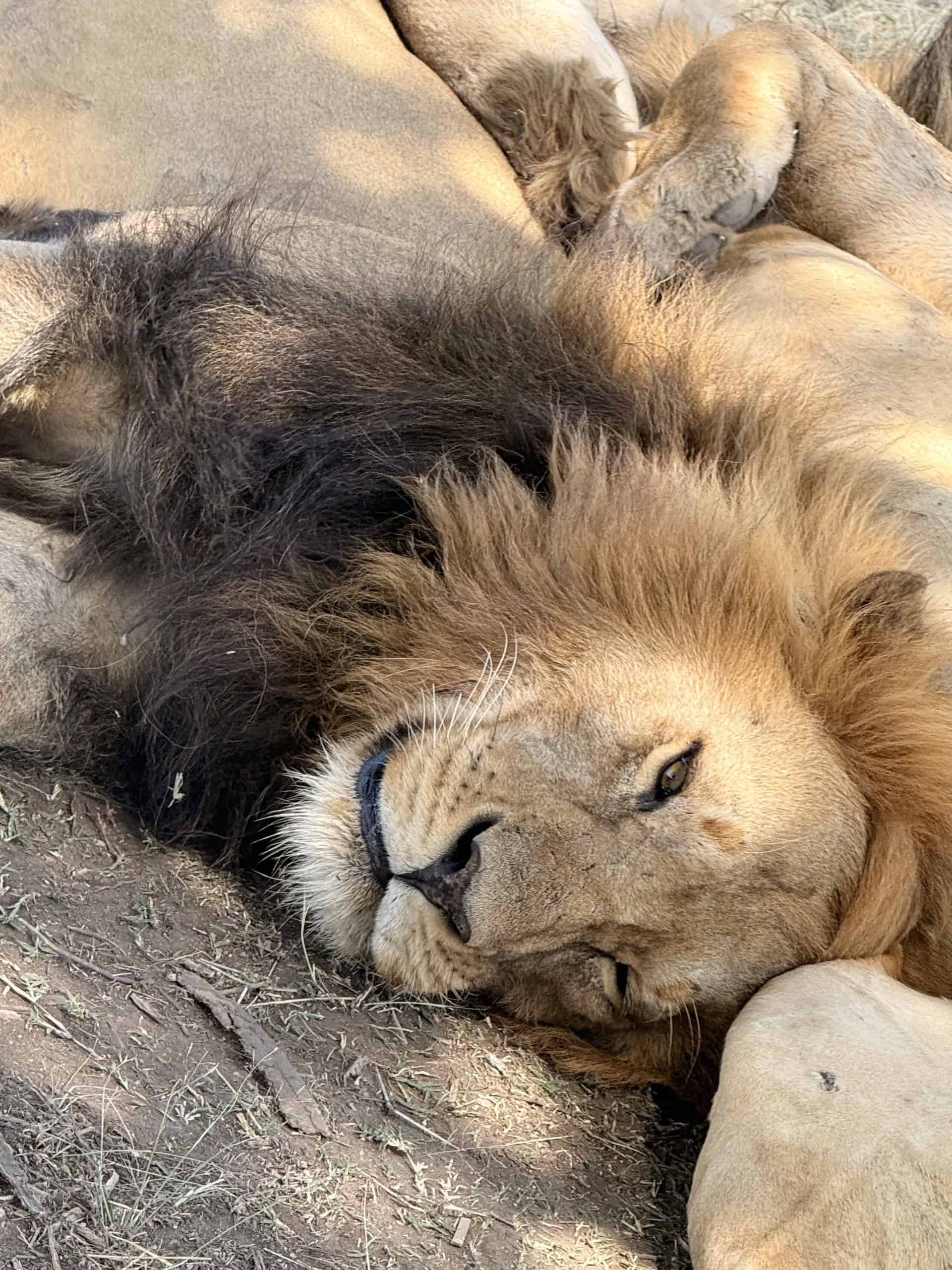
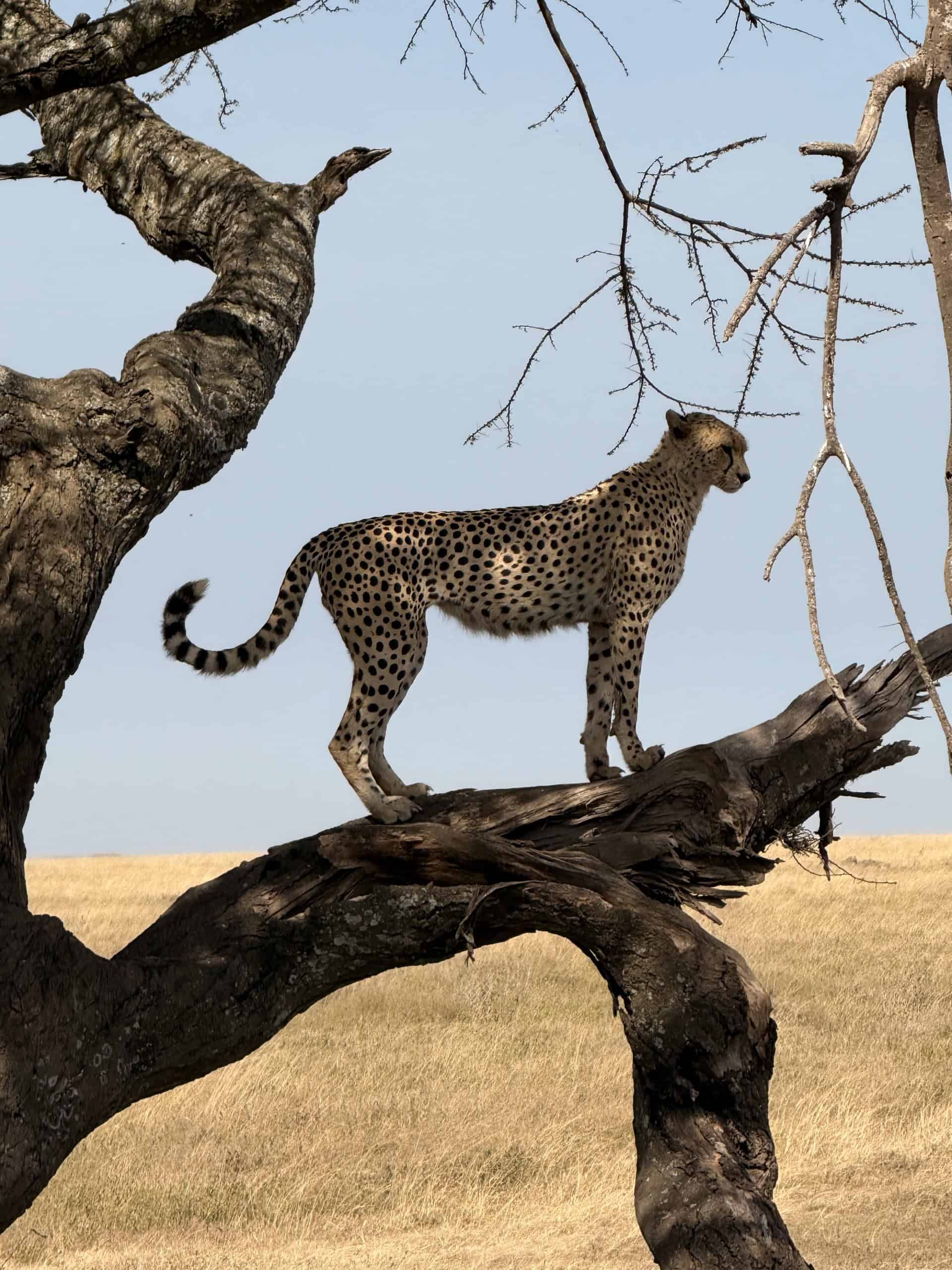
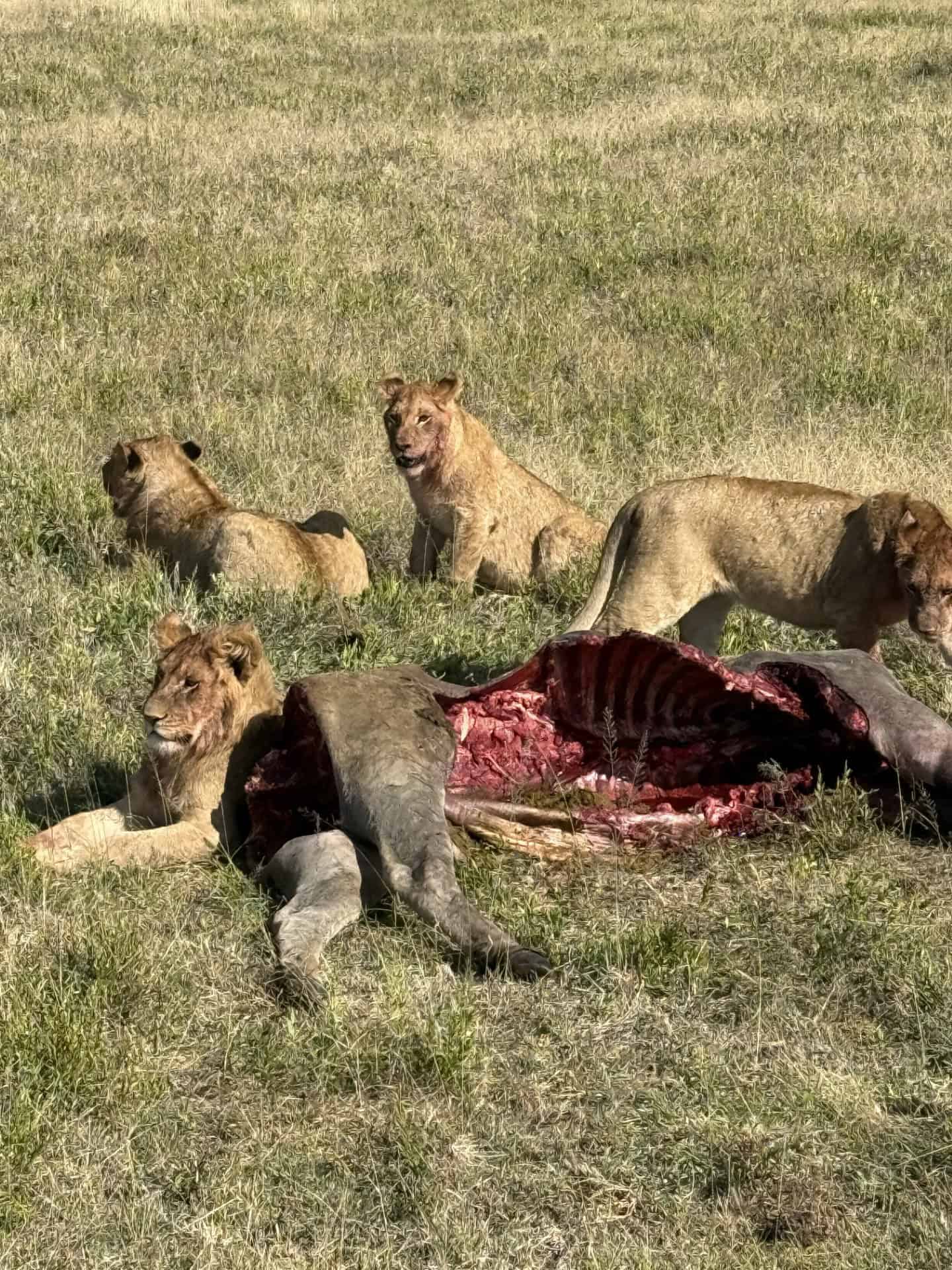
We saw a pride of lions feeding after a successful hunt. Not far away, three cheetah brothers rested in a tree, scanning the plains below.
Hyenas cooled off in water nearby, completely unbothered by everything happening around them.
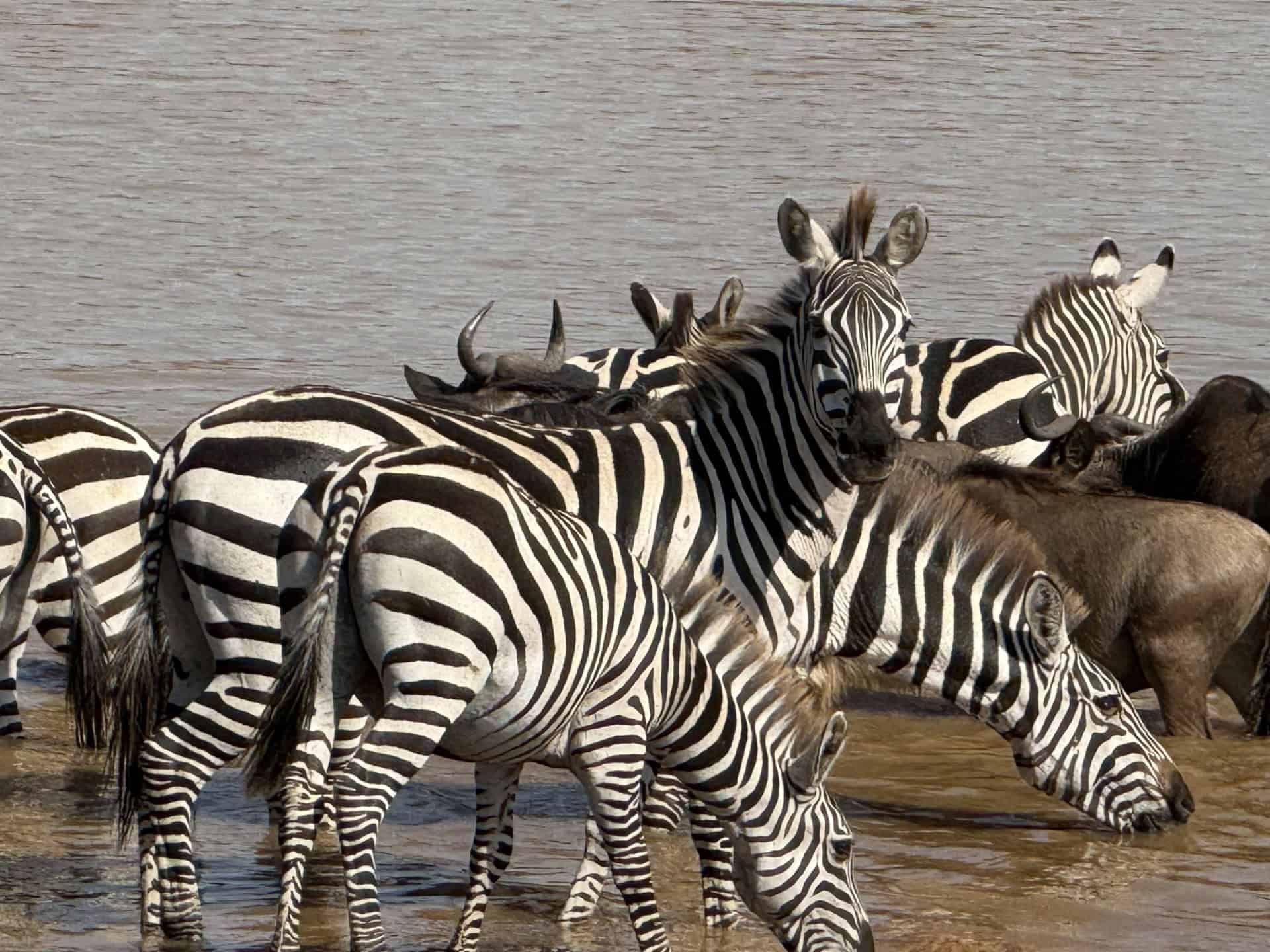
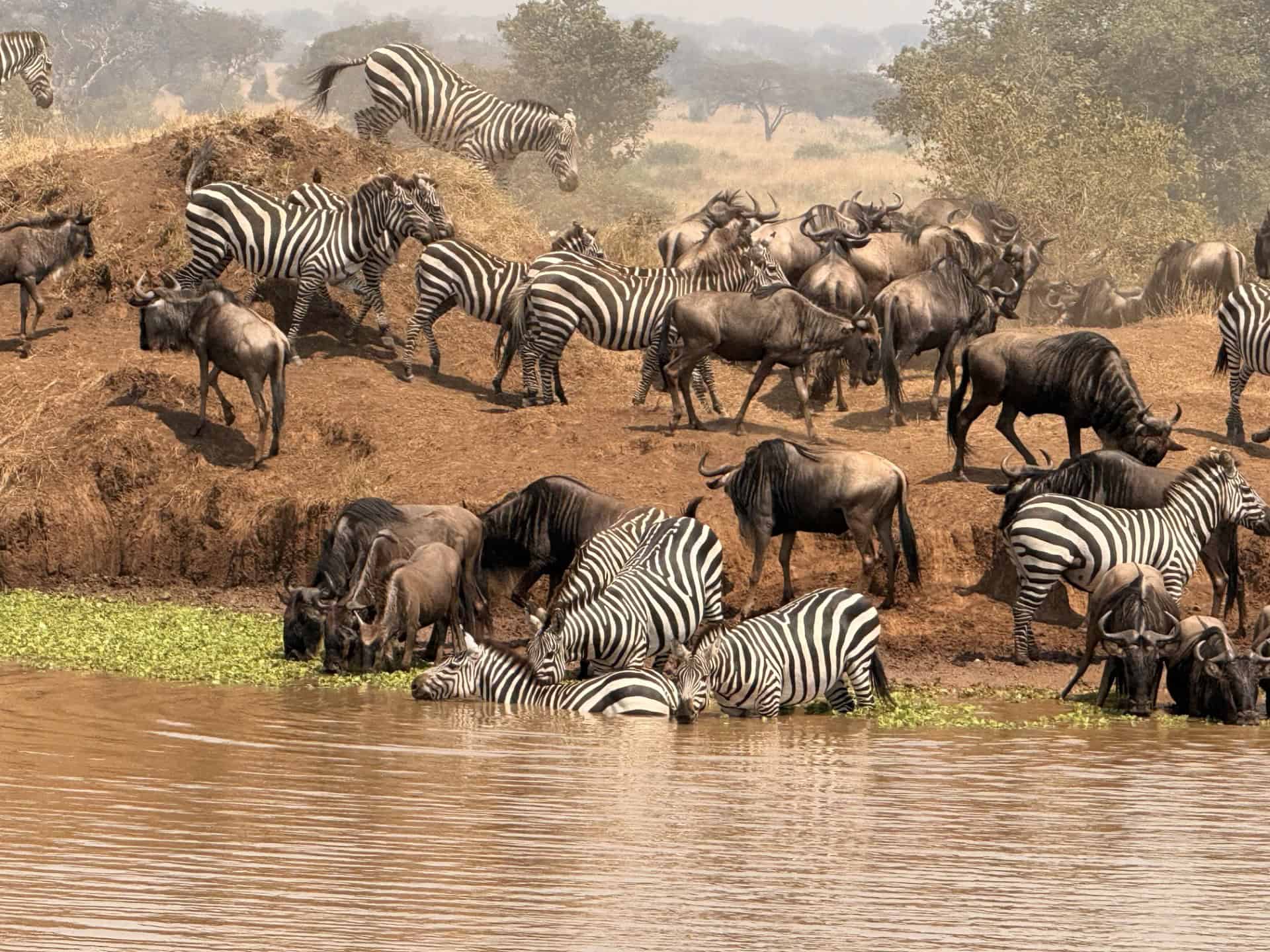
Then came the moment I’ll never forget — the early stages of the Great Migration.
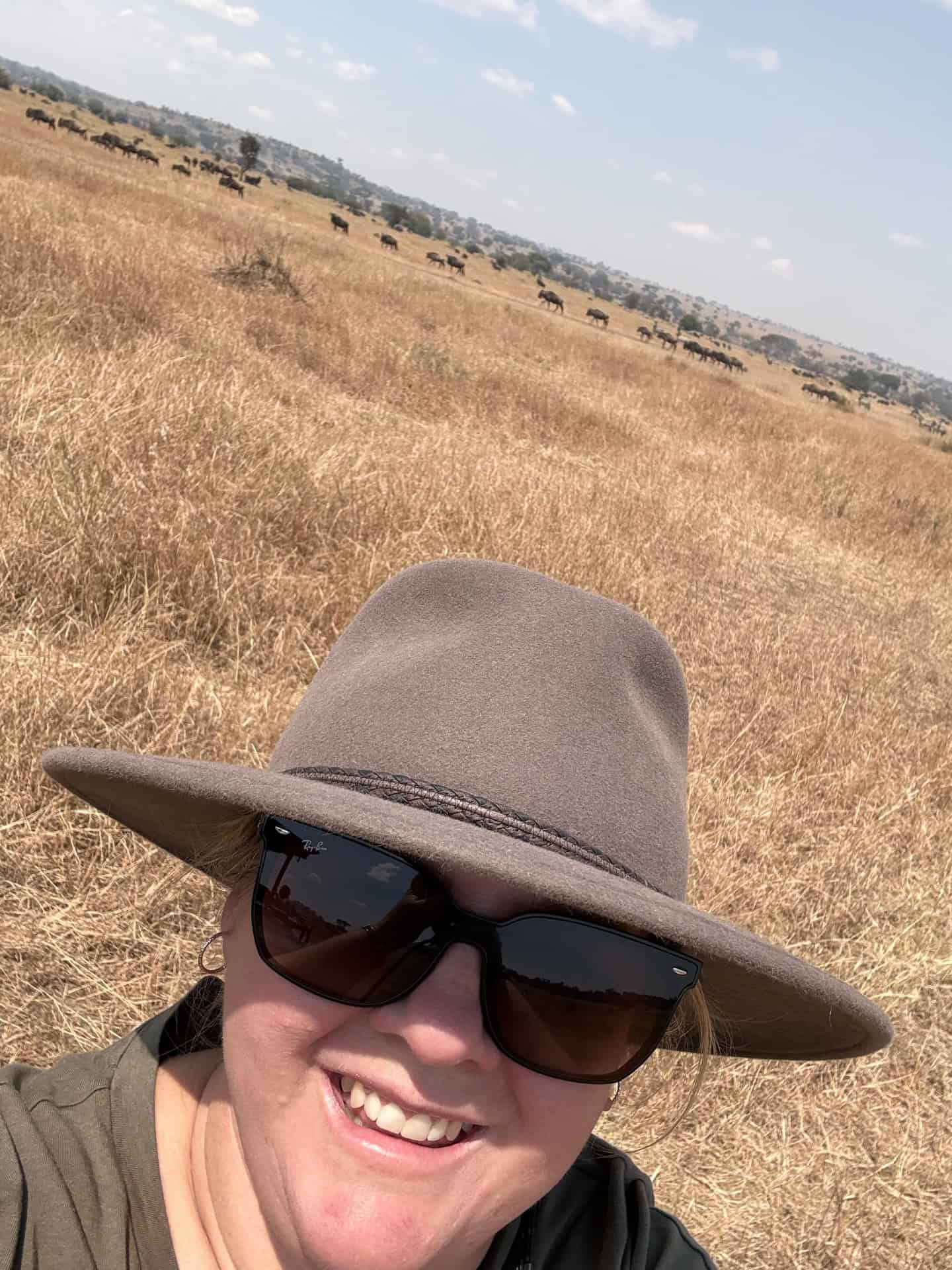
Thousands upon thousands of wildebeest and zebra stretched across the horizon. It didn’t feel real. The scale is impossible to understand until you’re standing in it.
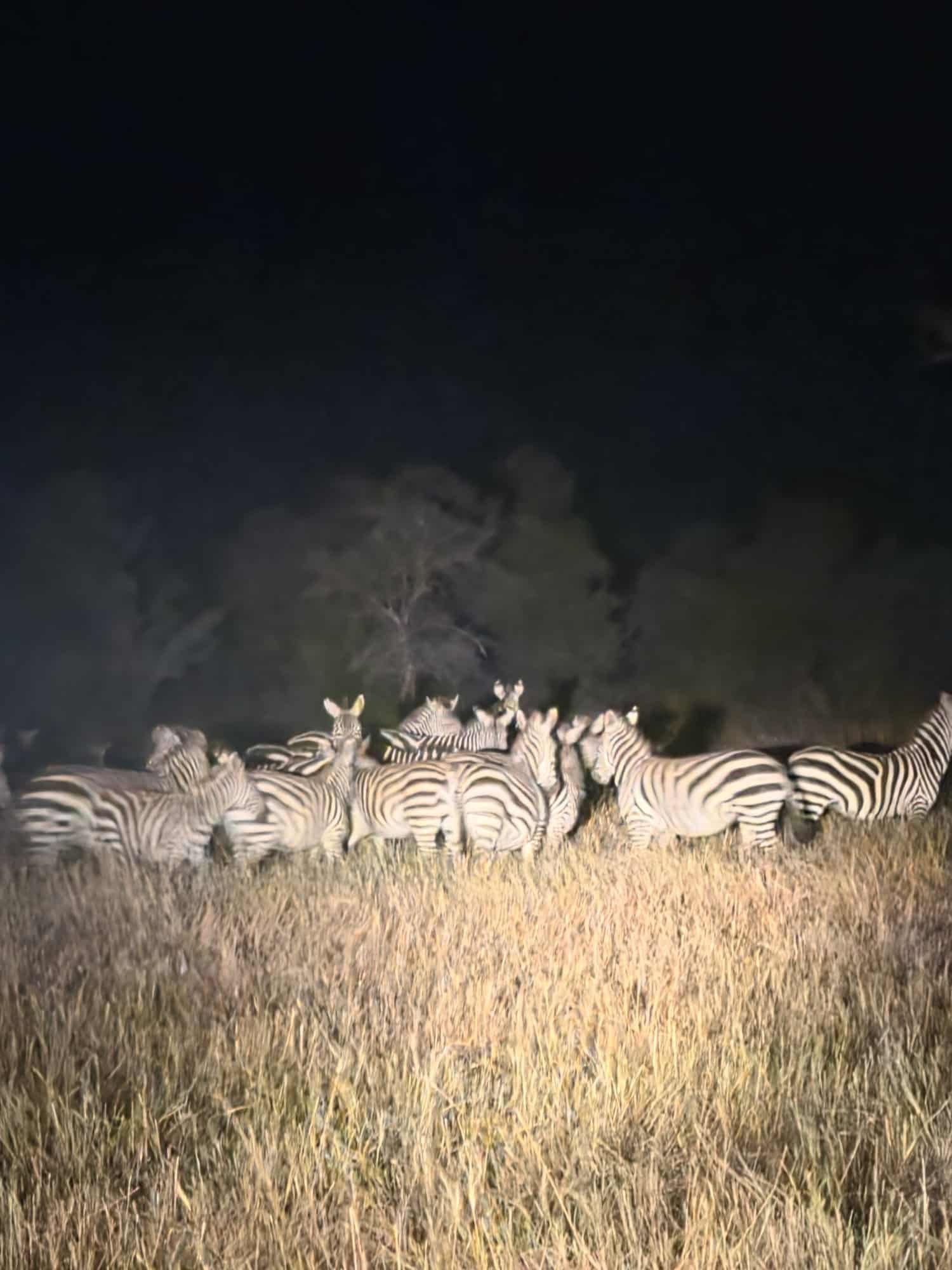
One night we went out in an electric safari vehicle.
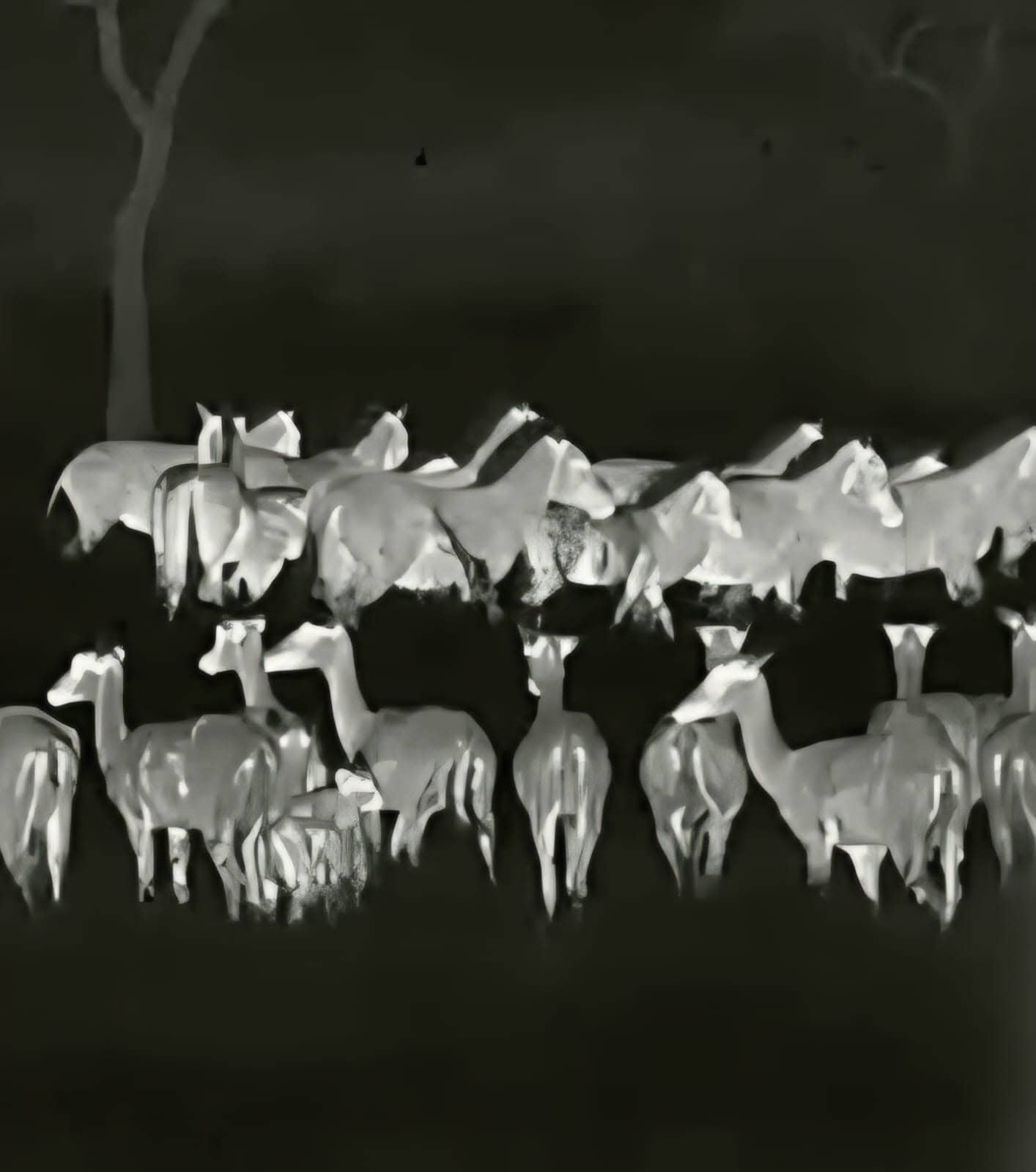
Completely silent. Just spotlights and night vision.
We spotted a leopard stalking prey.
Then everything changed.
Our vehicle broke down.
In the dark.
Far from camp.
And then we heard it…
A lion growling nearby.
I genuinely didn’t know whether to laugh or panic.
Eventually another vehicle came, and we transferred quickly.
Our guide just smiled and said:
“Let’s go find the lions.”
Only in Africa.
The 3:30am wake-up was brutal.
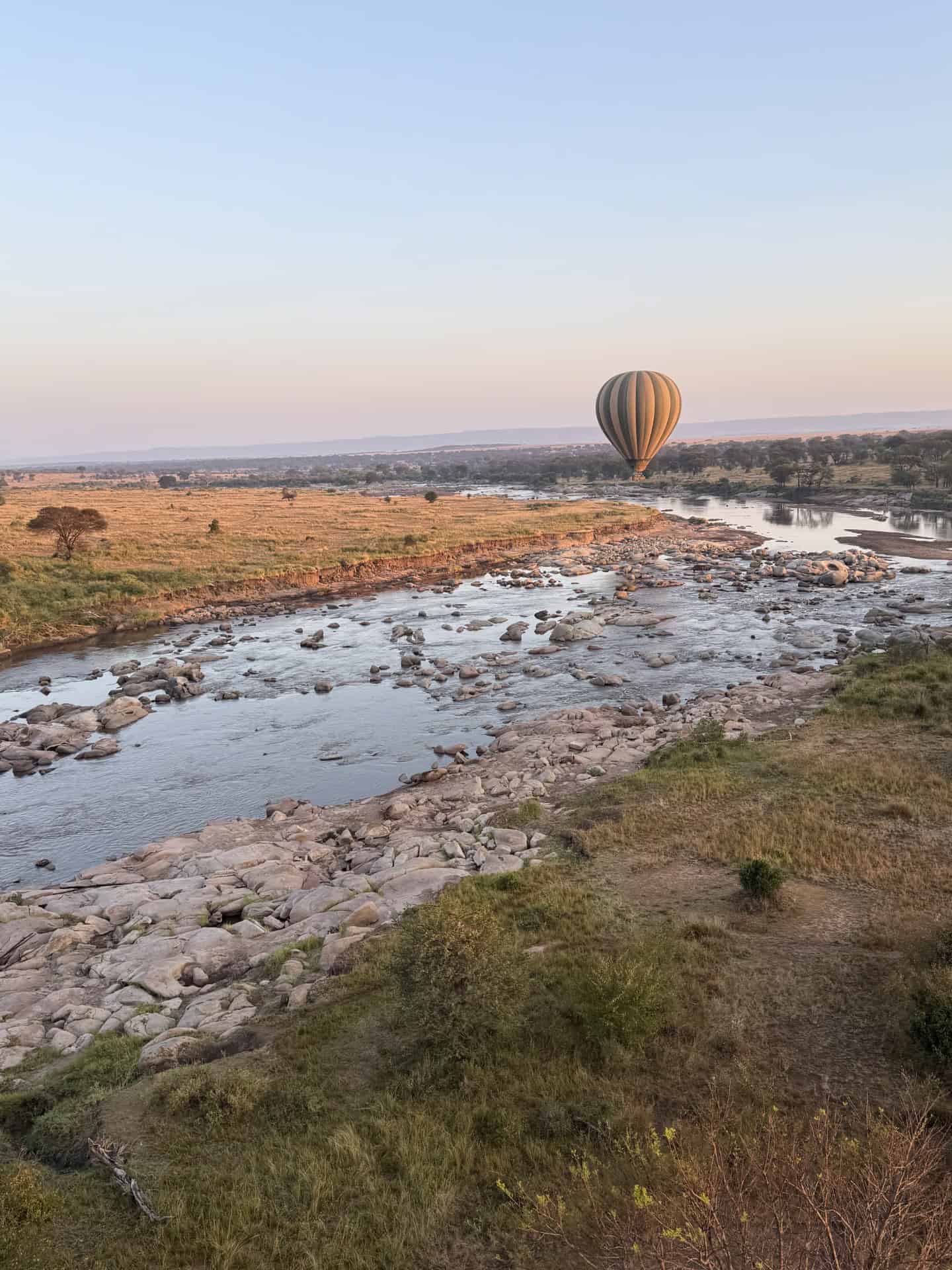
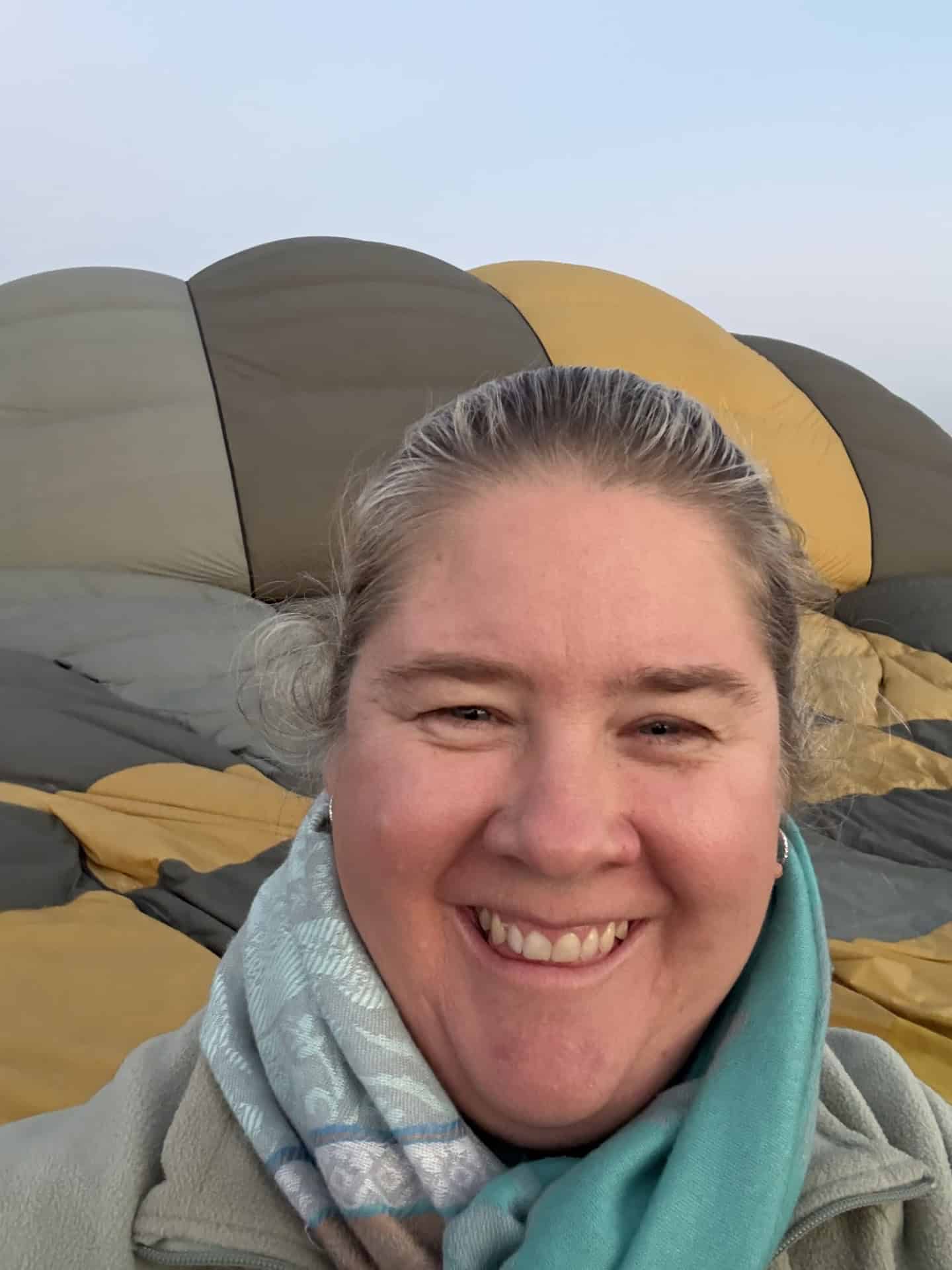
But the hot air balloon flight over the Serengeti was worth every second.
As the sun rose, we floated silently above:
On the way to launch, we even saw a leopard still hunting.
After landing, we had champagne breakfast in the bush.
Even the toilet had a view you wouldn’t believe.
Honestly… no.
Everything I worried about before I left didn’t matter once I was there.
I never once felt unsafe.
Instead, I felt completely immersed in something extraordinary.
A Tanzania safari isn’t just another holiday.
It’s an experience that stays with you.
It challenges you.
It surprises you.
It humbles you.
And it changes how you see wildlife forever.
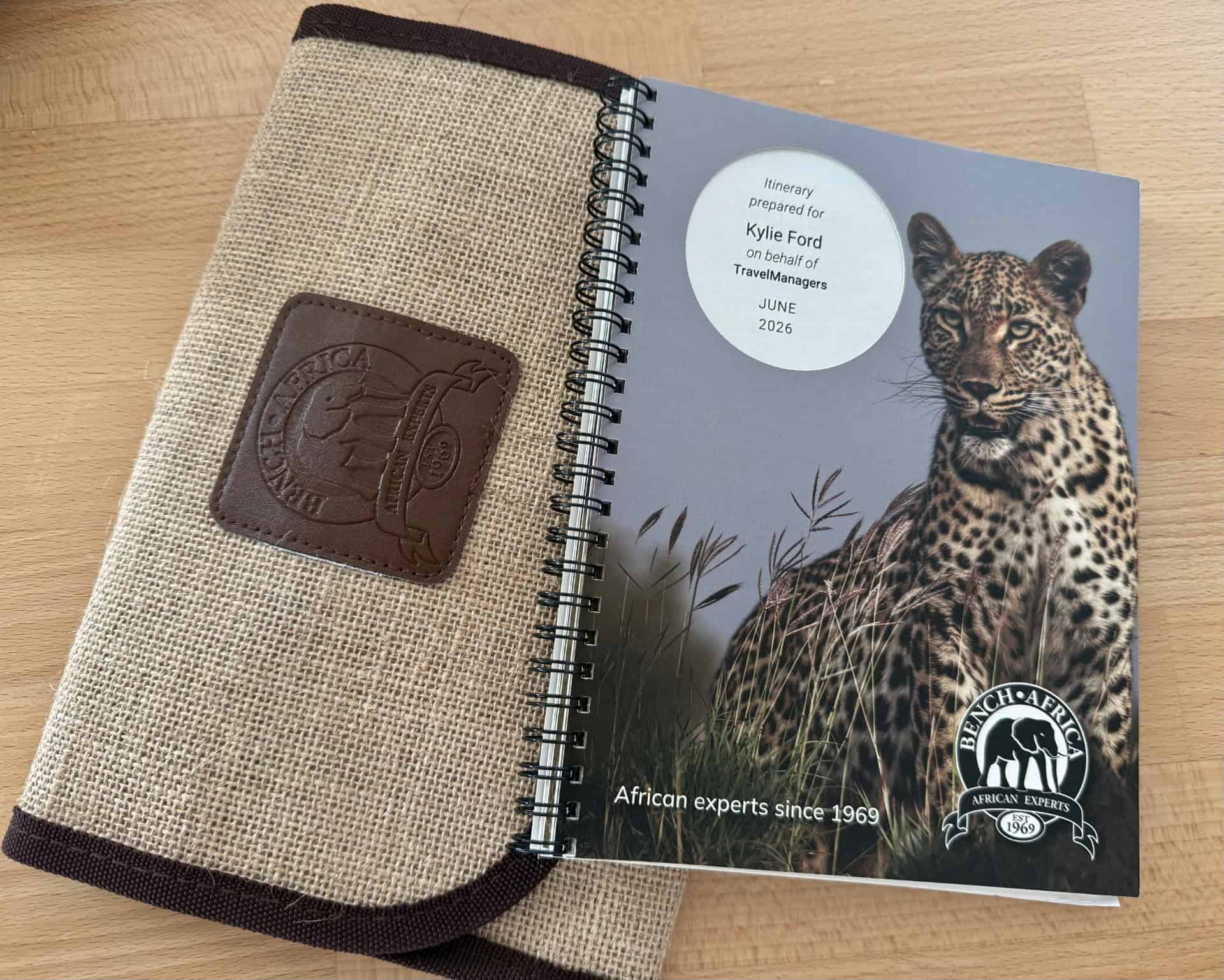
Bench Africa created an incredible itinerary, and our guide Godwin made every moment richer with knowledge and stories.
Would I go again?
In a heartbeat.
In fact, I loved it so much I’m now planning to take my own hosted group to Africa in September 2027.
If Africa is on your list, don’t wait for “someday.”
Because someday has a habit of never arriving.
And this is one of those trips you’ll never regret doing while you can still fully experience it.





CLIA Master 2024
Disney College of Knowledge Graduate
Travel Nevada Trailblazer
Visit USA expert
 Peace of mind