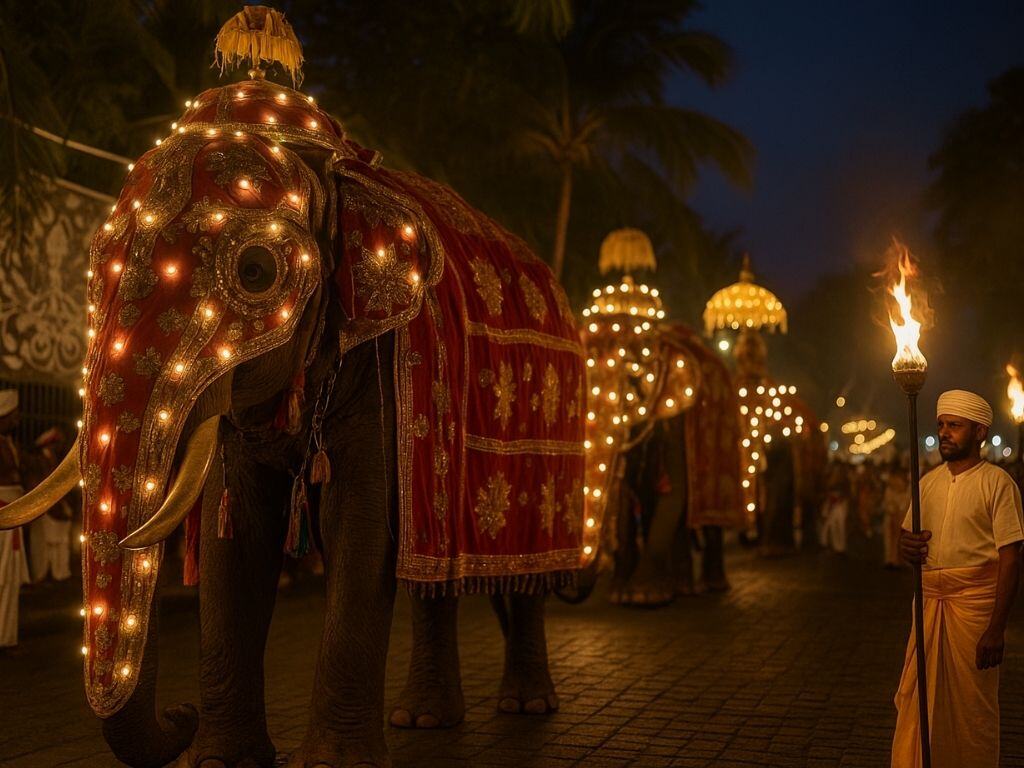
Nestled in the Indian Ocean, Sri Lanka is a destination where ancient traditions blend seamlessly with modern life. Beyond its palm-fringed beaches, emerald tea fields, and centuries-old ruins, the island comes alive throughout the year with festivals that showcase its rich spiritual and cultural heritage. From grand processions to intimate family gatherings, Sri Lanka’s festivals provide visitors with an extraordinary glimpse into the heart of the island’s diverse communities. No matter when you choose to visit, experiencing one of these vibrant celebrations can turn your trip into something truly unforgettable.
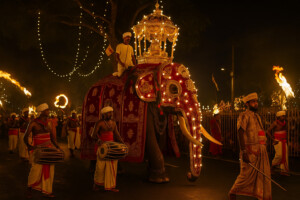
Every year, Kandy becomes the epicentre of one of Asia’s most breathtaking cultural displays – the Esala Perahera. Usually held between late July and early August, this ancient Buddhist festival draws crowds from across Sri Lanka and around the world.
At its core is the sacred Temple of the Tooth Relic (Sri Dalada Maligawa), which houses a revered relic believed to belong to Lord Buddha. The Perahera honours this relic while also calling for blessings of rain and prosperity. Over ten nights, elaborate processions fill the streets of Kandy, growing more magnificent each evening.
The Grand Randoli Perahera is the festival’s pinnacle. A parade of lavishly adorned elephants, drummers, dancers, whip-crackers, fire breathers and torch bearers winds through the city under the night sky, creating a captivating spectacle of rhythm, devotion and artistry that has been passed down through generations.
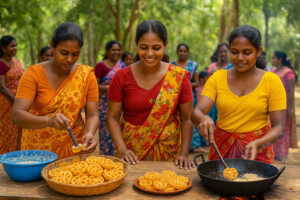
In April, Sri Lanka celebrates the Sinhala and Tamil New Year, known locally as Avurudu. Unlike New Year’s celebrations based on the Western calendar, this event marks the astrological transition of the sun into Aries, symbolising a fresh start for families across the island.
Homes are meticulously cleaned and decorated, while tables overflow with traditional delicacies like kokis, kevum, and aluwa. The aroma of sweet treats fills the air as families gather to perform rituals marking the dawn of the new year.
Throughout villages and towns, people take part in playful Avurudu games such as tug-of-war, pillow fights, and coconut scraping contests. The festival fosters a wonderful sense of unity, hospitality and joy, offering visitors a warm welcome into Sri Lankan culture.
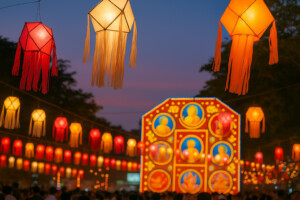
In May, Buddhists across Sri Lanka commemorate Vesak — a deeply spiritual festival that celebrates the birth, enlightenment, and passing of Lord Buddha, all believed to have taken place on the same full moon day.
The entire country transforms into a glowing wonderland as intricate Vesak lanterns (known as Vesak kudu) light up homes, temples, and city streets. Pandals, elaborate structures telling stories from Buddha’s life, are displayed in public spaces, while thousands of devotees engage in meditation, prayer, and acts of generosity.
A hallmark of Vesak is the many free food stalls, or dansal, offering meals and refreshments to passers-by, regardless of background or faith. The peaceful ambiance and glowing lanterns create a magical atmosphere that’s both visually stunning and spiritually moving.
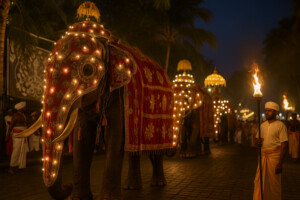
Deep in the south of the island, near Yala National Park, lies Kataragama, one of Sri Lanka’s most sacred pilgrimage sites. Each July or August, thousands gather for the Kataragama Festival, which unites Buddhist, Hindu, and indigenous traditions in a powerful act of collective devotion.
The festival is especially known for its dramatic acts of penance, including fire walking and kavadi bearing, where devotees carry heavy ceremonial structures or pierce their bodies as offerings of gratitude. As night falls, the processions light up with vibrant floats, musicians, dancers and richly decorated elephants, creating a sensory experience unlike any other.
Kataragama stands as a testament to Sri Lanka’s multi-faith coexistence and the deep personal sacrifices many pilgrims undertake in search of blessings.
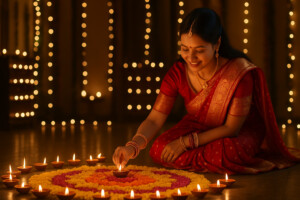
While Vesak marks a spiritual highlight for Buddhists, Diwali (or Deepavali) is celebrated widely by the Hindu community, particularly in Sri Lanka’s north and east. Usually falling in October or November, Diwali honours the victory of light over darkness and good over evil.
Families thoroughly clean their homes, illuminate them with rows of oil lamps, and set off fireworks to mark the joyous occasion. Delicious sweets are prepared and shared, and prayers are offered to Lakshmi, the goddess of wealth and prosperity.
Although rooted in Hindu tradition, Diwali’s festive lights and joyful atmosphere extend beyond religious boundaries, lighting up areas like Colombo and bringing communities together across the island.
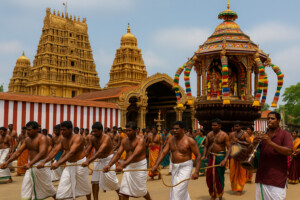
Taking place in Jaffna, in Sri Lanka’s northern region, the Nallur Festival is one of the country’s longest-running religious celebrations. Centred around the Nallur Kandaswamy Kovil, this Hindu festival spans approximately 25 days during August.
The highlight is the grand chariot procession, where enormous, intricately carved wooden chariots are pulled through the streets by barefoot devotees clad in white. Traditional music, drumming, dancing and vibrant offerings accompany the chariots, creating an atmosphere of communal joy and spiritual fervour.
The Nallur Festival reflects the rich Tamil cultural heritage of northern Sri Lanka, and offers visitors an extraordinary glimpse into centuries-old rituals still practised with deep reverence today.
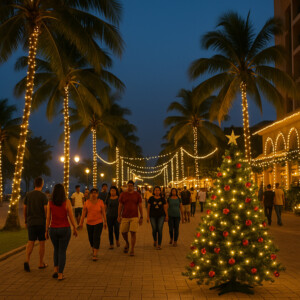
Although Buddhism and Hinduism dominate Sri Lanka’s religious landscape, Christian and Muslim communities also observe significant festivals throughout the year. In regions like Negombo and Colombo, Christmas is marked with church services, nativity scenes and tropical-themed festive decorations that bring a unique island flavour to the holiday season.
Muslim communities celebrate Ramadan and Eid with prayer, family gatherings and feasting, adding to the country’s rich cultural diversity and spirit of unity.
Sri Lanka’s packed festival calendar ensures there’s always something special happening, no matter the season. Whether you’re captivated by the grandeur of the Esala Perahera, the peaceful glow of Vesak lanterns, or the vibrant energy of Avurudu, each celebration offers a deep and personal encounter with the island’s cultural fabric.
Beyond the festivals themselves, Sri Lanka invites you to explore its ancient sites, wildlife parks, tea estates and idyllic coastlines — making every visit a memorable blend of culture, nature, and celebration.





CERTIFIED CRUISE MASTER CONSULTANT 2026
CRUISE LINE INTERNATIONAL ASSOCIATION ( CLIA) AMBASSADOR
HOLLAND AMERICA CRUISE LINE SPECIALIST
PRINCESS CRUISES ACADEMY SPECIALIST
ROYAL CARIBBEAN INTERNATIONAL CRUISE LINE SPECIALIST
ABU DHABI AND DUBAI SPECIALIST
ALASKA CERTIFIED EXPERT
I LOVE NEW YORK SPECIALIST
WELLNESS TRAVEL SPECIALIST
 Peace of mind