


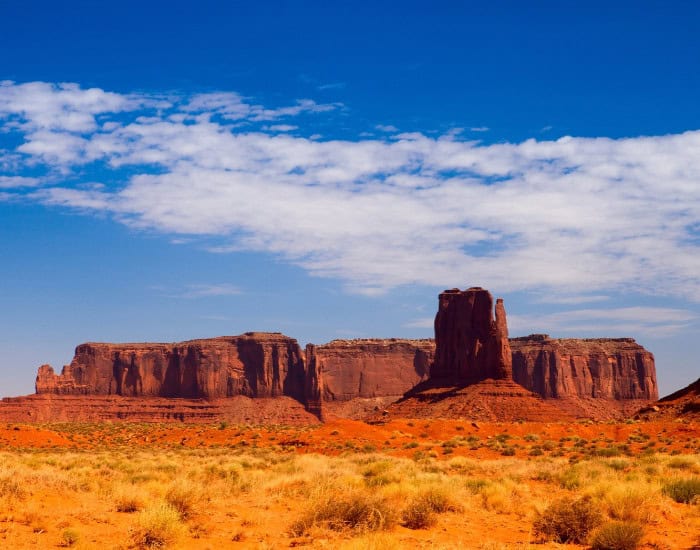

Arizona is an incredible destination for an unforgettable road trip, taking you from the sandstone formations of Sedona to the otherworldly scenery of Antelope Canyon, and the immense grandeur of the Grand Canyon. Whether you’re ticking off spectacular viewpoints, tackling scenic hiking trails, discovering historic towns or simply soaking up the unique beauty of the open road, you’ll find this corner of the American Southwest is packed with incredible sights and experiences.
We’ve created this ultimate road trip guide, taking you through our favourite must-see destinations, best things to do, hiking trails to explore, and practical tips to help you plan an unforgettable adventure through Arizona and the Grand Canyon.
During the summer months (June to August), you can expect extremely hot, dry conditions – especially in low-elevation areas like Phoenix, Tucson and Yuma, where summer highs regularly exceed 40 degrees C. The temperatures are much more bearable during spring (March – May) and autumn (September – November), making this a popular time to visit, especially if you are into hiking and golfing.
Arizona is the sixth-largest state in the United States – larger than Victoria but smaller than New South Wales. A seven-day itinerary will allow you enough time to take in the main highlights, but you might want to allow 10-14 days if you really want to see it all and make your daily driving distances more manageable.
You are permitted to drive in the United States if you hold a full Australian driver’s licence, and although you’ll need to adjust to driving on the right, you’ll find that many of the laws are similar to what you’re used to at home. For example, you can’t use your mobile phone while driving, you must always wear a seat belt, and there are limits to the amount of alcohol you can consume before driving.
Be sure to pack extra water for your trip, especially if you are travelling during the hotter months, along with a fully charged mobile phone and charger. It’s worth downloading the AZ511 app to ensure you have access to the most up-to-date information on driving conditions.
Parking on dry grass or driving through tall grass can spark scrub fires, so stick to hard surfaces if possible. You’ll find more useful driving information and tips on the Arizona Department of Transportation website.
Hiking in Arizona is a major highlight of any Southwest road trip, offering everything from dramatic red-rock landscapes and spectacular canyon views to mountain forests and hidden natural oases. As with any hiking holiday, the key to an enjoyable experience is being adequately prepared for the destination’s unique challenges:
Temperatures can vary significantly depending on the season and elevation, so you should pack lightweight, breathable clothing for the hot desert days, and warmer layers for cooler mornings and evenings. A comfortable pair of well-worn trail shoes or boots are essential if you’re planning to do any hiking, along with a day pack for carrying water, snacks and other essentials.
Don’t forget your sun protection, including a wide-brimmed hat, sunglasses and sunscreen, especially if you are hiking in exposed areas. You’ll also need a reusable water bottle, a basic first-aid kit, a camera, and offline maps (especially if you are venturing into more remote areas where mobile coverage might be patchy).
Start your adventure in the state capital, which is a vibrant city of museums and gardens, and is set against the dramatic scenery of the Sonoran Desert. Its renowned Desert Botanical Garden offers the perfect introduction to the region’s unique plant life, complete with towering saguaro cacti and colourful desert wildflowers.
Must-do activities: take in the views from Papago Park, explore the historic Old Town of neighbouring Scottsdale, and enjoy a taste of Southwestern cuisine and culture.
Best local hike: Echo Canyon Trail, Camelback Mountain
The trail is not a long one, but the rocky terrain and an elevation gain of 425 metres ensure that you are in for a serious workout. The payoff is the iconic 360-degree view across the city and surrounding desert. Tip: start at sunrise, it is spectacular.
Length: 4 km (out and back)
Difficulty: challenging
This picturesque desert town is famous for the dramatic pink and red sandstone buttes and canyons on its doorstep. It’s a paradise for hikers, thanks to an endless selection of trails that lead to breathtaking natural arches and panoramic mountain views.
Must-do activities: browse the local art galleries and crystal stores, visit the iconic Chapel of the Holy Cross, take advantage of the world-class dark skies on a star-gazing tour.
Best local hike: Devil’s Bridge Trail
The most challenging aspect of this hike is not the trail itself; it’s the final few steps out onto the immense natural bridge, which rises around sixteen metres above the canyon floor, which will get your heart really racing. It’s the largest natural sandstone arch in the area, and a popular photo spot, so we recommend starting your hike early to beat the heat and the crowds.
Length: 7.5 km (out and back)
Difficulty: easy/moderate
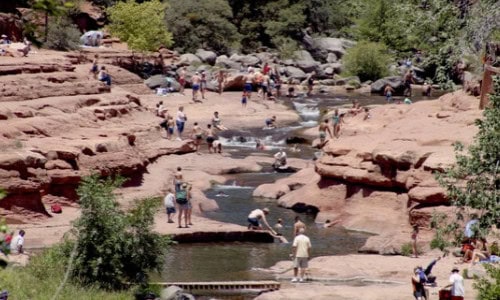
Image credit: (c) Visit Arizona
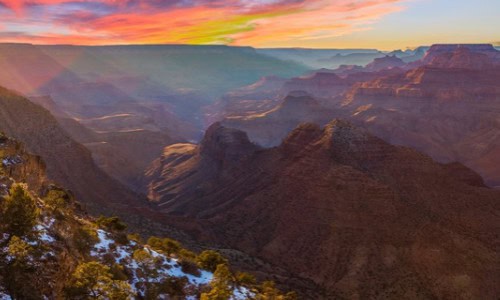
The Grand Canyon is one of the world’s most spectacular natural wonders, carved through layers of ancient rock over millions of years by the Colorado River. Stretching for around 446 kilometres and averaging 1.6 kilometres deep, this is the power of nature at work – on a scale you can really only appreciate by seeing it for yourself.
The South Rim is the most popular and accessible part of Grand Canyon National Park, and we recommend allowing at least two days here to ensure you have time to soak up the scenery, learn about the geology and Indigenous history and explore the landscape. If your budget allows, treat yourself to a scenic helicopter flight over the canyon for a fresh perspective of its mind-boggling scale and beauty.
Must-do activities: watch the sunrise at Mather Point, ride the free shuttle along scenic Hermit Road, treat yourself to a meal at the historic El Tovar Hotel, take in the sunset from Hopi Point. Hermit Road shuttle. The free shuttle (and the closure to private cars) is seasonal, roughly March to November.
Best local hikes:
Grand Canyon Rim Trail
Follow the edge of the canyon, taking in the incredible views without having to overexert yourself. You’ll pass several spectacular viewpoints, and when you decide you’ve walked far enough, you can hop on a free park shuttle bus back to your car.
Length: your choice, maximum 21 kilometres one way
Difficulty: easy, mostly paved, with some sections suitable for wheelchairs and strollers
South Kaibab Trail to Ooh Aah Point
A great option if you’re looking for more of a challenging route, this trail takes you down into the canyon itself and delivers a more up-close perspective of the canyon’s scale and formations. Although you can continue further into the canyon, our recommended turnaround point is a fantastic spot to catch your breath before retracing your steps back to the rim.
Trailhead is reached by free park shuttle only (no private vehicles).
Length: 2.9 km (out and back)
Difficulty: moderate/strenuous, little shade available on the trail
Located just south of the border between Arizona and Utah, Page is the gateway to some of Arizona’s most spectacular landscapes, including Antelope Canyon and Horseshoe Bend. Upper and Lower Antelope Canyon can only be visited on a guided Navajo tour – book well ahead.
Must-do activities: spend a relaxing day boating on beautiful Lake Powell, visit Glen Canyon Dam, explore the famous sandstone slot canyons with a local Navajo guide.
Best local hike: Hanging Garden Trail
A beautiful walk through the desert landscape of Glen Canyon, leading you to a hidden oasis where you’ll find a natural garden of ferns and mosses tucked beneath a sandstone alcove.
Length: 1.6 km (out and back)
Difficulty: easy
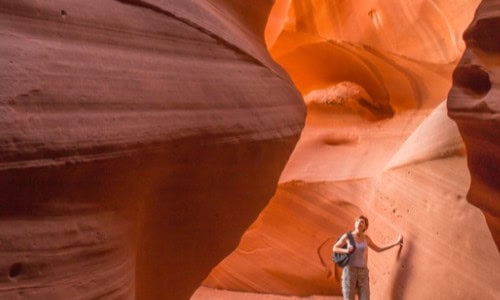
Image credit: (c) Visit Arizona
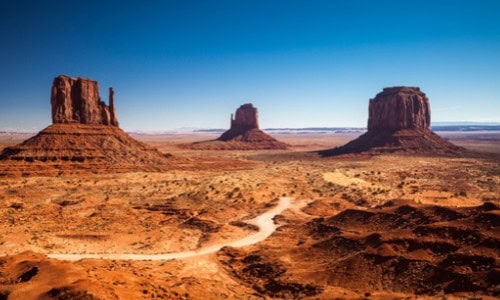
The enormous sandstone formations that give this place its name have featured in countless movies, from Forrest Gump to The Lone Ranger. Located on the Arizona-Utah border, within Navajo Nation lands, the region holds deep spiritual and cultural significance to the people who have lived here for generations.
Must-do activities: explore the famous 17-Mile Drive loop, capture unforgettable views of Merrick Butte and The Mittens, learn about the region’s Indigenous history and culture with a local guide, soak up the incredible night skies.
Best local hike: Wildcat Trail
This is the only self-guided trail you can hike within Monument Valley Navajo Tribal Park. The loop circles West Mitten Butte, giving you an up-close view of the enormous sandstone formation that makes Monument Valley so recognisable.
Length: 6.4 km
Difficulty: moderate
As far as road trips go, they don’t get much more famous than Route 66, and Flagstaff was once a key stopping point along this historic highway that traversed almost 4,000 kilometres between Santa Monica and Chicago. You’ll find the scenic town still celebrates its highway heritage, but it’s just as renowned for its beautiful mountain views and relaxed outdoor atmosphere.
Along the way, make a stop at the historic Cameron Trading Post to shop for Native American arts and crafts, including beautiful Navajo rugs, jewellery and souvenirs.
Must-do activities: explore the fascinating ancient cliff dwellings at Walnut Canyon National Monument, hiking through the towering forests of Ponderosa pines.
Best local hike: Kachina Trail
Located just north of Flagstaff on the southern slopes of the San Francisco Peaks, the Kachina Trail is a beautiful, winding forest hike. It’s a wonderful way to experience Arizona’s alpine scenery, particularly during autumn when the aspens transform into a sea of golden foliage.
Length: 17 km (out and back)
Difficulty: moderate/hard
Wupatki National Monument and Sunset Crater Volcano National Monument
Sunset Crater Wupatki Loop Rd is a scenic 56-kilometre loop that takes you off the highway between Monument Valley and Flagstaff, winding through a breathtaking landscape of red rock, ponderosa pine forest, juniper grasslands and open meadows, along with two incredible landmarks.
The Wupatki National Monument is the site of several ancient Puebloan settlements, the most significant of which is the Wupatki Pueblo. Further along the loop, you’ll find yourself at the Sunset Crater Volcano National Monument, where you can explore an extraordinary volcanic landscape of black lava fields and red volcanic cinder cone.
Allow 45 – 60 minutes of additional driving time, plus time to stop and explore on foot.
With its mind-blowing landscapes, rich cultural heritage and more than a few hidden gems to discover, it’s no wonder that Arizona is one of our favourite US road trip destinations. If you’re ready to dust off your hiking boots and hit the open road, contact one of our personal travel managers and get started on planning your holiday.
TravelManagers respects and honours the Traditional Custodians of the land and pay our respects to their Elders past, present and future. We acknowledge the stories, traditions and culture of Aboriginal and Torres Strait Islander peoples on the lands where we work and gather, and those we visit.
We improve our website, content and services by using Microsoft Clarity to see how visitors use our website. By using our site, you agree that we and Microsoft can collect and use this data. View our Privacy Policy for more details.