

Nihon e yōkoso – welcome to Japan! From its ancient traditions and centuries of rich culture to its ultra-modern cities and breathtaking landscapes, the Land of the Rising Sun is an incredibly rich and rewarding destination to explore. It’s a place of incredible contrasts, where you can be walking down a crowded city street one minute, and finding tranquillity in a temple garden the next.
Whether you’re drawn to its history, cuisine, pop culture or scenery, your time in Japan is sure to feel both wonderfully unique and instantly welcoming. If you are a first-time visitor to Japan, we’ve got the expertise to ensure that you make the most of your experience – and perhaps inspire you to return again and again.
Japan is a nation of more than 14,100 islands, with four main islands: Honshu, Hokkaido, Kyushu and Shikoku. It’s roughly the same size and shape as New Zealand, and its long, narrow shape means there can be a wide variation in climate as you travel from north to south.
The northernmost island, Hokkaido, is renowned for its snowy winters that are paradise for skiers and snowboarders, while the southern islands (Kyushu and Okinawa) enjoy summers that are subtropical in their warmth. Much of the interior is mountainous and clad in forest, and many of the major cities are in the coastal regions.
There is so much to see and experience that for first-time visitors. We recommend following a seven-to-ten-day itinerary (known as the Golden Route), which focuses on the most popular sights and will give you a taste of the real Japan.
Japan’s vibrant capital offers everything you could possibly imagine from a city break, with a few surprises thrown in for good measure! From world-class dining and high-end shopping to incredible art exhibitions and fun street culture, it’s a fascinating blend of ancient and modern, classical and quirky, and each neighbourhood has its own distinct personality.
You can absorb the electric energy of Shibuya and Shinjuku, then step back in time as you explore the streets of Asakusa, and end your day by shopping for the latest trends in Harajuku. There are so many fun and unusual things to see and do, many of which you won’t find anywhere else in the world.
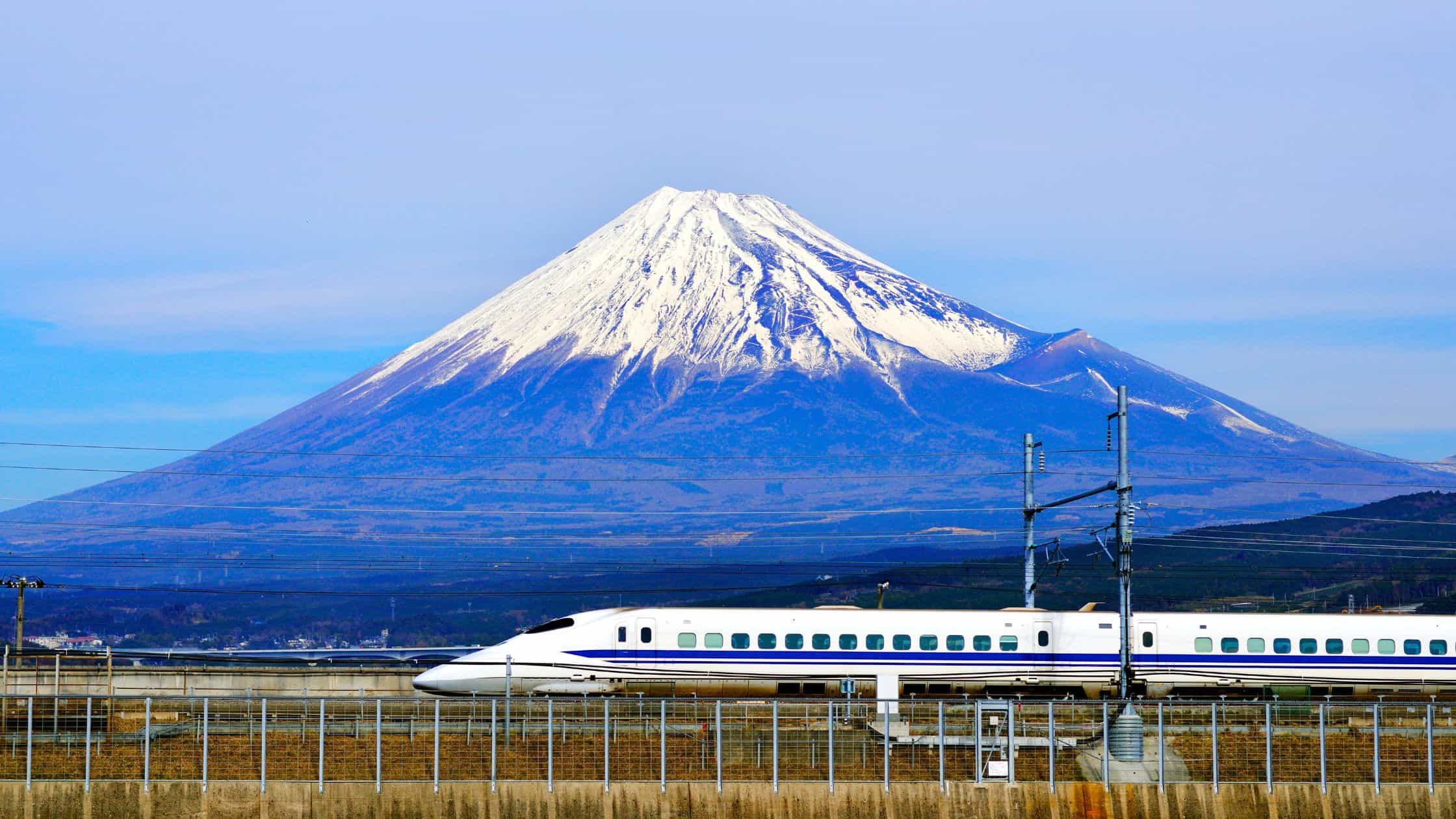
On a clear day, the distinctive shape of Mt Fuji is visible from Tokyo, but seeing it from afar is no substitute for getting up close. If you’re an avid hiker, you will need to allow extra time here if you want to tackle one of the four hiking trails that lead to the summit. It takes around 6-8 hours to ascend, and a further 3-4 hours to descend, and you may prefer to break up your adventure with an overnight stay in a mountain lodge.
However, you can also stick to the shorter, easier trails which are just as scenic, ensuring you have time to soak up the wonders of Five Lakes region. The nearby resort town of Hakone, set on tranquil Lake Ashi, is an ideal base for a memorable stay, offering incredible views of Mt Fuji as well as hot springs and an open-air museum.
The former capital of Japan is considered its cultural and historical heart: a breathtaking wonderland that is spectacular at any time of year, but particularly lovely during spring when the city’s Sakura (cherry trees) are in full bloom. You could spend months here and still not have visited all the city’s thousand-plus temples, so we recommend choosing a handful of the most spectacular, such as the gilded Golden Temple or cascading waterfalls of Kiyomizu-dera.
Kyoto is one of Japan’s most walkable cities. As you stroll through the streets of the historic Gion district, you may spot a graceful geisha or maiko (apprentice) in traditional attire. In the Higashiyama district, you can take a peaceful, canal-side stroll along the two-kilometre Philosopher’s Path, while the famous Arashiyama Bamboo Grove is just a half-hour taxi ride outside the city.
It’s worth taking a brief detour from your journey between Kyoto and Osaka to visit the historic city of Nara, which is renowned for its Buddhist temples and shrines. At its heart, Nara Park is home to Tōdai-ji Temple, where you can marvel at the immense, 15-metre-high bronze statue of Buddha, then introduce yourself to the park’s friendliest inhabitants: a population of free-roaming deer that are always happy to meet a new friend with a handful of deer crackers.
With its bustling shopping and entertainment districts and its incredible culinary scene, Osaka is the perfect place to conclude your novice adventure in Japan. You can explore the rooms and grounds of the towering Osaka Castle, soak up the incredible views from the Umeda Sky Building, and treat yourself to a mouthwatering array of local street food such as takoyaki and okonomiyaki.
You can also add on a day trip to Hiroshima, which is only 90 minutes away by Shinkansen. Must-see sights include the Hiroshima Peace Memorial Park and Museum, the Atomic Bomb Dome, and a ferry ride to see the iconic red gate of Itsukushima Shrine on nearby Miyajima Island. A guided day tour is great way to gain an in-depth understanding of the city’s sights, history and stories.
Japan is a nation of distinct seasons, each more lovely than the last. During the spring months (March to May), the famous cherry blossoms (Sakura) are in bloom, and millions of people, both locals and visitors, flock to the parks and outdoor spaces to enjoy the spectacle. It can be extremely crowded and expensive to visit Japan during the hanami (cherry blossom viewing) season, but it’s a once-in-a-lifetime spectacle.
During the summer months (June to August), it can be very hot and humid, especially in the big cities like Tokyo and Osaka. However, it’s a wonderful time of year to visit if you’re planning to go hiking in Japan’s stunning national parks, or enjoy the beautiful beaches of Okinawa.
From September to November, Japan’s parks and forests put on a stunning autumn display, and the weather is typically mild and settled. Along with cooler temperatures, the air is usually crisp and clear, providing ideal viewing conditions if you’ve always dreamed of seeing Mt Fuji.
Winter in Japan is paradise for snow sports – it offers some of the world’s best skiing and snowboarding, especially if you’re in search of that famous ‘Japow’ powder. There are plenty of winter festivals to choose from, many of them with incredible light displays and illuminations.
You can fly direct from Australia to Japan – the main gateways are Tokyo (Narita) and Osaka (Kansai).
There is an excellent public transport network that makes it easy to explore the cities and around through the country. The cities are very walkable, or you can take advantage of bike sharing facilities using a simple app to unlock your e-bike and be on your way.
If you’re planning to explore Japan by rail, ask your Personal Travel Manager about pre-purchasing a Japan Rail Pass, which can save you a lot of money. When planning your route by rail, be sure to check whether your planned journey is by local train (stopping at every station), express or Shinkansen (bullet train).
The Shinkansen is a thrilling and highly time-effective way to travel relatively long distances. For example, the journey from Tokyo to Kyoto is about 450 kilometres and would take five to six hours by road, vs around 2 hours 15 minutes by Shinkansen. A direct flight might seem faster (around 1.5 hours), until you factor the time taken to get to the airport, check-in times, etc.
Alternatively, talk to your Personal Travel Manager about cruise holidays that explore Japan by sea. It’s a relaxing and affordable way to see a lot of the country without having to pack and unpack at every new destination along the way.
Visa information: Australian passport holders currently can visit as visitors for up to 90 days (as of January 2026), using Japan’s visa exemption scheme. However, we recommend that you ask your personal travel manager for the most up-to-date information, or check with smarttraveller.gov.au.
Time: Japan is on the same time zone year-round: UTC+9. This means it is one hour behind Sydney (two hours during our summer months), one hour behind Brisbane, and one hour ahead of Perth.
Money: the official currency of Japan is the Japanese yen (JPY or ¥). As of January 2026, AU$1 converts to around ¥106.50.
Keeping in touch: as a famously tech-savvy nation, you won’t be surprised to learn that it’s easy to stay connected while travelling in Japan. We advise you to check with your Australian provider about international roaming availability and pricing, or purchase a pre-paid travel SIM to use during your travels. Please be respectful of local etiquette when it comes to using your phone – try to avoid talking on your phone in public places and keep your phone in ‘Manner Mode’ (i.e. silent or vibrate). If you are travelling by Shinkansen (bullet train), there are designated phone-friendly spaces in the vestibules between the cars.
Power: Japan uses a lower voltage than Australia (100V vs 230V), so you will need a voltage converter to use your Australian appliances in Japan (unless your device specifies ‘input: 100-240V, 50/60Hz’). You will also need an adapter that suits A and B outlets.
English is widely spoken in Japan, especially in the main cities, and the Japanese people are obsessive when it comes to making visitors feel welcome. However, if you make the effort to learn and attempt a few basic words and phrases in Japanese, your experience is likely to be even more rich and rewarding:
Hello – konnichiwa
Goodbye – sayonara
Thank you – arigato gozaimasu
Excuse me/sorry – sumimasen
Yes – hai
No – ie
I don’t understand – wakarimasen
Delicious – oishii
Whether you’re wandering through ancient bamboo forests, sampling delicious street food or soaking in a hot spring, you’ll find that Japan offers unique and memorable moments around every corner. If you’re ready to discover the sights, tastes and experiences of Japan, contact your Personal Travel Manager today.
TravelManagers respects and honours the Traditional Custodians of the land and pay our respects to their Elders past, present and future. We acknowledge the stories, traditions and culture of Aboriginal and Torres Strait Islander peoples on the lands where we work and gather, and those we visit.