

A safari holiday is a uniquely moving and thrilling experience that’s packed with incredible wildlife encounters and spectacular landscapes. There’s nothing quite like the thrill of seeing your first herd of elephants, hearing your first big cat or witnessing your first African sunset.
Preparation is everything, but we’ve got you covered with all the insider tips and useful information, so that you can focus on the magic of your first safari holiday.
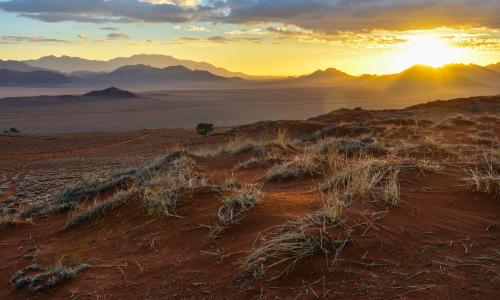
When you picture a safari holiday, there’s a good chance that Africa will be the first destination that springs to mind – and with good reason. You can witness the spectacle of the Great Migration in Kenya’s Masai Mara Reserve, explore the ancient landscapes of Tanzania’s Ngorongoro Crater, or spot hippos in Botswana’s Okavango Delta. Whether you’re climbing the immense, golden dunes of Namibia’s Namib Desert or trekking through Uganda’s cloud forests in search of mountain gorillas, Africa offers some of the world’s most iconic safari experiences.
If you opt for a safari holiday in northern India, you can expect some equally memorable wildlife encounters. Gir National Park is the world’s only natural habitat for Asiatic lions, while Ranthambore National Park in Rajasthan is a haven for Royal Bengal tigers as well as leopards, monkeys and sloth bears.
With Sri Lanka’s incredible biodiversity and compact size, you can be spotting leopards and Asiatic elephants in the morning, and exploring ancient temples in the afternoon. Brazil’s Pantanal region is one of the best places in the world to see jaguars, giant otters and capybaras in the wild, while Australia’s own Kakadu National Park is home to more than 60 species of mammals and 117 species of reptiles.
With such a wide variety of destinations to choose from, the short answer is that any time of year is fabulous for a safari holiday. Peak seasons are centred on the best game-viewing conditions and weather, but you’ll be sharing your safari experience with more tourists.
Eastern and southern Africa: during the long dry season (typically May/June to October), the vegetation is drier and sparser, so it’s often easier to spot game. Clear skies and moderate temperatures make for incredible game viewing conditions, especially as animals tend to be more concentrated around water sources. In Kenya, millions of wildebeest migrate across the Masai Mara from July to October, while in Tanzania, the Great Wildebeest migration across the rivers of the Serengeti is at its most dramatic. In Botswana, the Okavango Delta is at its most spectacular during the dry season (May–October), when floodwaters create vast wetlands teeming with wildlife, while in Namibia, the mild winter temperatures are perfect for scaling the giant dunes of Sossusvlei and game viewing in Etosha National Park.
Uganda – the mountains of Uganda have two dry seasons (June-August and December-February), when conditions are ideal for trekking to see the mountain gorillas.
India – plan your tiger safari for between November and February, when the heavy rains of the monsoon season have ended but the temperatures are still mild.
Brazil – many lodges in the Pantanal close for the wet season (from November to May). September and October are considered peak game-viewing season, but if you don’t want to contend with maximum crowds, temperatures and mosquitoes, we suggest planning your safari for the early dry season (June to August).
Northern Territory – the Top End dry season runs from May to October, bringing mild temperatures, clear skies and minimal rainfall.
In Africa, the key difference between a National Park and a game reserve is ownership: National Parks are usually government-owned and managed while game reserves are typically smaller and privately owned. In many cases, a private game reserve will border a larger national park: for example, in South Africa, Sabi Sands shares an unfenced border with Kruger National Park, and the animals can move freely between the two.
National Parks are typically open to the general public, so as long as you pay the entry fee and stick to the regulations (for example, remain on the roads, adhere to the opening and closing hours), you’re free to explore in your own vehicle and at your own pace.
By contrast, because private game reserves are not open to the public, they tend to have fewer crowds and offer a more intimate style of safari holiday. You can choose from a wide range of accommodation options, from luxury lodges to glamping, and take advantage of guided experiences such as night-time game drives and bush dinners.
Your best option will depend on several factors, including your budget, how much time you have, and which animals you most want to see. Many visitors choose to include both options to ensure that they get the best of both worlds.
As with any holiday destination, your packing decisions should be driven by comfort and convenience. No-one expects you to turn up for your first game drive dressed in full camo gear, but dressing in light-weight, comfortable clothing, ideally in neutral colours, will help you to blend with the landscape. Aim for layering, so that you can be comfortable (and sun-smart) on hot, sunny days, but still be warm enough (and well protected from midges and mosquitoes) if you’re heading out for a night safari. Your footwear should be comfortable, sturdy and closed-toe, and it’s helpful to also pack lighter footwear to wear around your camp or lodge when you’re in relaxation mode.
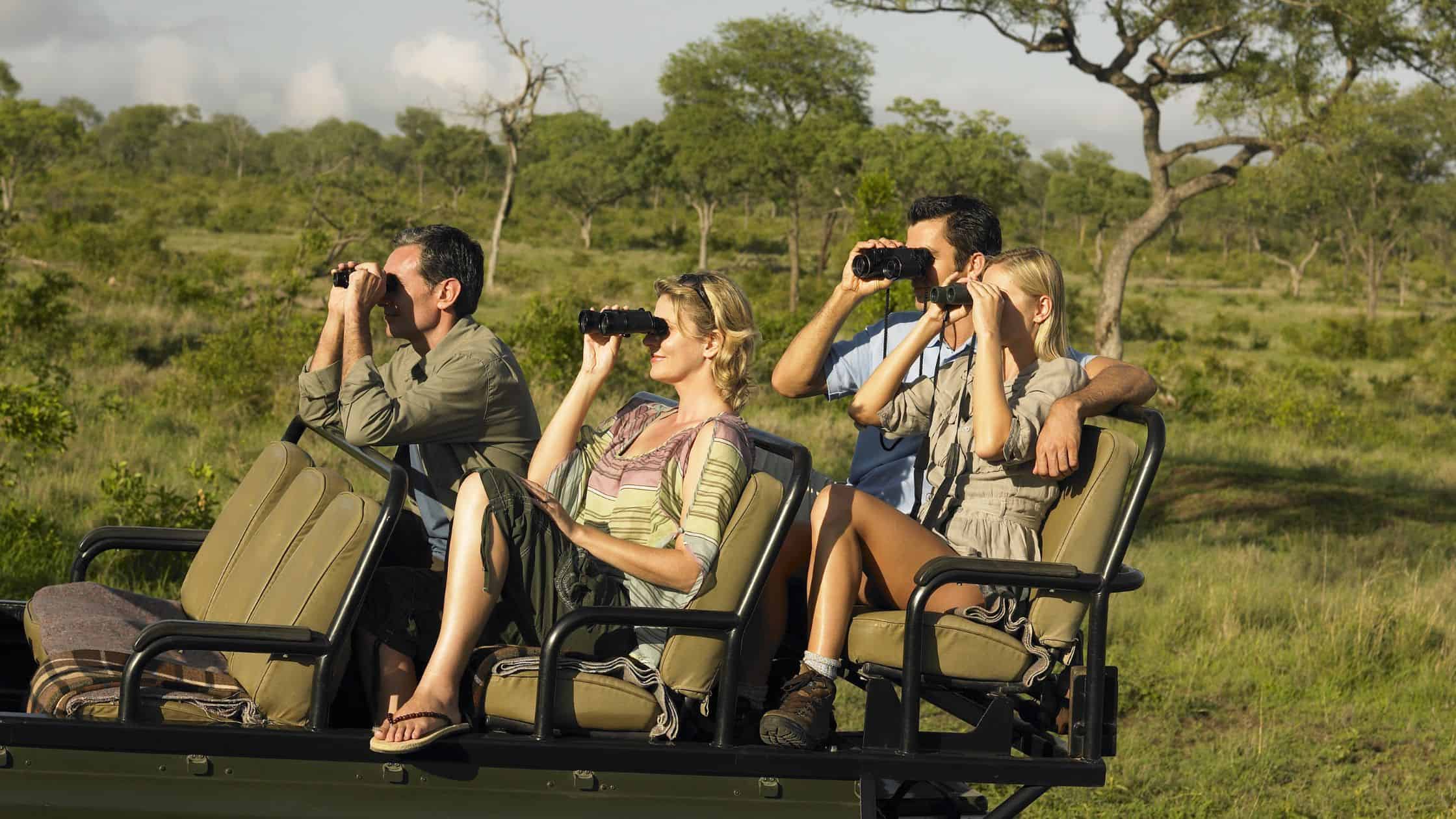
A good camera is essential so you can capture those magical safari moments for posterity, and you might want to pack some form of additional memory storage as well as a power bank or spare batteries. A lightweight pair of binoculars will also greatly enhance your game-viewing experience.
Other handy items to add to your packing list include toiletries, good-quality sunscreen and insect repellent, hand wipes and/or hand sanitiser. Your basic first-aid kit should include any usual medications along with paracetamol, electrolyte sachets, antihistamine pills, Imodium, and some form of antiseptic soothing cream.
Ask your personal travel manager if there are any additional luggage restrictions to consider – for example, if you’re travelling by light plane to reach your safari destination, soft-shell luggage may be required.
Your accommodation options are as diverse as the wildlife you’ll see on your safari, offering every level of comfort from rustic camping to private luxury lodges.
Safari lodges, often built with local timber and stone, are designed to blend into the environment while providing resort-style comfort. You’ll have access to expert local guides, indulge in fabulous cuisine at every meal, and enjoy a daily dip in the infinity pool after a hot and dusty day on the savannah.
A mobile tented camp is the perfect choice if you crave the romance of the classic safari experience, sleeping under canvas while surrounded by the sights, sounds and smells of the wild. The camps are designed to sit lightly on the landscape, moving according to the seasons and availability of game.
For the best of both worlds, consider a stay in a permanent tented camp. You can still enjoy creature comforts like ensuite bathrooms, gourmet dining and comfortable king-sized beds, but with added touches of authentic safari life.
In the Pantanal, your options range from small, family-run pousadas (guest houses) to luxury eco-lodges. If you’re planning to visit Australia’s Kakadu National Park, you’ll find every type of accommodation, from luxury safari lodges to laid-back caravan parks.
As in any unfamiliar destination, there’s a few simple guidelines that will help ensure that you have a safe and enjoyable experience. Start by checking with smartraveller.gov.au or your personal travel manager for the most up-to-date safety information on your destination, and ensure that you have comprehensive travel insurance.
If you’re travelling with a guide, always listen to their advice and instructions, don’t approach wild animals (even if they seem completely harmless), and only leave your vehicle or boat if your guide says it’s safe. Consult a travel doctor or ask your personal travel manager for advice on vaccination requirements in your chosen destination.
If you are planning to visit areas that are prone to outbreaks of mosquito-borne diseases like dengue fever and malaria, one of the best protective measures you can take is to avoid being bitten. Apply DEET-based insect repellent and wear long-sleeved tops and long pants (ideally light-coloured), especially in the evenings when the bitey beasties are at their most ravenous.
Always be mindful of your surroundings, and don’t swim in lakes or rivers unless assured by local experts that it is safe to do so. Keep an eye out for smaller critters, such as scorpions and spiders, which like to hide in dark, quiet places like shoes and bags. Always give your room a quick once-over before settling in for the night, and ask for help if you find any uninvited guests hoping for an unsanctioned sleepover.
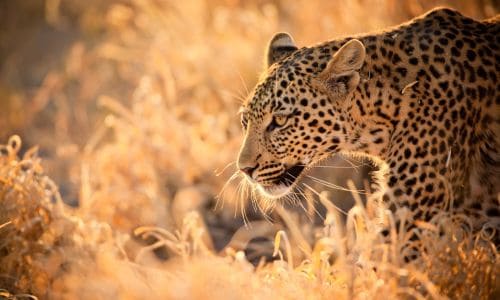
Life on safari is one of those times when the early bird gets the worm, so be prepared to become a morning person if you want to make the most of your experience. Dawn is often the best time of day to see animals at their most active, especially during the hotter months when many species prefer to sleep through the warmest part of the day. You’ll often be out and about well before sunrise so that you’re in the perfect viewing position when the resident wildlife arrives at the waterhole for morning ablutions.
During the day, you’ll have plenty of time to explore the local area. You could visit a nearby village, school or market, or just spend the day relaxing in the spectacular surroundings of your lodge or safari camp.
When night falls, you’ll be on the move again, heading out into the pristine darkness to enjoy the thrill of a night-time game drive. Alternatively, you can spend your evenings swapping stories around a blazing campfire, star gazing or enjoying a cultural performance, before heading to the comfort of your bed to be ready for another early start.
Taking your kids on a safari holiday is one of our favourite ways to earn major parent brownie points, and as long as you take care to plan a holiday that suits your family’s needs, wishes and abilities, you’ll be creating core memories that will last a lifetime.
Look for destinations that offer fun activities and education programmes, and accommodation options that offer facilities like swimming pools and family-friendly dining. As a safety consideration, some safari destinations have restrictions on children’s ages, so ask your personal travel manager about their favourite family safari destinations.
Life on safari doesn’t mean you’ll be existing on a diet of porridge and dried antelope (unless you want to, of course). Many safari camps and game lodges offer a level of fine dining that would rival the best restaurants in Europe, so if you’re a bit of a foodie, you’re in for a treat. They can also provide gourmet picnics to fuel your daily game drive, and know exactly how to elevate campfire cooking to an art form.
You can design a safari holiday that perfectly suits your preferred level of activity. If you’re the sort of person that abhors the idea of being always confined to a vehicle, you can choose a safari location that offered guided walking safaris. If you want to further elevate the element of adventure, you can go horse-riding in the Masai Mara, take a cycling tour through Sri Lanka’s Yala National Park, explore the narrow waterways of the Pantanal by canoe, or treat yourself to a sunrise hot-air balloon ride over the Serengeti.
A safari holiday is the trip of a lifetime, and it’s very reasonable to expect a mind-blowing experience. However, we recommend managing your expectations by keeping in mind that wild animals and weather both operate according to their own whims. There are no guarantees that you will always succeed in seeing every animal on your wish list, but if you focus on soaking up the unique beauty and grandeur of your surroundings, you’ll never be disappointed.
The secret of any great holiday experience lies in knowing where and when to go, how to prepare and what to expect. Your Personal Travel Manager has plenty more tips, insights and inspiration to ensure that your first safari is all that you dreamed of.
TravelManagers respects and honours the Traditional Custodians of the land and pay our respects to their Elders past, present and future. We acknowledge the stories, traditions and culture of Aboriginal and Torres Strait Islander peoples on the lands where we work and gather, and those we visit.