

There are cities you visit, and then there are cities that stay with you long after you leave. New Orleans, or NOLA as locals call it, sits firmly in that category.
For Australian travellers willing to add an extra leg to a US trip, this Louisiana city delivers something few other American destinations can match. Jazz spills from open doorways late into the night, every dish carries centuries of culinary history, and the Mississippi River moves past the city with a scale that makes the Murray feel modest by comparison.
Here is how to spend three near-perfect days in New Orleans.
Start your first morning the only proper way. Order a café au lait and a paper bag of beignets at Café du Monde.
Yes, it is touristy. Yes, the icing sugar will end up all over your clothes. It is still absolutely worth doing.
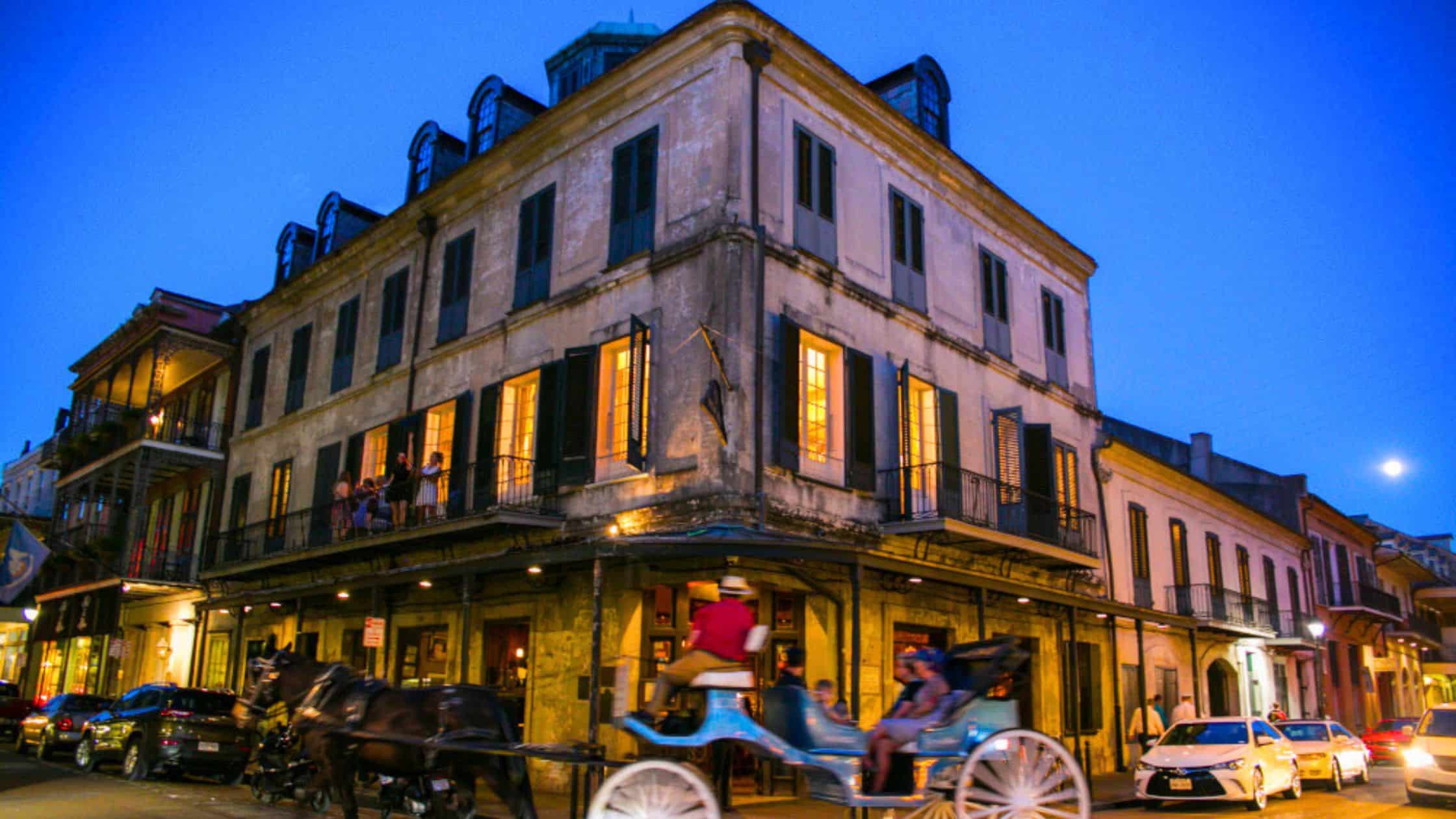
The French Quarter, known locally as the Vieux Carré, is the oldest neighbourhood in the city. French colonists laid out its street grid in the early 1700s, and walking through it still feels like stepping into another era.
A relaxed walk along Royal Street, St. Ann Street and Chartres Street reveals ornate iron balconies, fading pastel walls and buildings that survived the devastating fires of 1788 and 1794.
Stop by the Old Ursuline Convent, built in 1752 and considered the oldest surviving building in the Mississippi Valley. Nearby, St. Louis Cathedral rises above Jackson Square, giving the area a sense of grandeur that somehow feels both unexpected and perfectly fitting.
Food in New Orleans often comes down to one question. Creole or Cajun?
Creole cuisine developed in the city itself. Expect rich sauces and tomato-based dishes such as shrimp Creole or seafood étouffée. Cajun cooking comes from rural Louisiana. It tends to be smokier, spicier and more rustic.
For lunch, head to Dooky Chase’s Restaurant in the Tremé neighbourhood. It is a New Orleans institution where the legendary chef Leah Chase once hosted civil rights leaders and local politicians at the same table.
Order the fried chicken with red beans and rice. It is one of the most beloved dishes in the city.
Skip Bourbon Street on your first night.
Instead, walk about ten minutes to Frenchmen Street in the Marigny neighbourhood. This is where locals go to hear live music.
Several clubs sit along a single block, many with little or no entry fee. Wander between venues such as The Spotted Cat, d.b.a., and Snug Harbor, following whichever band sounds best.
While you are there, order a Sazerac, New Orleans’ signature cocktail made with rye whiskey, absinthe and bitters.
Today focuses on the river that helped shape the city.
French explorers founded New Orleans in 1718 because this section of the Mississippi offered an ideal location for trade. For generations the river carried sugar, cotton, goods and people through the port, helping the city grow into one of the most important commercial centres in the American South.
Seeing the Mississippi from the water gives you a much clearer sense of its scale and importance.
One of the most memorable ways to experience the river is aboard the Steamboat Natchez, an authentic sternwheel steamboat that still operates from the French Quarter waterfront.
The vessel features a working steam-powered calliope, the distinctive whistle-like instrument that once signalled steamboat arrivals along the Mississippi during the nineteenth century.
The two-hour harbour jazz cruise departs from Toulouse Street Wharf near the French Quarter. From the deck you will pass working docks, barge traffic and cranes that remind you the river remains an active commercial artery.
As the boat moves downstream, the New Orleans skyline slowly fades into the distance while the wide brown river stretches far beyond the banks.
A live jazz band performs throughout the cruise, adding a fitting New Orleans soundtrack to the experience.
If you prefer to combine sightseeing with lunch, the daytime cruise includes a Creole-style buffet with dishes such as seafood gumbo. The top deck offers the best views across the river and port.
After returning to shore, head to the National WWII Museum, located a short ride from the riverfront.
Even travellers who normally skip museums tend to be impressed by this one. It is widely regarded as one of the finest museums in the United States.
New Orleans was chosen as its home because Higgins Industries, the company that built the landing craft used during the D-Day invasion, operated here during the war.
The museum is extensive and deeply engaging, combining personal stories, historic artefacts and immersive exhibits that explain the scale of the conflict.
Tremé is the oldest African American neighbourhood in the United States and widely considered the birthplace of jazz.
It feels quieter and less polished than the French Quarter, which is part of its character.
The Backstreet Cultural Museum on St. Claude Avenue offers a fascinating look at New Orleans’ Black cultural traditions. Exhibits explore the Mardi Gras Indians, Social Aid and Pleasure Clubs, and the elaborate jazz funeral processions that remain part of the city’s identity.
The handmade Mardi Gras Indian suits displayed here are extraordinary. Many take an entire year to complete.
Catch the St. Charles streetcar, one of the oldest continuously operating street railways in the world, and ride uptown to the Garden District.
Here you will find grand nineteenth-century mansions shaded by enormous oak trees whose roots push up through the pavement. The architecture leans toward classic Southern style, with wide verandahs, tall columns and gardens hidden behind wrought-iron gates.
For your farewell lunch, book a table at Commander’s Palace. Dining here feels like a New Orleans rite of passage.
The restaurant has helped launch some of the most influential chefs in American cooking, including Emeril Lagasse and Paul Prudhomme.
Order the turtle soup, followed by the famous bread pudding soufflé. If you visit on a weekday, you can also enjoy the legendary 25-cent martinis at lunch.
Return to the French Quarter as the sun begins to set.
Find a balcony bar, order something cold and listen to whatever music drifts up from the street below. Few cities make it as easy to slow down and simply enjoy the atmosphere.
New Orleans has a habit of making visitors feel slightly reluctant to leave. It also leaves most people quietly planning their return.
There are no direct flights from Australia to New Orleans. Most travellers connect through Los Angeles or Dallas, with total travel time usually between 20 and 24 hours from Sydney or Melbourne.
United Airlines, American Airlines and Qantas all service these routes.
The best time to visit is October through April, when temperatures generally range between 15°C and 25°C and humidity is lower.
July and August can be extremely hot and humid. Mardi Gras, held in February or March, is spectacular but accommodation often books out six to twelve months in advance.
Yes. Three days allows enough time to explore the French Quarter, enjoy authentic Creole cuisine, hear live jazz and experience the Mississippi River. It offers a well-rounded introduction to the city.
The best time to visit is October through April, when temperatures generally range between 15°C and 25°C and humidity is lower.
July and August can be extremely hot and humid. Mardi Gras, held in February or March, is spectacular but accommodation often books out six to twelve months in advance.
The French Quarter is the most popular area for visitors thanks to its historic architecture, live music venues, restaurants and easy access to many major attractions.
If you’re ready to book your New Orleans adventure, get in touch with your Personal Travel Manager.
TravelManagers respects and honours the Traditional Custodians of the land and pay our respects to their Elders past, present and future. We acknowledge the stories, traditions and culture of Aboriginal and Torres Strait Islander peoples on the lands where we work and gather, and those we visit.