

The protected spaces of Europe’s 549 national parks showcase the continent at its most spectacular, making it easy for you to take time out from the real world, slow down and catch your breath. We’ve handpicked nine of the most beautiful and fascinating national parks in Europe, each of them featuring incredible flora and fauna, rich history and culture, and endless opportunities to lose yourself in the beauty of nature.
Founded in 1914, this is one of the oldest national parks in Europe, and covers 170 square kilometres of breathtaking mountain terrain in eastern Switzerland’s Graubünden Canton. There are more than 100 kilometres of marked alpine trails to explore within the park, which are typically open from mid-May to mid-November (subject to local conditions).
You won’t have to worry about any entrance fees to explore the park, as access is free during the hiking season. However, you are expected to adhere to the strict safety guidelines, which you can brush up on at the excellent visitors’ centre, located in the pretty town of Zernez which serves as the gateway to the national park.
Set on the south coast of France between Marseille and Toulon, this national park extends over 520 square kilometres, the vast majority of which is a marine area. It gets its name from its distinctive landscape of steep limestone inlets (calanques), where towering white cliffs plunge straight into a vibrant blue sea.
It’s a popular destination for hiking and climbing, but we think the best way to explore its hidden coves is from the water. From the nearby town of Cassis, you can hire a kayak and explore at your own pace, or you can learn about the local geology and wildlife during a guided kayaking tour.
You will need to make a free reservation if you are planning to visit the park during the peak summer season (late June to early September), but we prefer to visit during the less crowded shoulder season (April to early June or early September to October), when the weather is warm and settled.
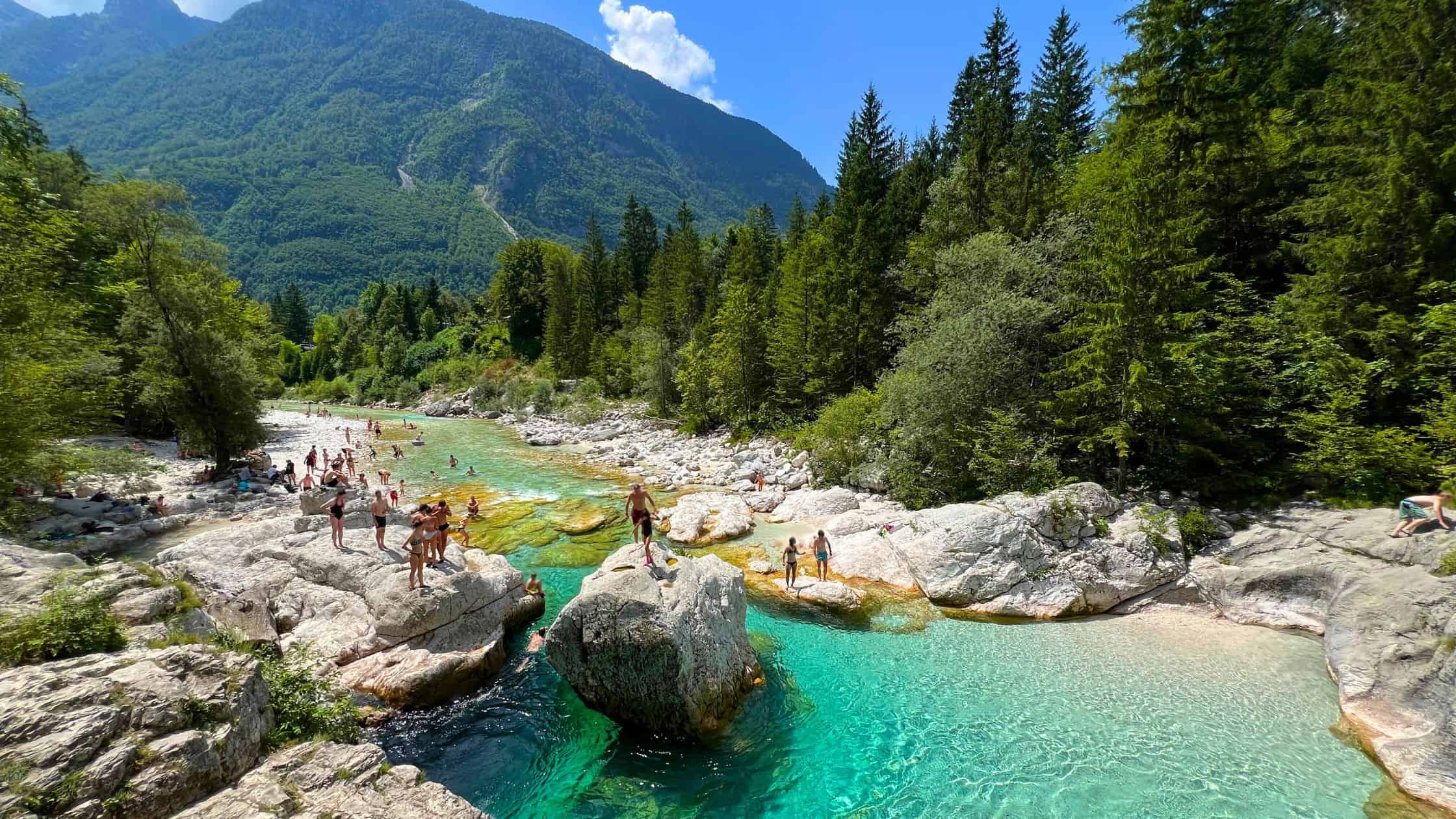
Slovenia may only have the one national park, but it’s absolutely spectacular. It incorporates 880 square kilometres of the Julian Alps, offering a landscape of towering limestone peaks, tranquil lakes and delicate alpine meadows. The Soča River, which winds through the park for more than 60 kilometres, is renowned for its striking emerald-turquoise colour – best enjoyed while hiking along its banks or on a thrilling rafting expedition.
Peak visitor season is late June to early September, especially if you’re planning to explore the higher reaches of the park, but spring and autumn are equally spectacular if you stick to the lower valleys. You don’t need a permit to explore the park, but you should expect to pay for parking if you are planning to visit extremely popular sites such as Vintgar Gorge.
Croatia’s best-known national park is one of the most iconic landscapes in Europe: a collection of sixteen terraced lakes, connected by more than 90 waterfalls. The lakes’ vibrant colour shifts from turquoise to milky green depending on local conditions, and if you venture further into the park (which covers a total of 296 square kilometres), you’ll find yourself in a fairytale landscape of dense beech and pine forest.
The UNESCO World Heritage-listed park’s unique and delicate ecosystem is carefully protected by strict conservation rules, with visitor numbers carefully controlled via a permit system. You can buy your permit online a minimum of two days prior to your visit, but we recommend booking well in advance if you are planning to explore during the peak season (1 June – 30 September).
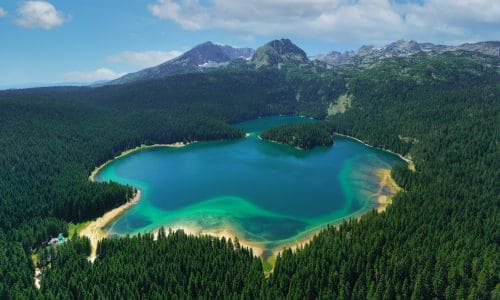
Despite being one of the smaller nations in Europe by size, Montenegro has five beautiful national parks, including the stunning, UNESCO World Heritage-listed Durmitor National Park. Tucked away in the northwest corner of the country, just across the border from Bosnia and Herzegovina, it’s a stunning 390 square kilometre landscape of rugged peaks, pine forests and lakes.
The park’s closest town, Žabljak, is renowned as a winter ski resort, but most travellers prefer to visit during the summer season (July to August), when you can go hiking, mountain biking, rafting and swimming in pristine alpine lakes. Tickets are required to enter the park – you can buy them online or from the Visitor Centre, which is located a stone’s throw from the tranquil Black Lake.
Iceland’s largest national park was established in 2008 and extended in 2019, creating a total protected area of almost 15,000 square kilometres. It contains Europe’s largest glacier (also called Vatnajökull) outside of the Arctic, but there is much more to the park besides ice and snow.
In fact, its variety of geographical features is one of the key reasons for its UNESCO World Heritage status: you’ll find an immense highland plateau of glacial rivers and thundering waterfalls in the north, broad areas of wetland in the east, and regions of geothermal and volcanic activity throughout the park.
Entry to the park is free, but you will be required to pay for parking and camping within its expansive terrain. Although summer (June to August) is considered the best time of year to visit if you want to go hiking, the winter season (November to March) is just as spectacular – especially if you want to see the Northern Lights and go ice-caving.
First established in 1918 and then expanded to its current 156 square kilometres in 1982, the park was created to protect its unique landscape of limestone caves, karsts and sinkholes. It’s located in the Spanish Pyrenees and shares a boundary with the neighbouring Parc National des Pyrénées on the French side.
The park is paradise for hiking, and features iconic but very achievable trails such as Cola de Caballo (Horsetail Waterfall) and Añisclo Canyon. It’s open year-round and no permits are required, but you will need to book your seat on the mandatory shuttle service that operates from the village of Torla-Ordesa from June to October and on busy weekends during the shoulder season.
Don’t be deterred by the ominous sounding name, which was given by the ancient Romans who were awestruck by the region’s dense, dark forests. In reality, this is one of the most scenic regions in Germany, sprinkled with pretty villages of half-timbered houses like Gengenbach and historic spa towns like Baden-Baden.
Unlike some of Europe’s more remote national parks, the Black Forest is easy to explore by car, by bicycle and even by train, with no permits needed. It’s spectacular at any time of year, but our favourite month to visit the Black Forest is December, when you can get into the festive spirit by browsing the region’s famous Weihnachtsmärkte (Christmas markets) for handmade gifts, ideally with a steaming cup of Glühwein in hand.
The Dolomites are an immense range of rocky peaks that separate northern Italy from Austria. In 1990, a 1,500 square kilometre section of the mountains was given National Park status to protect its unique natural, historical, geological and environmental values. Visitors flock to the region year-round to enjoy incredible hiking, climbing, horse-riding and cycling during the spring, summer and autumn months, and skiing and snow-shoeing during the winter.
There are six alpine rifugios (basic alpine huts) located within the park which provide basic accommodation for summer hikers, but there is also a variety of guesthouses in impossibly scenic locations if you prefer a more refined base for your adventures. General access to the park is free for visitors, as long as you follow the usual ‘Leave No Trace’ principles that apply to all national parks.
From wild mountain ranges to pristine marine environments; from dramatic volcanic landscapes to tranquil forests, Europe’s national parks have something for everyone. This is just a small selection of our favourites, but with 549 in total just waiting for you to discover them, our Personal Travel Managers can help you to decide which one is at the top of your bucket list.
What is the best time to visit national parks in Europe?
The best time depends on the destination. To avoid crowds, visiting in early autumn can be a good option because it’s ideal for warmer weather, longer daylight hours, and the hiking trails are accessible, while winter visits can be beautiful but may limit access in alpine regions.
What should you pack for visiting a European national park?
Essentials include weather-appropriate clothing, water bottles, sunscreen, travel insurance, and proper hiking shoes or walking shoes. Mountain regions require layered clothing due to varied conditions.
Do I need to pay an entry fee for Europe’s National Parks?
Entry policies vary significantly across the continent. While many parks, such as the Black Forest, Germany are free to enter, others like Plitvice Lakes, Croatia, require a ticket, especially during peak seasons. Always check the park’s official website or consult your Personal Travel Manager to pre-book.
TravelManagers respects and honours the Traditional Custodians of the land and pay our respects to their Elders past, present and future. We acknowledge the stories, traditions and culture of Aboriginal and Torres Strait Islander peoples on the lands where we work and gather, and those we visit.