
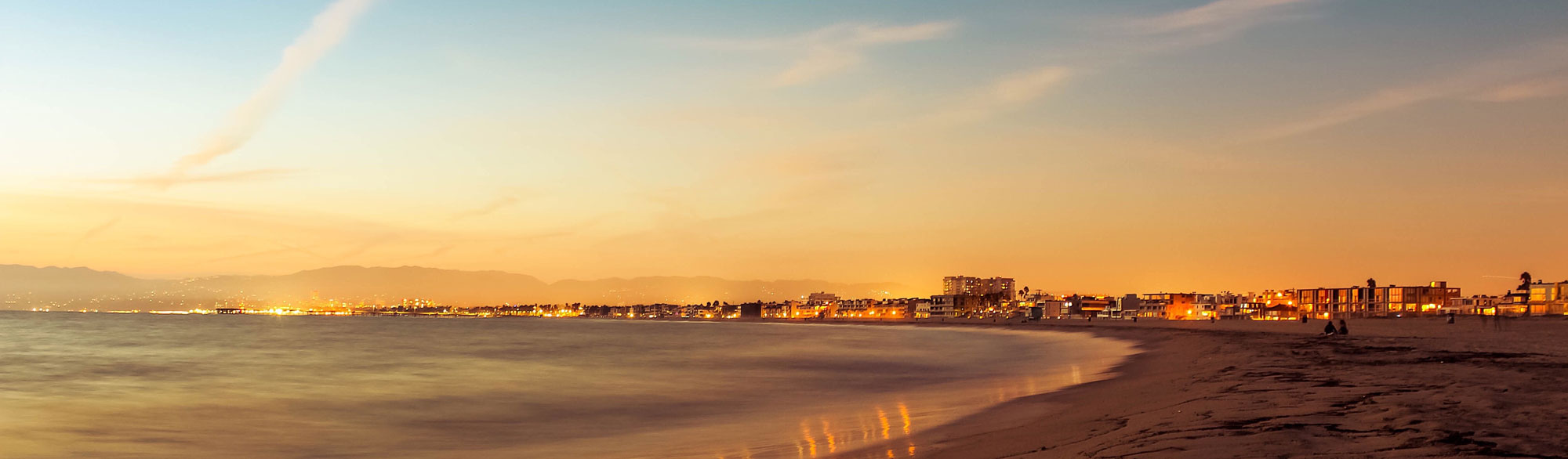

Have you even seen the real France if you haven’t visited at least one of its exceptional wine regions? From the rolling hills and postcard-pretty towns of Alsace in the north to the steeply terraced vineyards and island climate of Corsica, each wine region has its own distinct personality that complements the unique characteristics of its local wines.
An estimated 36 million people visit the wine regions of Europe annually, with around 10-12 million visitors choosing France for their viticultural vacation. If you’d love to plan your own oenological (wine and wine-making) adventure, this is our travellers’ guide to the great wine areas of France.
In total, France produces between seven and eight billion bottles of wine per year, with more than 3,000 officially recognised wines made from more than two hundred varieties of grapes – if you were to try a different wine every day, it would take you more than eight years to try them all!
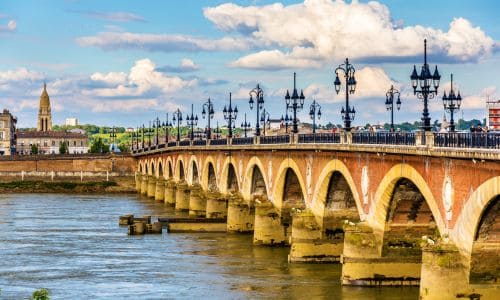
Centred on the Garonne and Dordogne Rivers and the southern city of Bordeaux, this is one of France’s most famous and influential wine regions. The first vines were planted more than two thousand years ago by the Romans, setting the scene for some of the world’s most beloved Merlot, Cabernet Sauvignon and Sauternes.
The Bordeaux region’s compact size makes it easy to experience all the main highlights, and the relatively flat landscape is perfect if you prefer to get around on two wheels. Explore the cobbled streets and underground wine caves of UNESCO World Heritage listed Saint-Émilion, treated yourself to a wine pairing dinner that showcases the best local cuisine, and take a guided tour through the legendary cellars of Château Mouton Rothschild.
Hop on a train from Paris, and you’ll be in Burgundy (Bourgogne in French) wine country less than two hours later. Wine aficionados know that this region is all about terroir, tradition and an almost fanatical dedication to craftmanship. Cellar tastings are an opportunity to enjoy a more intimate, personalised style of wine appreciation, with exquisite Chardonnays, Pinot Noirs and Chablis taking centre stage.
The scenery is breathtakingly lush and green, with rolling rows of vines stretching as far as the eye can see. The city of Dijon is the perfect base to launch your Burgundy wine adventure, especially if you’re planning to explore the 37 picturesque wine villages that line the iconic Route des Grands Crus.
It’s an easy day trip from Paris to explore the birthplace of the world’s favourite celebratory tipple, which is located just over an hour’s drive northeast of the French capital. The historic city of Reims stands at the centre of the Champagne region, and it’s well worth a visit – not just for the major Champagne houses like Veuve Clicquot and Taittinger, but also to marvel at its elegant cathedral.
More iconic Champagne houses line the Avenue de Champagne in the pretty town of Épernay, where you can take a tour of the cellars before sampling a selection of Grand Vintage cuvées. You can also venture far beneath the ground to experience the famous chalk caves and tunnels known as crayères, now treasured as underground cellars thanks to their perfect combination of humidity, temperature and darkness.
Within France, unique local production techniques and terroir are defined and protected by Appellation d’Origine Controllée (AOC) designations. The Loire Valley wine region is one of the largest in France, containing close to ninety distinct AOC appellations including the world-renowned Sancerre and Pouilly-Fumé.
When you’re not quaffing crisp whites or venturing into centuries-old wine cellars that have been carved directly into the local limestone, you can explore the region’s fairytale landscape of forested hillsides and fairytale châteaux like Chenonceau, Chambord and Amboise.
This picturesque region of northeast France occupies a narrow strip of land between the scenic Vosges Mountains and the Rhine River. As a wine region, it shares many characteristics with its German counterpart across the river – especially the world-renowned Rieslings and Gewürztraminer varieties.
Scattered throughout the rolling, vineyard-clad foothills, you’ll find picturesque medieval towns like Strasbourg and Colmar, where cobbled streets and tranquil canals are lined with pastel-coloured, half-timbered houses. Hire a car or e-bike and explore at your own pace, following the 170-kilometre Route des Vins d’Alsace (Wine Route of Alsace).
The Languedoc-Roussillon region in southern France has a wine-growing heritage that dates from the fifth century BCE, when early Greeks planted the first vines near the historic port city of Narbonne. Today, it produces more wine than any other single region in the world, much of it vin ordinaire (table wine) rather than a specific AOC designation.
It’s a region of incredibly beautiful and varied scenery. In a single day, you can roam from the sandy beaches and turquoise waters of the Mediterranean coastline to ancient hilltop towns like Castelnou and Minerve, and finish by viewing a spectacular Pyrenean sunset in the village of Eus.
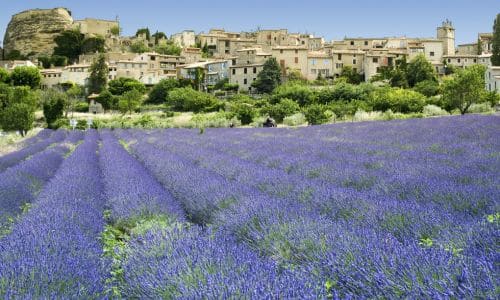
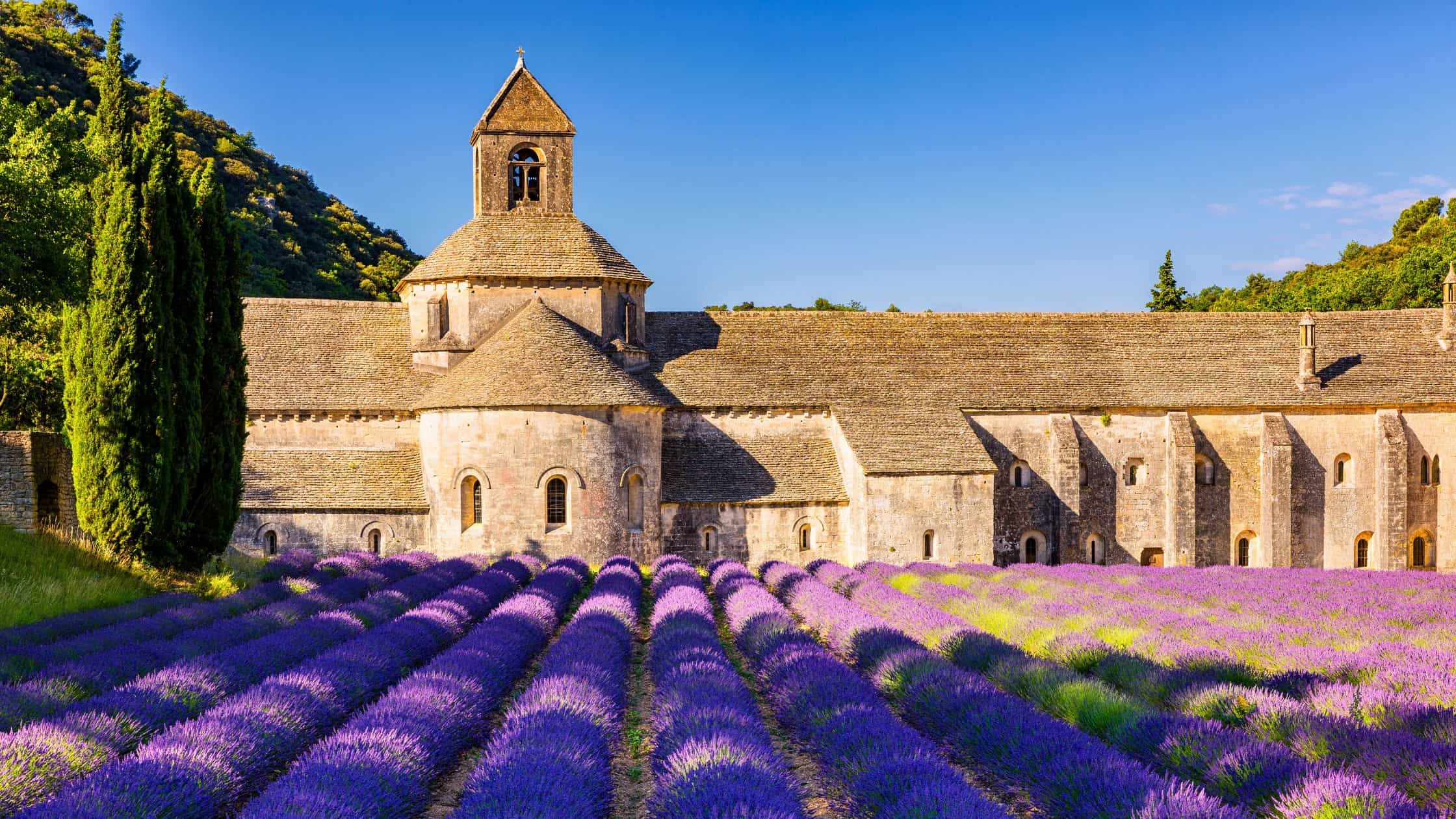
The neighbouring region of Provence shares many of the same geographical features as Languedoc-Roussillon, from its semi-arid climate to its pristine Mediterranean beaches and dramatic mountain ranges. The combination of generous sunshine and limited rainfall provide idyllic conditions for producing blush-pink rosé wines, which we think are best enjoyed lightly chilled as the centrepiece of a picnic in a local lavender field.
However, if you’re participating in the Provençal region’s preferred sport of Pétanque, you’ll find that the customary apéritif to accompany this deceptively competitive pastime is pastis. The aniseed-flavoured tipple is traditionally diluted with water, which turns it from a deep amber colour to a milky soft yellow.
With its mountainous interior and vertiginous coastline, Corsica is a haven of micro-climates that are ideal for producing a variety of red and white wines. It’s closer to Italy than France, which means that much of its wine-making tradition is infused with Italian varieties and techniques. However, despite its compact size, you’ll find nine distinct AOC designations on the island, from the red and rosé wines of the Patrimonio region in the north, to the full-bodied reds produced near the Corsican capital of Ajaccio.
If you’re a serious hiker, you can work up a thirst by walking a section of the notoriously challenging G20 trail which traverses the island from northwest to southeast. If you prefer a more relaxed approach, we recommend exploring the spectacular citadel of Bonifacio, where you can enjoy your local wine while soaking up the clifftop views across the Mediterranean to distant Sardinia.
Following the route of the Rhône River as it flows 250 kilometres southwards from Vienne (near Lyon) to Luberon (near Avignon), the Rhone Valley is another of France’s most well-known wine regions. The vineyards of Northern Rhône are renowned for the red wines produced from Syrah grapes, whereas the Southern Rhône is where you will find revered blends like the Châteauneuf-du-Pape appellation.
The city of Lyon is often referred to as the food capital of France, making the region a dream destination if you love to enjoy fabulous wines paired with mouthwatering cuisine. We recommend a slow-cooked savoury beef stew paired with a peppery Côte-Rôtie, or a chicken and tarragon pie paired with a peachy Viognier.
Nestled between Bordeaux and the Pyrenees mountains, the Sud-Ouest is one of France’s more boutique wine regions. From Bergerac in the north to Irouléguy in the French Baque region that borders Spain, you’ll find an assortment of wines made from local varieties that are unique to the region.
It’s a region of mountains and rivers, medieval villages and picturesque market towns, perfect for picking up a selection of cheeses, fruits and charcuterie to accompany your wine selection. A tranquil canoe trip along the Dordogne River is one of our favourite ways to soak up the incredible scenery of castles, cliffs and countryside.
The best time of year will depend on your preferred bucket list experiences. If you want to drink rose amidst the lavender fields of Provence, you should plan your visit for somewhere between late June and early August. The summer months offer lush green scenery and warm, settled weather, but you may prefer the spring months if you want a quieter, more relaxed experience. For many wine-lovers, autumn is the only time of year to visit France. From September to October, harvest season (vendanges) is in full-swing, and the endless rows of vines transform from vibrant green to brilliant hues of red and gold.
The beauty of a holiday in one of France’s wine regions is that there is truly an accommodation option to suit every taste and budget. You can treat yourself to a luxury stay in a historic château hotels or boutique inn, or indulge in authentic local culinary traditions while staying in a gîte (holiday apartment) or chambre d’hôte (B&B). For the ultimate in immersive wine experiences, you can even stay on a working wine estate.
Although your packing list will be influenced by what time of year you choose to visit, you’ll definitely need comfortable walking shoes so you can safely navigate the rows of vines and cobbled cellar floors. The dress code is best described as ‘elevated casual,’ so you should aim for relaxed but polished – linen shirts, summer maxi dresses, a lightweight jacket or blazer for cooler evenings. Add a shawl or scarf that can be used as a lightweight warm layer, plus a lightweight raincoat to protect you from unexpected showers.
With all the wine-tasting you’ll be doing, you’ll need to stay hydrated, so be sure to pack a refillable water bottle, along with sunhat, sunscreen and sunglasses. Take a stylish backpack or crossbody bag to contain everything you’ll need for a fun day in the vines, and consider packing a notebook and pen so you can keep a record of your favourite wines.
Exploring the wine regions of France is about the entire experience – long lunches in village squares, sunset views over the vineyards, and long conversations with like-minded wine aficionados. To start planning your French wine escape, contact your nearest Personal Travel Manager and let us help you design the perfect vine-hopping itinerary.
TravelManagers respects and honours the Traditional Custodians of the land and pay our respects to their Elders past, present and future. We acknowledge the stories, traditions and culture of Aboriginal and Torres Strait Islander peoples on the lands where we work and gather, and those we visit.
We improve our website, content and services by using Microsoft Clarity to see how visitors use our website. By using our site, you agree that we and Microsoft can collect and use this data. View our Privacy Policy for more details.