



Sponsored by Tourism New Zealand
From otherworldly volcanic plateaus and ancient rainforests to glacier-carved valleys and wild coastal headlands, hiking in Aotearoa New Zealand is one of the most captivating ways to experience the country.
With thousands of kilometres of marked tracks, walking and hiking options range from gentle nature trails for every ability, to world-class Great Walks and multi-day hikes. Visitors can experience native forests, picture-perfect views and cheeky wildlife. Speaking of wildlife, New Zealand has no snakes or large predators, meaning visitors can focus on the scenery, rather than worrying about dangerous animals.
Great Walks are often described as the ‘bucket-list’ hikes of New Zealand. There are 11 throughout the country – renowned internationally for their scenery, infrastructure and cultural significance. The Great Walks are maintained by the Department of Conservation (DOC). Accommodation along the routes varies from luxury lodges to basic DOC huts and campsites and all need to be booked well in advance. Your personal travel manager will be able to arrange transport and gear hire with tour operators if needed.
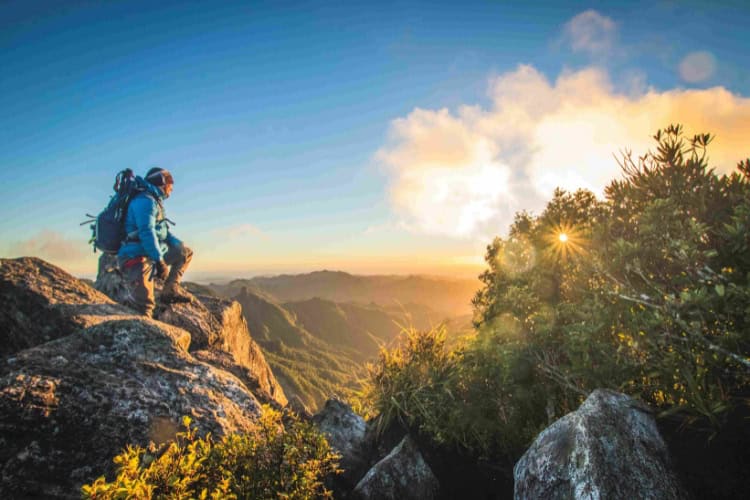
The Pinnacles – Coromandel
16km | 1 – 2 days | Intermediate
Rich in early mining history, the Pinnacles Track climbs through native forest to dramatic rocky outcrops with expansive Coromandel views. The walk can be completed in a day (approximately 8 hours), however, we recommend hikers book a stay at Pinnacles Hut and experience an unforgettable sunrise from the summit.
Abel Tasman Coast Track – Nelson Tasman
60km | 3 – 5 days | Intermediate
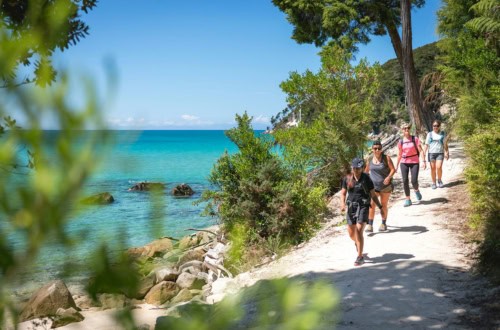
With gentle terrain and water-taxi access at many points throughout, it’s one of the most approachable multi-day hikes and ideal for first-time Great Walk hikers. There is also the option to include kayaking in this hike.
Milford Track – Fiordland
53.5km | 4 days | Intermediate
Arguably New Zealand’s most famous Great Walk, the Milford Track travels through Fiordland National Park, a World Heritage Area. Once called the ‘finest walk in the world’ it begins with a scenic boat trip across Lake Te Anau and ends a short distance from iconic Milford Sound.
Te Whara Track – Northland
7.5km one way | 5 – 6 hours | Moderate
A challenging but rewarding coastal forest track that involves steep climbs that result in epic ocean views across the Pacific Ocean. It’s best suited to confident walkers and delivers a real sense of wilderness even though you’re not far from town.
Tama Lakes Track – Ruapehu
17.6km | 5 – 6 hours | Moderate
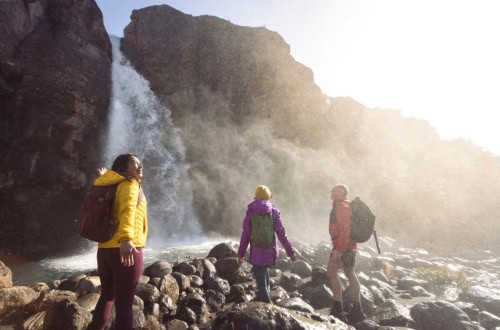
A fantastic alternative to the Tongariro Alpine Crossing, backdropped by both Mount Ruapehu and Mount Ngauruhoe. The track passes the thundering Taranaki Falls and crosses undulating tussock country and alpine herb fields before reaching the two pristine lakes.
Kaikōura Peninsula Walkway – Kaikōura
11.7km | 3 hours | Easy to Moderate
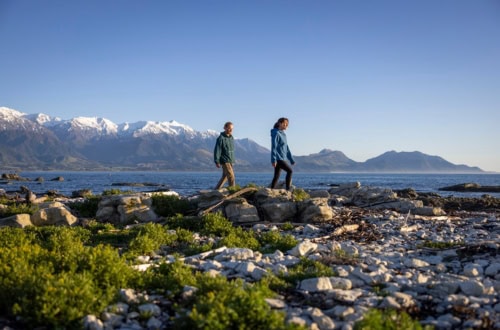
A coastal loop with dramatic clifftop views, seabirds overhead and frequent seal sightings along the shoreline. It starts and finishes in town, making it ideal for travellers short on time, who still want a memorable outdoor experience.
Q. When is the best time to go hiking in New Zealand?
A. Most trails, except those in alpine areas, can be walked year-round. The best time to go hiking is usually October to April, when weather conditions are typically milder, which also coincides with the Great Walks season.
Q. Do I need permits or bookings to hike?
A. Most walks do not require a permit, but some hikes have paid parking at the trailheads. It is a good idea to check in with your local isite (tourism information centre) or DOC visitor centre before your hike for expert advice.
Q. Are tracks well marked?
A. Yes, most tracks are clearly signposted and maintained, especially popular routes.
Q. Is hiking safe in New Zealand?
A. Yes, hiking is generally safe if you are prepared and stay within your limits. Weather and terrain are the main risks. Always check the forecast, New Zealand weather can change quickly. Choose walks suited to your fitness and experience levels, if unsure, check in with your local visitor centre.
Q. Are there dangerous animals?
A. No, New Zealand has no snakes or large predators. The hazards are primarily environmental.
Q. What should I pack?
A. You should pack good footwear, waterproof clothing, warm layers, food, water, and sun protection. An emergency locator beacon is also recommended and can be hired from major towns. For further information and inspiration, check the DOC website.
Q. Can beginners do multi-day hikes?
A. Yes, beginners can successfully complete Great Walks with proper planning and preparation. For beginners, or those wanting to learn more about the region, a guide can bring the track to life with local knowledge.
Q. Can I hike independently?
A. Yes, most visitors hike independently, however speak to your personal travel manager for guided options which provide added ease and local knowledge.
Q. Where can I find out more information?
A. You can find out more information on Tourism New Zealand’s dedicated walking and hiking section of their website. Check DOC’s website for up to date information on track closures.
Ready to witness the beauty of New Zealand on a hiking trip of your own? Check out some of our top treks here.
TravelManagers respects and honours the Traditional Custodians of the land and pay our respects to their Elders past, present and future. We acknowledge the stories, traditions and culture of Aboriginal and Torres Strait Islander peoples on the lands where we work and gather, and those we visit.
We improve our website, content and services by using Microsoft Clarity to see how visitors use our website. By using our site, you agree that we and Microsoft can collect and use this data. View our Privacy Policy for more details.